Researching laser eye surgery in 2026 can feel surprisingly confusing. Patients are often presented with a long list of procedure names, technologies and clinic promises, but not always a clear explanation of what actually matters for their eyes.
The reality is that many modern treatments are built around the same core principle: reshaping the cornea to improve how light focuses inside the eye. While procedures such as PRK/LASEK and ReLEx SMILE remain important options, LASIK continues to be one of the most widely performed and refined forms of vision correction worldwide.
At London Vision Clinic, modern LASIK is approached very differently to the standardised treatments many patients imagine. Advanced diagnostic mapping, personalised treatment planning and highly specialised surgical techniques allow today’s procedures to be tailored around the unique structure of each eye, helping many patients achieve sharper, more natural vision with rapid recovery times.
How Does LASIK Laser Eye Surgery Work?
At the centre of laser eye surgery is one simple idea: improving the way light enters the eye by reshaping the cornea. The cornea is the clear front surface of the eye, and even small changes to its shape can make a major difference to how accurately light focuses on the retina.
Earlier surface laser procedures involved removing the corneal epithelium to access the tissue beneath. This approach is still used in selected cases today, particularly with PRK/LASEK, but LASIK changed the experience of laser vision correction for many patients.
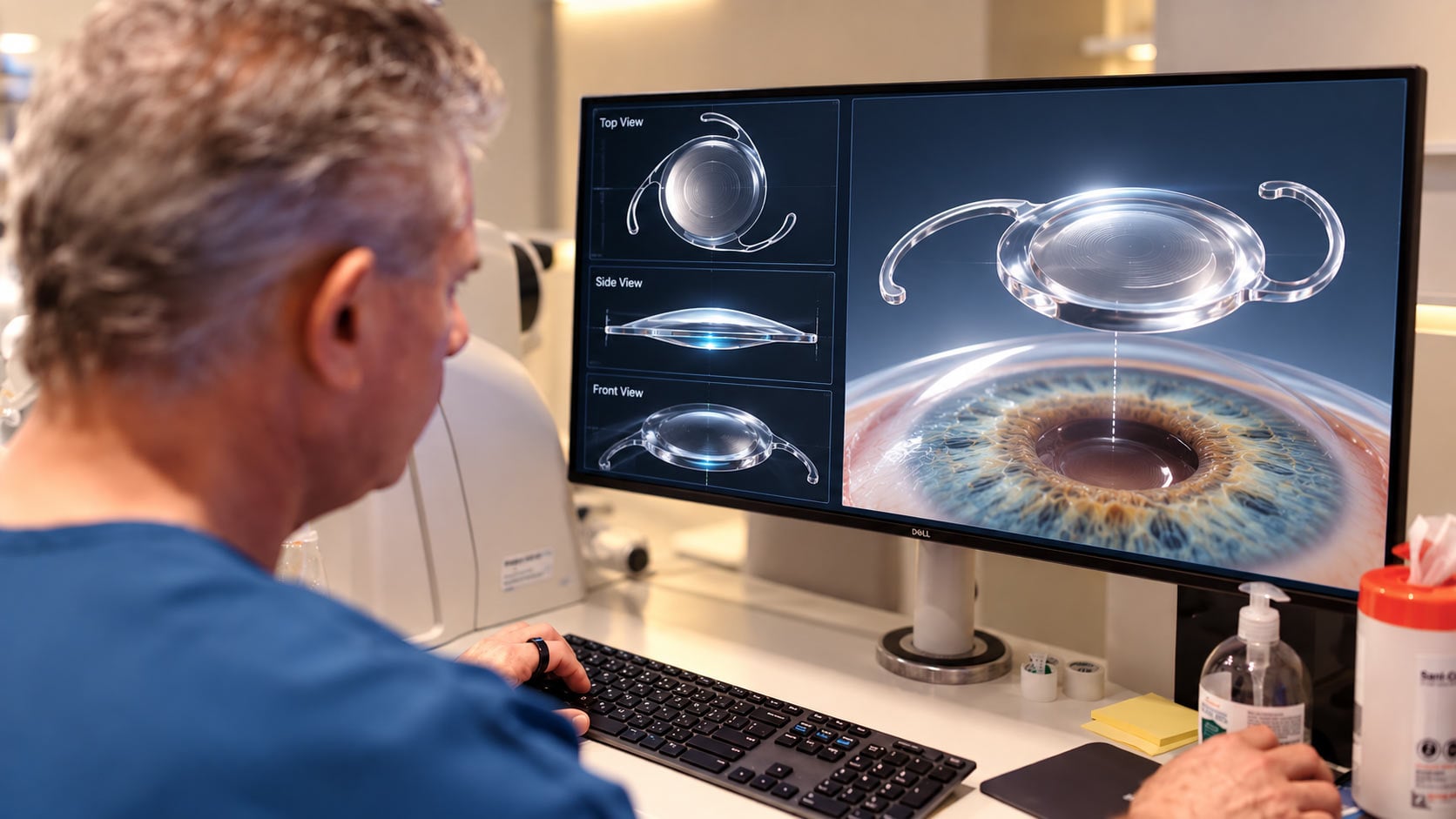
LASIK was introduced in the early 1990s with the development of femtosecond laser technology. This technological advancement allowed surgeons to create a precise flap in the cornea, giving access to the corneal bed beneath without removing the surface layer completely.
This helped make LASIK less invasive than earlier surface treatments, with faster visual recovery and improved comfort for many patients. It also opened the door to a more personalised form of laser vision correction, where treatment planning could be matched more closely to each patient’s prescription, corneal shape and visual goals.
Is LASIK Right for Your Eyes?
LASIK remains a popular elective procedure because the technology behind it has continued to evolve. Modern diagnostics and laser platforms allow surgeons to assess each eye in far greater detail than was possible in the early days of treatment.
LASIK may be suitable for treating a wide range of prescriptions and refractive errors, including:
- Myopia (short-sightedness): Myopia affects the eye’s ability to focus clearly on objects in the distance. Patients may struggle with driving, watching television, sports or recognising faces from further away.
- Hyperopia (long-sightedness): Hyperopia can make close-up tasks such as reading, writing and screen work more difficult without glasses or contact lenses.
- Astigmatism: Astigmatism is caused by an irregular curvature of the cornea or lens, which can lead to blurred, distorted or stretched vision. It often occurs alongside short-sightedness or long-sightedness.
- Presbyopia (ageing eyes): Presbyopia usually becomes noticeable in the 40s and affects near vision. It is caused by age-related changes in the eye’s natural lens, making it harder to focus on close-up tasks.
Other Suitability Factors
Your prescription is only one part of the suitability picture. Patients with stronger prescriptions are sometimes told they are not suitable for laser vision correction, but that is not always the case. At London Vision Clinic, access to advanced diagnostics, specialist expertise and personalised treatment planning means we are often able to help patients with more complex prescriptions.
During our comprehensive screening process, we will also consider:
- your general health and medical history
- the overall health of your eyes
- the thickness and shape of your corneas
- your prescription stability
- your age, lifestyle and visual expectations
This detailed approach helps us determine your suitability for Laser Eye Surgery with greater confidence. While not every patient will be suitable for LASIK specifically, many patients still have excellent alternatives available.
At London Vision Clinic, we can treat up to 97% of the patients we see, using the most appropriate procedure for their eyes.
Why LASIK Remains One of the Most Popular Vision Correction Procedures
LASIK may not be the newest name in laser eye surgery, but it remains one of the most trusted and widely performed procedures because it combines precision, speed and fast visual recovery. For suitable patients, it can offer a powerful balance of comfort, convenience and long-term freedom from glasses or contact lenses.
- LASIK is a quick procedure: Experienced surgeons can usually treat both eyes in less than 15 minutes.
- Recovery is often fast: Many patients can return to work and many normal activities within around 24 hours, depending on their eyes and occupation.
- The procedure is usually very comfortable: Most patients say they experienced no pain, only pressure or unusual sensations during treatment.
- You remain awake throughout: Patients stay awake during the procedure, with anaesthetic eye drops used to numb the eye.
- Many patients reduce or remove their dependence on glasses: Outcomes vary, but many patients are able to ditch their glasses and contact lenses, with many achieving 20/20 vision or better.
The LASIK Surgery Procedure
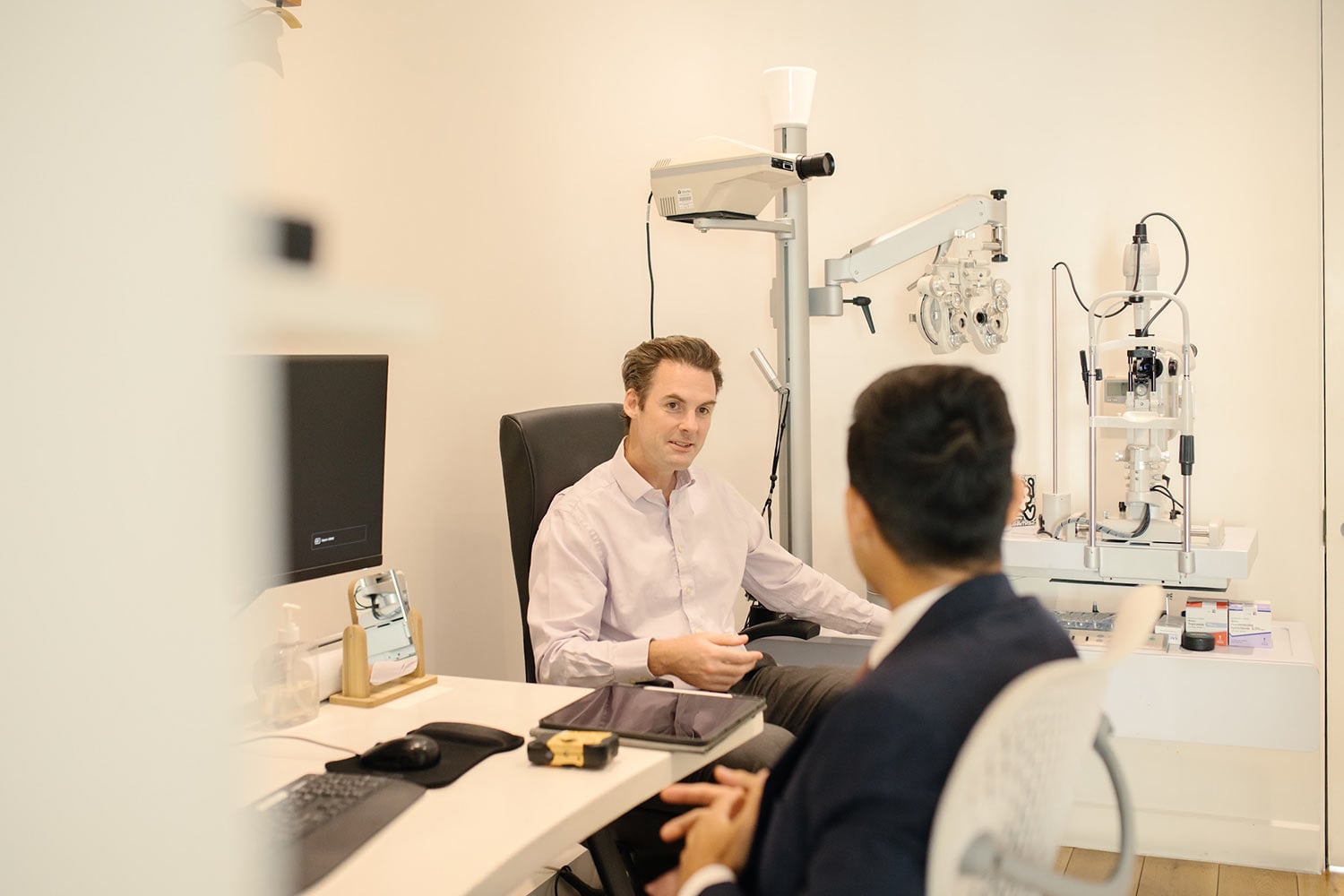
Before any treatment takes place, every patient at London Vision Clinic goes through a detailed screening and diagnostic process. This includes a series of tests and examinations designed to assess not only your prescription, but the deeper structure and health of your eyes.
One important part of this process is measuring the thickness of your corneas. This helps confirm whether the cornea can safely support the creation of the LASIK flap and the laser reshaping required to correct your vision.
Other checks may include pupil measurement, contrast sensitivity testing and screening for eye conditions such as keratoconus. Once these assessments are complete, your surgeon can create a highly personalised treatment plan based on the precise structure of your eyes.
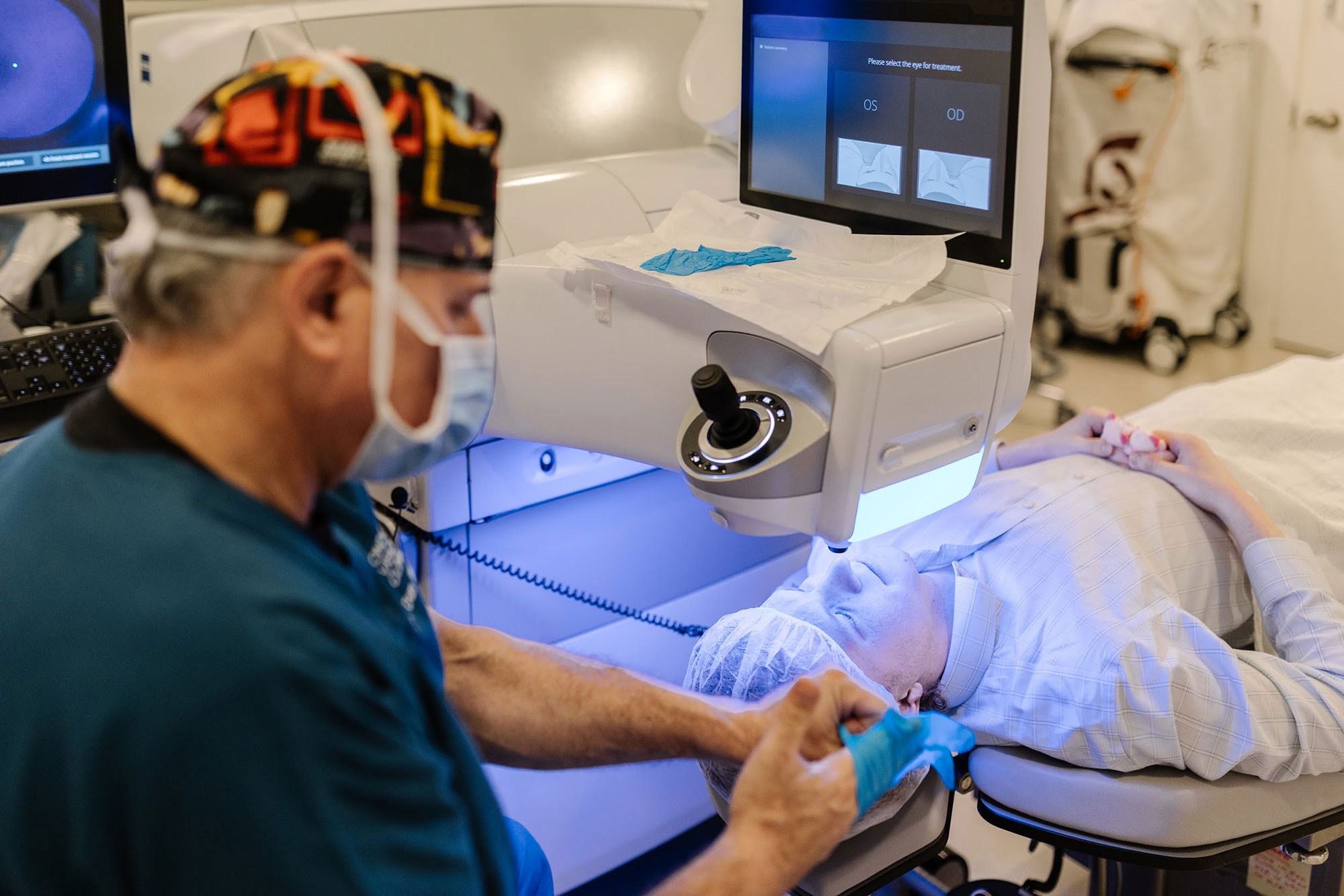
During LASIK, your surgeon uses a high-precision laser to create a thin hinged flap in the outer layer of the cornea. This flap is gently lifted, allowing a second laser to reshape the corneal tissue beneath. The flap is then placed back into position, where it naturally begins to seal and heal.
Most patients notice an improvement in vision quickly, with many returning to normal routines within a short period. After surgery, patients attend regular check-ups and may be prescribed post-operative ophthalmic medication, including lubricating eye drops to support healing and comfort.
LASIK, SMILE or PRK/LASEK: Which Treatment Is Best?
One of the most common questions patients ask today is whether LASIK is still the best option compared with newer procedures such as SMILE or established alternatives such as PRK/LASEK. The honest answer is that the best procedure depends on your eyes.
LASIK may be ideal for patients who want rapid recovery and are suitable for flap-based treatment. ReLEx SMILE may be recommended for certain patients based on corneal structure, prescription and lifestyle factors. PRK/LASEK may be more appropriate when surface-based treatment offers a safer or more suitable route.
At London Vision Clinic, the focus is never on pushing one procedure over another. The goal is to recommend the safest and most effective treatment for your individual eyes, based on detailed diagnostics and specialist clinical judgement.
Would you like to learn more about LASIK and our other laser eye surgery treatments? Get in touch with one of our friendly and knowledgeable clinic coordinators or Book a Consultation today.