
FREE Consultation
Eye Conditions & Vision Treatment in London
At London Vision Clinic, we treat the most common vision conditions that affect everyday life! Myopia (short-sightedness), hyperopia (long-sightedness), astigmatism and presbyopia.
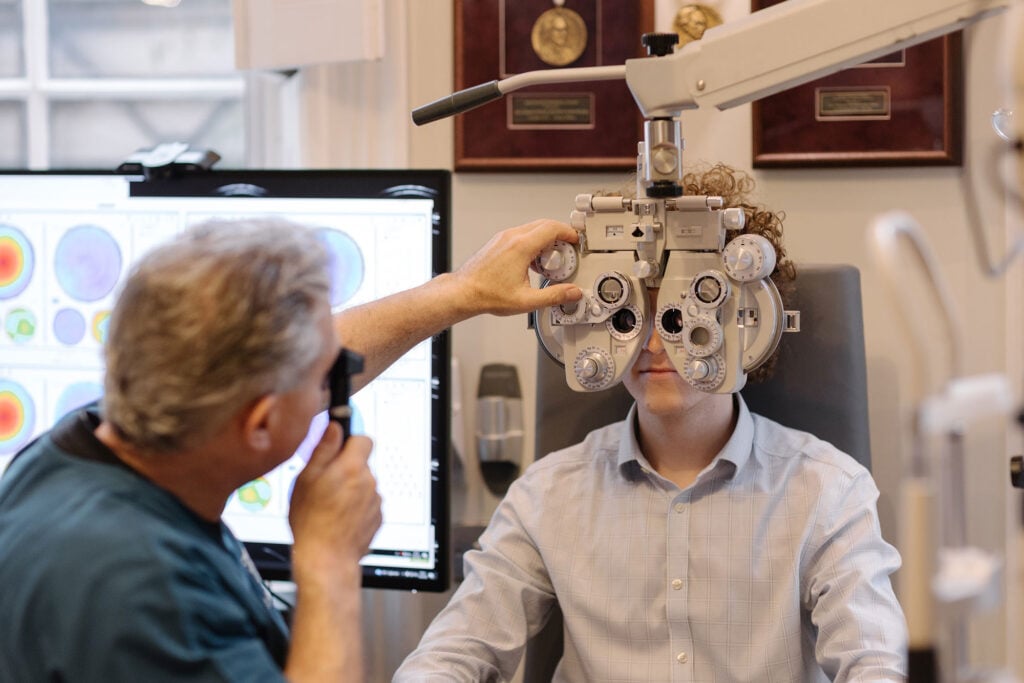
Myopia
Short-sightedness where distant vision appears blurred because light focuses in front of the retina, not on it.
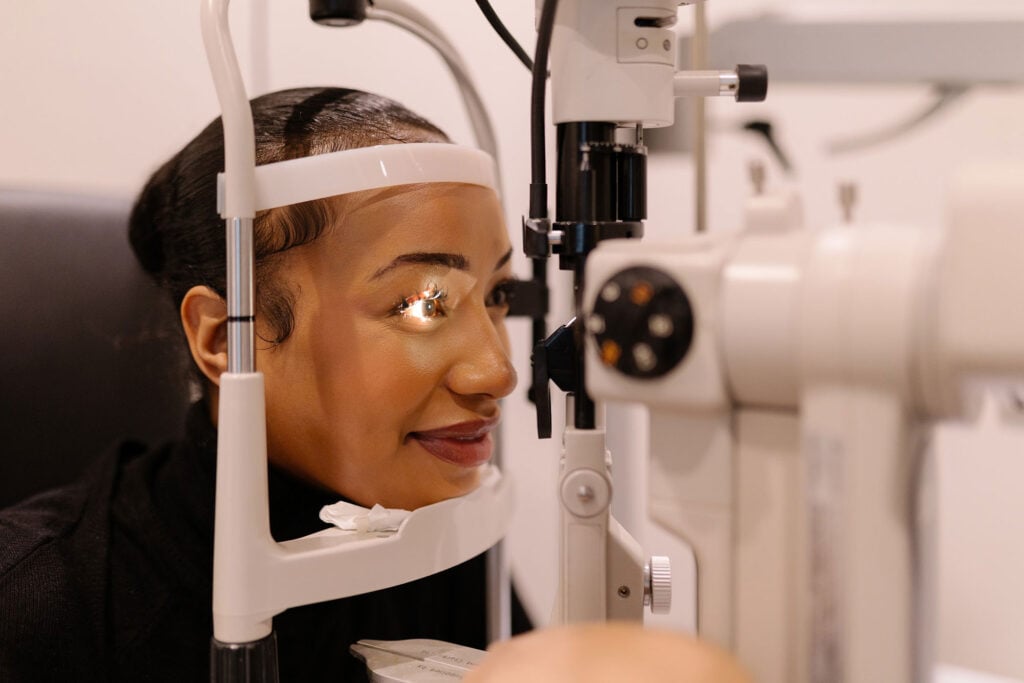
Hyperopia
Long-sightedness causing near and intermediate vision strain because light focuses behind the retina instead of directly on it.
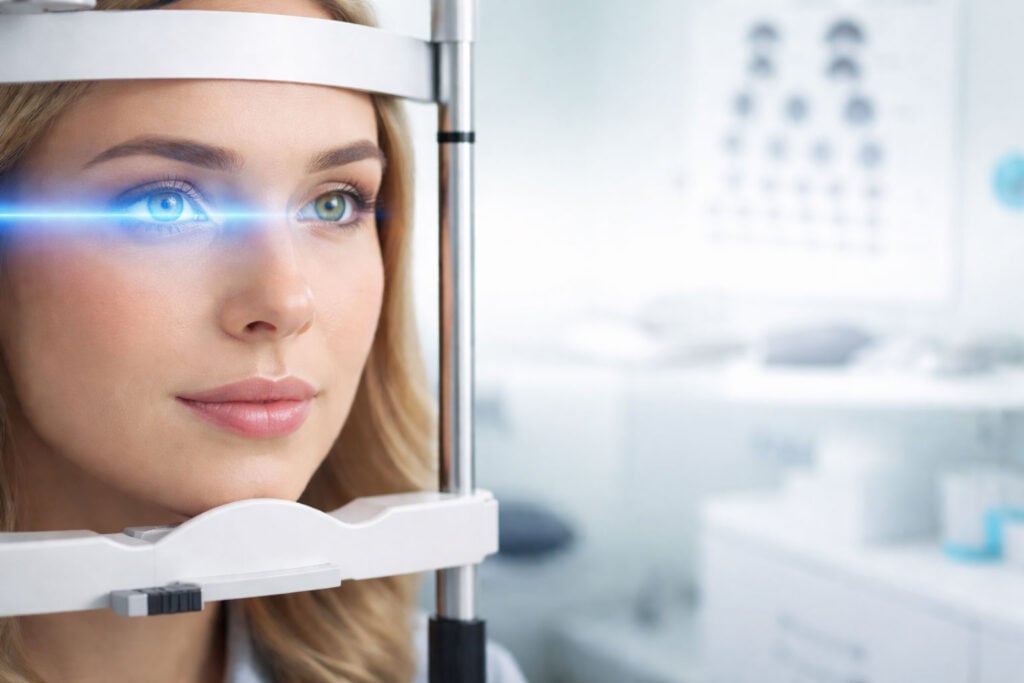
Astigmatism
Age-related loss of near focusing ability caused by natural lens stiffening, making reading and close work increasingly difficult.
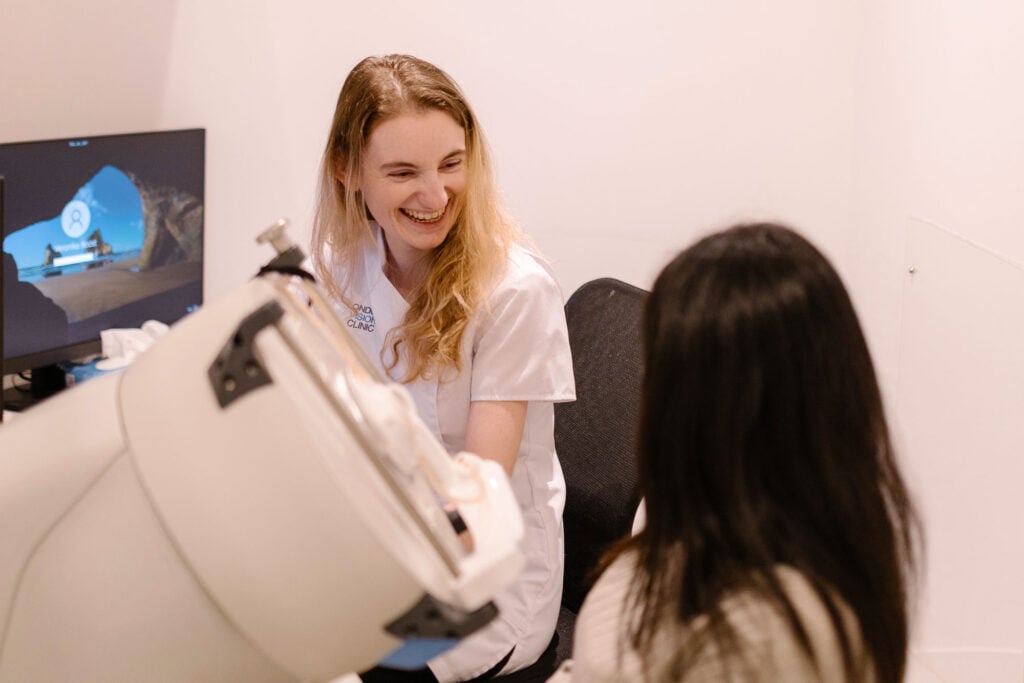
Presbyopia
Irregular corneal shape causes distorted or blurred vision because light cannot focus to one clear point.

Cataracts
Our premium cataract surgery replaces the eye’s cloudy natural lens with a clear artificial lens to restore sharper, brighter vision.

Keratoconus
Keratoconus treatments strengthen and reshape the cornea to stabilise the condition and improve the quality of vision.
Pterygium
Pterygium surgery carefully removes the abnormal tissue growth from the eye’s surface to relieve discomfort and restore clarity.
How Common Eye Conditions Affect Everyday Life in London
In a fast-moving city like London, even small changes in vision can quietly disrupt daily life. Myopia can make commuting more stressful when platform signs, road markings or bus numbers are difficult to read. Hyperopia often shows itself through persistent eye strain during long days on laptops and mobile devices, particularly for professionals working across the capital’s office, healthcare and creative sectors. Presbyopia tends to arrive just as people reach the busiest stage of their careers, when reading messages, reviewing documents and switching between screens becomes increasingly uncomfortable without visual support. Astigmatism, meanwhile, can cause constant blur or visual distortion, making night driving, screen work and detailed tasks feel more tiring than they should.
At London Vision Clinic, we see how these four conditions; myopia, hyperopia, presbyopia and astigmatism, often overlap and evolve as part of real life in London, rather than existing as isolated diagnoses. Many patients arrive having adapted for years with glasses or contact lenses, unaware that modern laser and lens-based treatments can address the underlying optical causes of their symptoms. By assessing how each condition affects both vision and lifestyle, our surgeons are able to recommend personalised treatment pathways that support clearer, more comfortable sight for work, travel, social life and long-term eye health in the city.
FAQs
Can I have more than one eye condition at the same time?
Yes. It is very common for people to have a combination of conditions, such as myopia with astigmatism, or hyperopia with presbyopia later in life. These are not separate problems to be treated in isolation. At London Vision Clinic, your assessment looks at how all refractive errors interact within your eyes so that treatment can be planned as one integrated solution, rather than multiple partial corrections.
How do I know whether my symptoms are caused by presbyopia or another refractive condition?
Blurred near vision, eye strain and headaches are often assumed to be caused by presbyopia alone, but in many patients the real cause is a combination of long-sightedness, astigmatism and age-related focusing changes. A full refractive and diagnostic assessment is the only reliable way to identify which condition or combination of conditions, is affecting your vision and which treatment approach will deliver the most stable long-term result.
Does living and working in London make these eye conditions worse?
While London itself does not cause refractive errors, modern urban lifestyles can accelerate how quickly symptoms become noticeable. Long hours on screens, frequent device use, demanding visual tasks and extended indoor working environments often make problems such as hyperopia, astigmatism and early presbyopia feel more disruptive at an earlier stage. Many patients seek treatment not because their condition is new, but because their daily visual demands have increased.
Is treatment always laser, or are lens-based options sometimes better?
Laser eye surgery is highly effective for many patients, but it is not automatically the best option for every eye condition or every age group. Factors such as corneal structure, prescription level, early lens changes and future visual needs can make lens-based treatments more suitable in some cases. Your treatment plan is based on clinical measurements and long-term visual planning, not on a single technique.