
FREE Consultation
Refractive Cataract Surgery From Our London Eye Clinic
Advanced lens technology for life beyond cataracts
If you have been diagnosed with cataracts, you may already have noticed that everyday vision is becoming less clear. Colours can appear duller, night driving may feel more difficult and activities such as reading, watching television or recognising faces can become increasingly frustrating. While cataract surgery removes the cloudy natural lens responsible for these symptoms, modern refractive cataract surgery goes a step further. Rather than simply restoring vision, it also provides an opportunity to improve the way you see at different distances using advanced implantable lens technology.
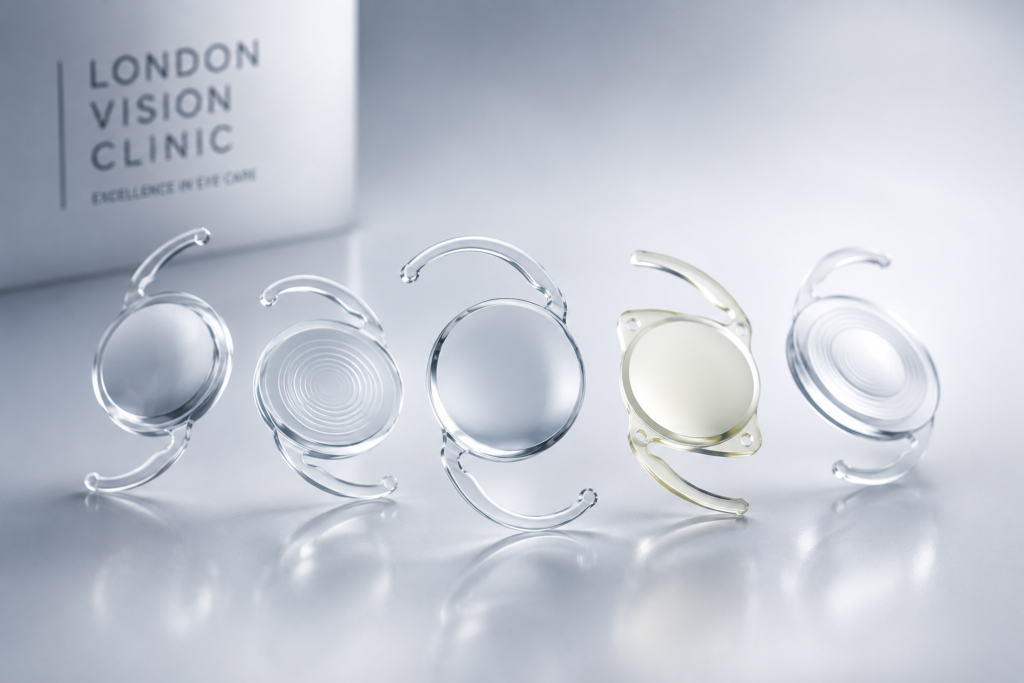
At London Vision Clinic, refractive cataract surgery combines cataract removal with a personalised lens solution tailored to your eyes and lifestyle. Depending on your visual goals, premium lens options may help reduce dependence on glasses for reading, screen use, driving and everyday activities as part of a single treatment.
Whether you are affected by cataracts alone, presbyopia, astigmatism or a long-standing prescription, refractive cataract surgery can offer a long-term solution designed to restore clarity, improve visual freedom and enhance quality of life.
What You Say About London Vision Clinic
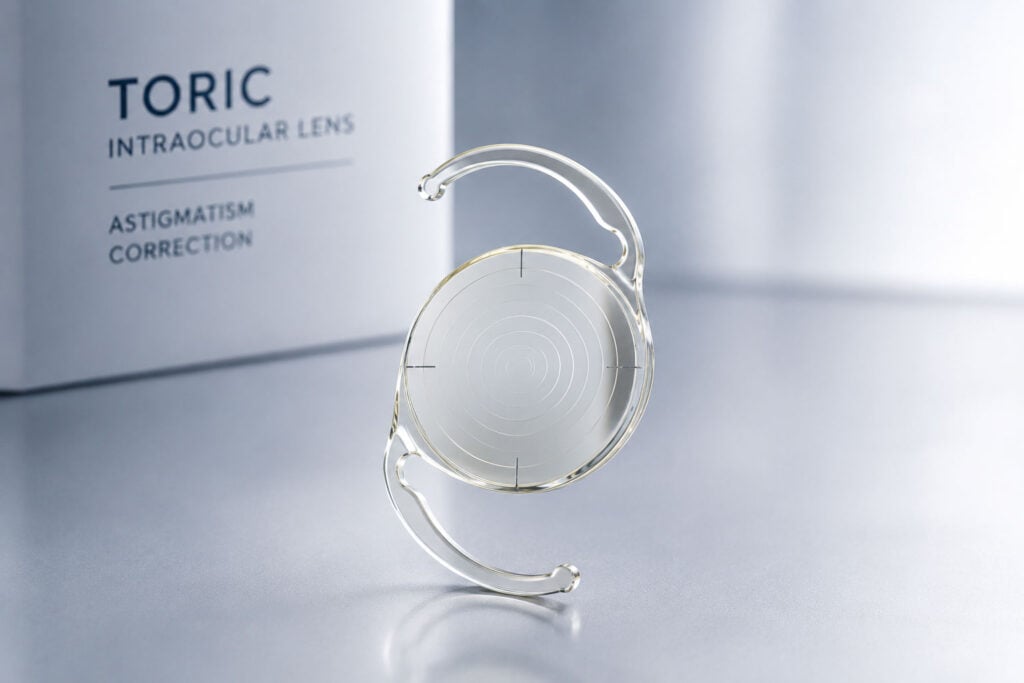
Start with Toric Precision
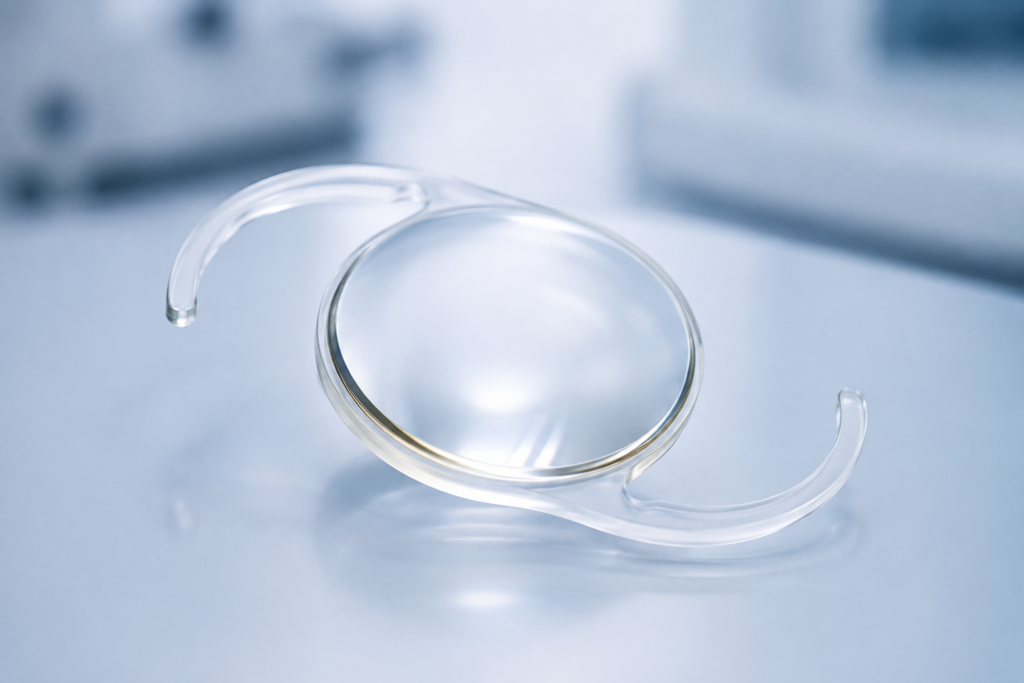
Monofocal Lenses
Monofocal lenses provide clear vision at one primary distance, offering excellent optical quality, sharp focus & visual performance.
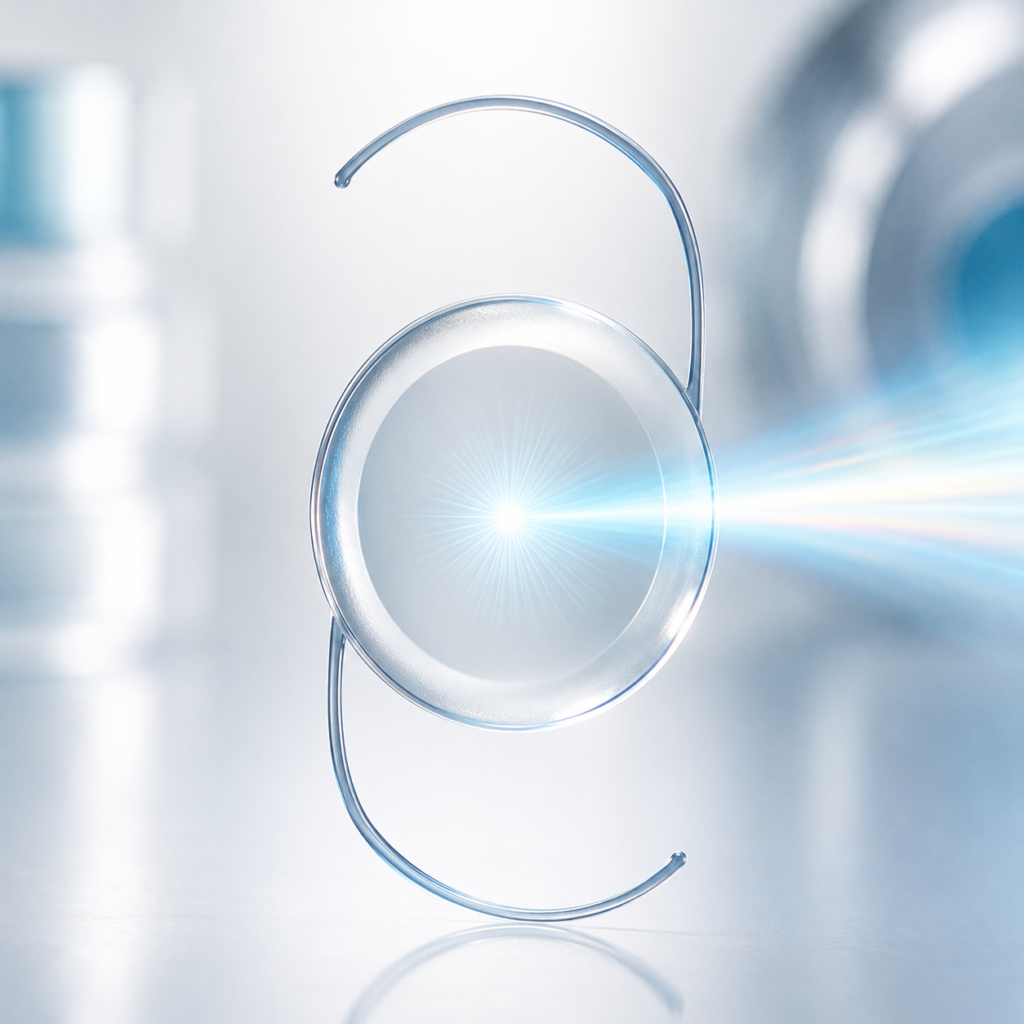
Light Adjustable Lenses
A revolutionary lens technology that can be adjusted after surgery to help optimise visual clarity and accuracy.
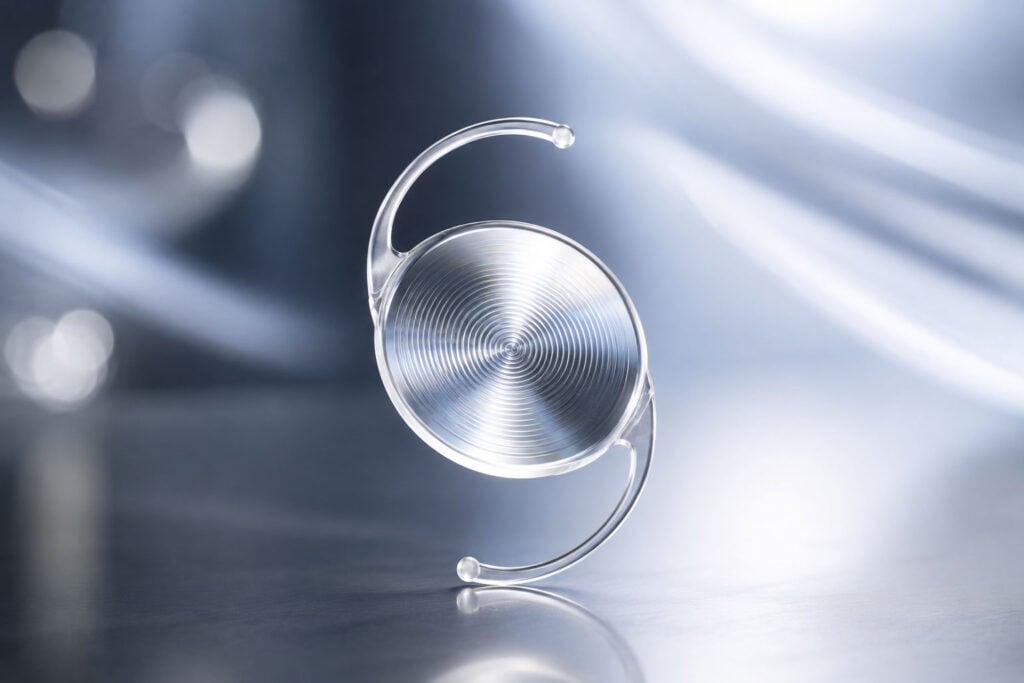
Trifocal Lenses
A premium lens solution designed to provide visual freedom across multiple distances with reduced reliance on glasses.
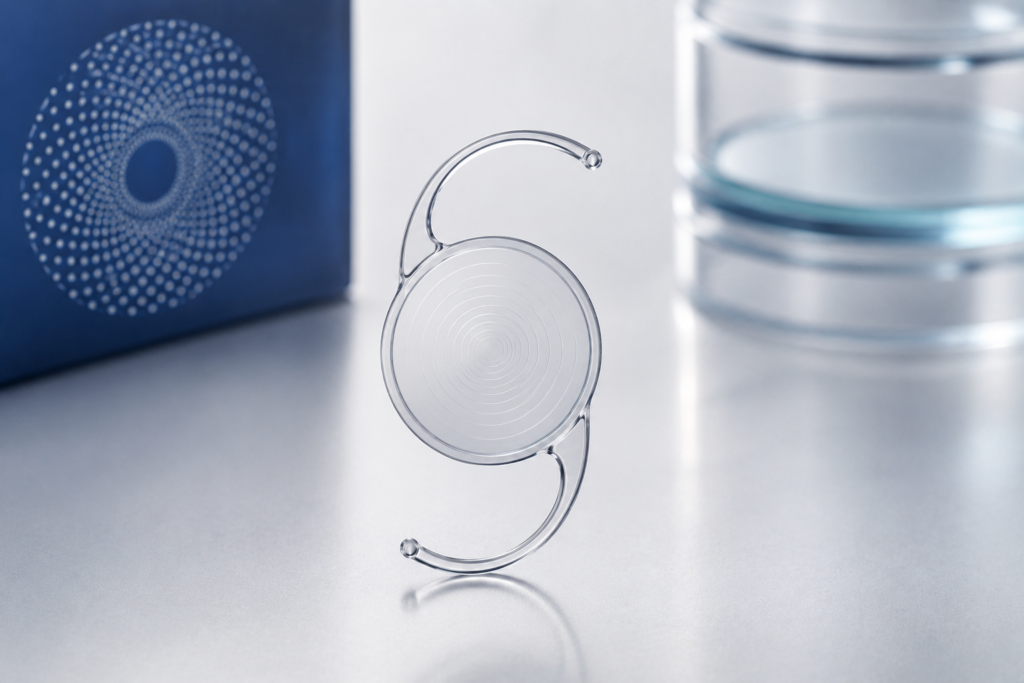
EDOF / Galaxy Lenses
Advanced technology delivers natural visual transitions and excellent performance for driving, screens and everyday activities.
What are Refractive Lenses?
Refractive contact lenses, also known as Implantable Collamer Lenses (ICLs), are advanced implantable lenses designed to correct short-sightedness, long-sightedness and astigmatism without removing the eye’s natural lens.
Unlike laser eye surgery, which reshapes the cornea, refractive contact lenses are placed inside the eye, working alongside your natural lens to improve focus and visual clarity. This makes them particularly suitable for patients with higher prescriptions, thinner corneas or those who may not be ideal candidates for laser vision correction.
Many patients choose refractive contact lenses because they provide excellent optical quality, preserve the natural structure of the eye.
Features & Benefits
| Lens Feature | Patient Benefit |
|---|---|
| Works with Your Natural Lens | Corrects vision without removing the eye's natural lens. |
| Suitable for Higher Prescriptions | Often an excellent option for patients who may not be suitable for laser eye surgery. |
| Premium Optical Quality | Provides sharp, high-definition vision with excellent contrast and clarity. |
| Removable Lens Technology | The lens can be removed or replaced in the future if required. |
| Reduced Dependence on Glasses | Many patients enjoy greater freedom from glasses and contact lenses in everyday life. |
The Procedure
Refractive contact lens surgery is performed under local anaesthetic and carefully planned using advanced diagnostic imaging. Before treatment, your surgeon carries out a comprehensive assessment of your eyes, including measurements of the cornea, anterior chamber depth and overall eye health. This helps determine the most appropriate implantable lens size and prescription for your eyes.
During the procedure, a small incision is created at the edge of the cornea. The refractive contact lens is then gently inserted into the eye and positioned behind the iris and in front of the eye’s natural lens. Unlike lens replacement surgery, the natural lens remains in place.
Refractive contact lenses can be used to correct short-sightedness, long-sightedness and astigmatism, often providing an excellent solution for patients with higher prescriptions or those who may not be suitable for laser eye surgery.
The procedure typically takes around 15 to 30 minutes per eye. Most patients have both eyes treated within a short timeframe and experience rapid visual recovery following surgery.
Benefits
Suitable for Higher Prescriptions: Refractive contact lenses can often correct levels of short-sightedness, long-sightedness and astigmatism that may be beyond the range of laser eye surgery.
Preserves the Natural Lens: Because the eye’s natural lens remains in place, patients retain their natural focusing ability and accommodation where appropriate.
Exceptional Optical Quality: Implantable lenses provide crisp, high-definition vision with excellent contrast, clarity and night vision performance.
Removable and Future-Proof: Unlike laser eye surgery, refractive contact lenses can be removed or replaced if visual needs change in the future.
Challenges and potential risks
Visual Adaptation
Some patients experience temporary visual fluctuations, glare or halos during the early healing period. These symptoms often improve as the eyes recover and the visual system adapts to the implanted lens.Eye Anatomy Requirements
Refractive contact lenses require sufficient space within the eye for safe implantation. Detailed measurements are performed before treatment to ensure the lens is suitable for your individual eye anatomy.Surgical Risks
As with any intraocular procedure, there is a small risk of infection, inflammation or other complications that could affect vision. These risks are uncommon and are discussed during your consultation.Suitability
Your surgeon will explain whether refractive contact lenses are suitable for your eyes, prescription and long-term visual goals before any treatment is planned.What’s the next step?
To find out whether multifocal lens implants are right for you, book your no-obligation consultation using our contact form or speak to our team on 020 7224 1005. Our specialists in central London will guide you through your options and help you choose the most appropriate vision correction pathway for your eyes.
FAQs
What is refractive cataract surgery?
Refractive cataract surgery is an advanced form of cataract treatment that not only removes the cloudy cataract but also corrects existing vision problems at the same time. By replacing the eye’s natural lens with a carefully selected implantable lens, many patients can achieve clearer vision and reduce their dependence on glasses following surgery.
What types of lenses are used during refractive cataract surgery?
Several lens options may be available depending on your eyes and lifestyle goals. These include monofocal lenses for clear distance vision, toric lenses for astigmatism correction, multifocal and trifocal lenses for vision at multiple distances, and advanced EDOF lens technologies designed to provide a smoother range of vision. Your surgeon will recommend the most suitable lens after a detailed assessment.
Will I still need glasses after refractive cataract surgery?
This depends largely on the type of lens chosen. Many patients who select premium lens technologies such as trifocal, multifocal or EDOF lenses significantly reduce their dependence on glasses. Some patients may still prefer glasses for specific tasks, but the goal of refractive cataract surgery is often to maximise visual freedom wherever possible.
How do I know which lens is right for me?
The best lens depends on your prescription, eye health, lifestyle and visual priorities. During your consultation at London Vision Clinic, detailed measurements and diagnostic testing are performed to help determine which lens technology is most likely to provide the visual outcome you are looking for.