
FREE Consultation
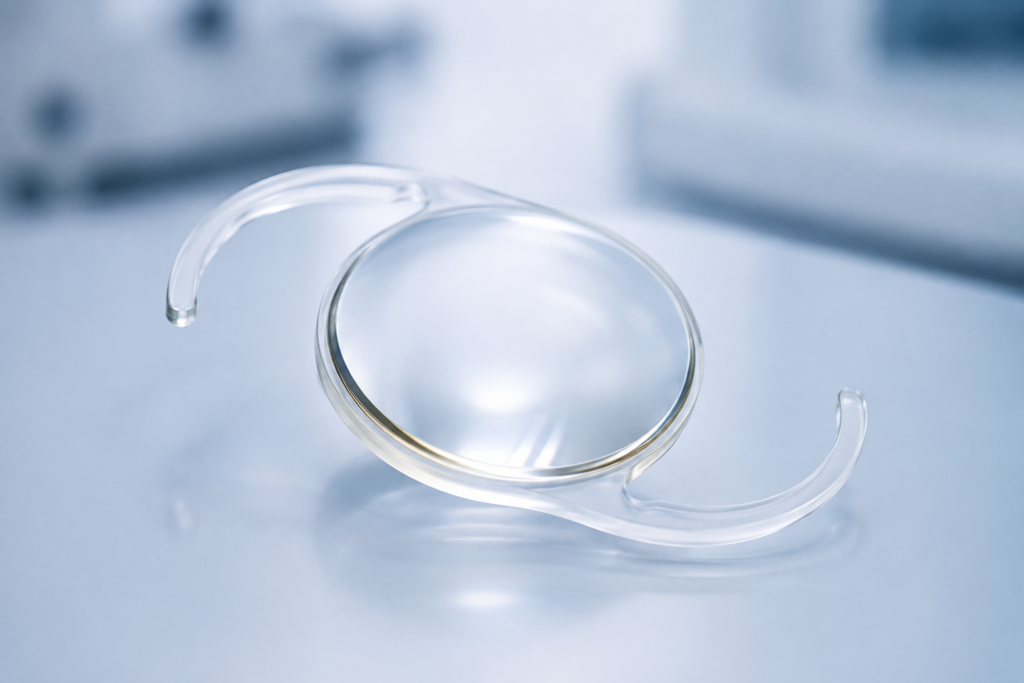
Monofocal Implantable Lenses
Clear distance vision designed for everyday life from our London clinic
Sharp, Reliable Vision with Proven Lens Technology
If you are looking for clear, dependable vision and a proven long-term solution, monofocal implantable lenses remain one of the most trusted options available in modern eye care. Monofocal lenses are designed to provide excellent vision at a single focal distance, most commonly for driving, television and everyday distance activities. Thanks to their simple optical design, they are known for delivering outstanding clarity, contrast and visual quality, making them a popular choice for patients undergoing lens replacement or cataract surgery.
Unlike multifocal or EDOF lenses, monofocal lenses focus on one distance only. This straightforward approach can reduce visual disturbances and provide crisp, predictable results for many patients. Reading glasses may still be required for close-up tasks, but many patients appreciate the simplicity and reliability that monofocal lens technology provides. At London Vision Clinic, monofocal lens treatment is carefully tailored to your prescription, lifestyle and visual priorities, helping deliver clear, comfortable vision with long-term confidence.
What You Say About London Vision Clinic
What are Monofocal Lenses?
Monofocal lenses are the most established and widely used type of implantable lens used in modern lens replacement and cataract surgery. They are designed to provide clear, high-quality vision at a single focal distance, most commonly for distance vision such as driving, watching television and everyday activities. This simpler optical design is often associated with excellent clarity, strong contrast sensitivity and highly predictable visual outcomes.
Monofocal lenses are particularly popular among patients who prioritise sharp distance vision and prefer a straightforward, proven lens solution. Reading glasses may still be required for close-up tasks, but many patients appreciate the crisp visual quality and reduced risk of visual disturbances offered by monofocal lens technology.
Features & Benefits
| Lens Feature | Patient Benefit |
|---|---|
| Single-Focus Optical Design | Provides crisp, reliable vision at a chosen focal distance, typically for driving and everyday activities. |
| Excellent Visual Clarity | Known for delivering sharp vision with high optical quality and predictable results. |
| Strong Contrast Sensitivity | Helps maintain clear vision and detail recognition in a variety of lighting conditions. |
| Reduced Visual Disturbances | Typically associated with fewer halos and glare effects than some multifocal lens designs. |
| Proven Long-Term Performance | A trusted lens technology with decades of successful use in cataract and lens replacement surgery. |
The Procedure
Monofocal lens surgery is a straightforward procedure performed under local anaesthesia. The treatment typically involves the following steps:
- Preoperative Assessment: Our surgical team carries out a detailed evaluation of the eyes, including measurements of the cornea, pupil size and eye length to help select the most suitable monofocal lens power.
- Lens Removal: A small incision is made in the cornea, and the natural lens is gently softened and removed using advanced ultrasound technology known as phacoemulsification.
- Lens Implantation: The monofocal lens is folded and inserted through the same small incision. Once inside the eye, the lens unfolds naturally and is positioned securely. The procedure typically takes around 15 to 30 minutes per eye.
- Vision Focus: Monofocal lenses are usually set for clear distance vision, helping with activities such as driving, walking outdoors and watching television. Reading glasses may still be needed for close-up tasks.
- Aftercare: Personalised aftercare appointments and prescription eye drops are provided to support healing and monitor your visual progress following treatment.
Benefits
- Exceptional Visual Clarity: Monofocal lenses are designed to provide sharp, reliable vision at a chosen focal distance, most commonly for everyday distance activities.
- Reduced Visual Disturbances: Their simple optical design is often associated with fewer halos, glare effects and light-related symptoms compared to some premium lens technologies.
- Proven Long-Term Results: Monofocal lenses have been used successfully for decades and remain one of the most trusted options in modern lens replacement surgery.
Challenges and potential risks
- Reading Glasses for Close-Up Tasks: Monofocal lenses are typically designed for one focal distance, meaning reading glasses may still be required for books, menus, mobile phones or other near-vision activities.
- Single-Distance Focus: While monofocal lenses provide excellent clarity at a chosen distance, they do not offer the same range of vision as multifocal, trifocal or EDOF lens technologies.
- Surgical Risks: As with any eye surgery, there is a small risk of infection, inflammation or complications that could affect vision.
What’s the next step?
Come and visit us, book now using our contact form to attend your no-obligation consultation, or call our friendly team on 020 7224 1005
FAQs
Will I still need glasses after monofocal lens surgery?
Monofocal lenses are usually designed to provide clear vision at one focal distance, most commonly for driving and everyday distance activities. While many patients enjoy excellent distance vision without glasses, reading glasses are often still needed for close-up tasks such as reading books, menus or using a mobile phone.
Why do many patients still choose monofocal lenses?
Monofocal lenses remain one of the most trusted and widely used lens technologies available. Many patients choose them because they offer excellent visual clarity, predictable outcomes and are often associated with fewer visual disturbances such as halos and glare.
Are monofocal lenses suitable for cataract surgery?
Yes. Monofocal lenses are commonly used during cataract surgery and lens replacement procedures. They have been successfully implanted in millions of patients worldwide and continue to be a highly effective option for restoring clear vision.
Can monofocal lenses correct astigmatism?
In some cases, yes. Patients with astigmatism may be suitable for toric monofocal lenses, which are specifically designed to correct astigmatism while providing the same crisp, high-quality vision associated with monofocal lens technology. Your surgeon will advise whether this option is suitable during your consultation.