On 11 September 2026, the EuroEyes Group will be recognised by ZEISS for implanting more ZEISS trifocal lenses than any other clinic group worldwide for ten consecutive years. As part of the EuroEyes Group, London Vision Clinic is proud to share in this important international milestone. For patients visiting our Harley Street clinic, however, its significance extends beyond the award itself. It represents ten years of accumulated surgical experience, established clinical pathways and international collaboration in the treatment of presbyopia, cataracts and age-related changes to vision.
A Global Achievement With Local Significance
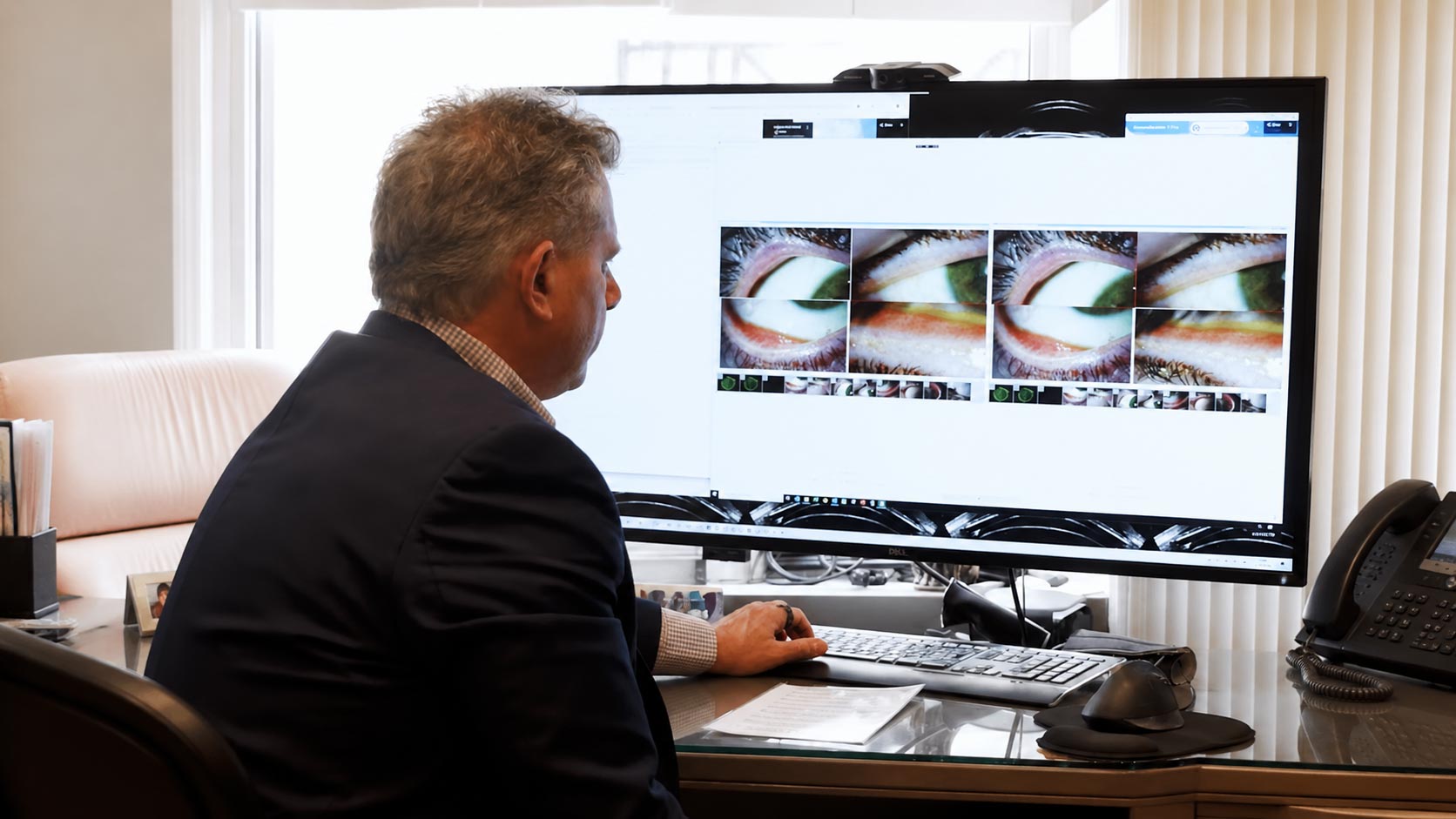
London Vision Clinic has always approached vision correction through detailed diagnostics, evidence-led treatment planning and careful consideration of each patient’s individual eyes.Becoming part of the EuroEyes Group has added another dimension to this approach. Our London team is connected to a wider international network of ophthalmic surgeons, researchers and clinical specialists with extensive experience across laser eye surgery, cataract treatment and advanced lens procedures.
The ZEISS award reflects the collective experience developed across this network. Maintaining the highest annual volume of ZEISS trifocal lens implantations for ten consecutive years demonstrates consistency rather than a single successful period. For London Vision Clinic patients, this creates access to international knowledge while retaining the highly personalised, consultant-led care associated with our Harley Street clinic.
What the ZEISS Recognition Represents
- Ten consecutive years of leadership in ZEISS trifocal lens implantation
- Extensive international experience across different prescriptions and visual needs
- Established diagnostic, surgical and aftercare pathways
- Ongoing collaboration between experienced lens surgeons
- A long-term commitment to treating presbyopia and cataracts
What Is a ZEISS Trifocal Lens?
A trifocal intraocular lens is an advanced artificial lens designed to support useful vision across three principal focal distances:
- Near vision for reading, messages and other close-up activities
- Intermediate vision for computers, tablets, dashboards and household tasks
- Distance vision for driving, watching television and recognising faces
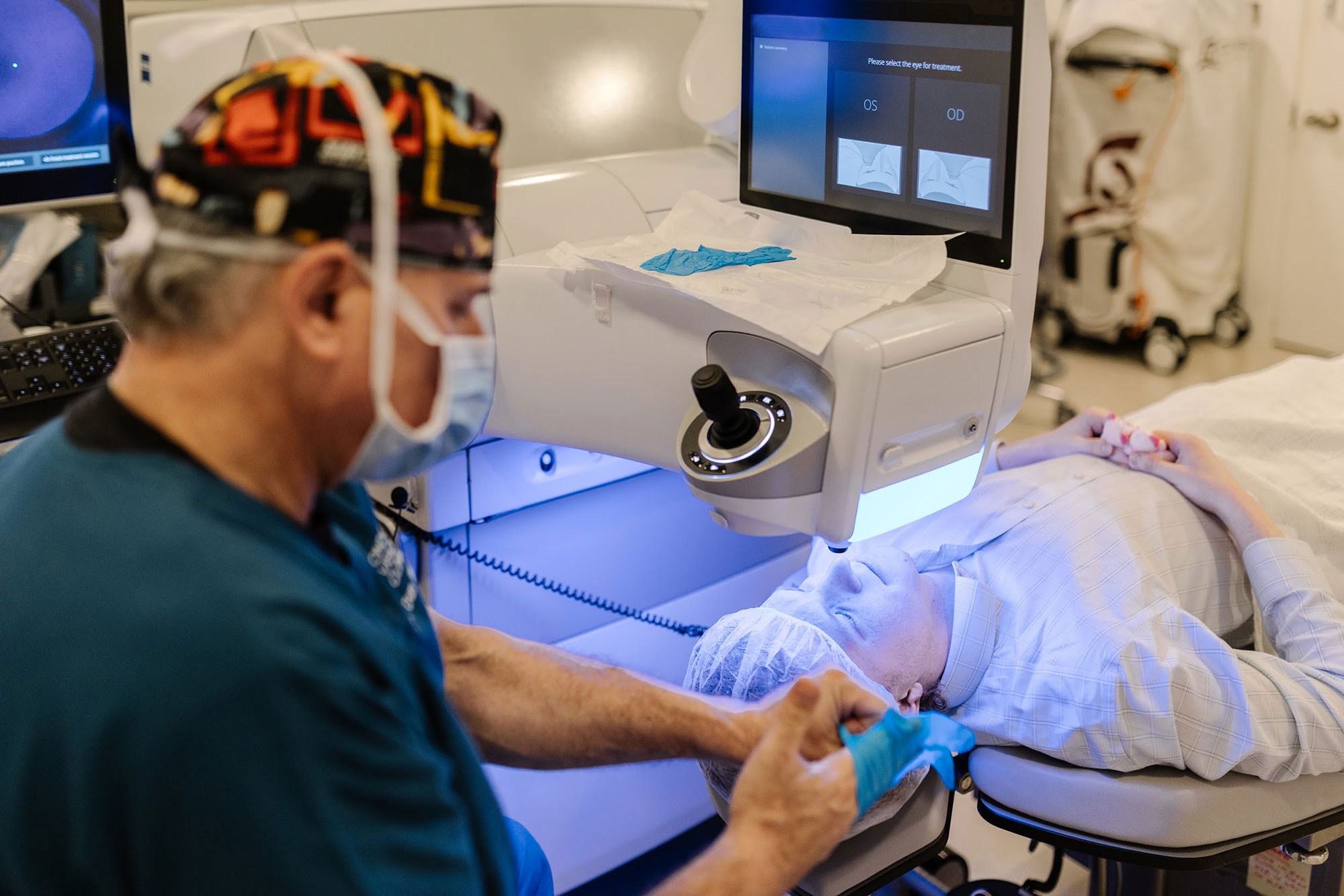
During trifocal lens surgery, the eye’s natural lens is gently removed and replaced with an artificial intraocular lens selected according to the patient’s eye measurements and visual requirements. Trifocal lenses may be considered for patients with presbyopia who are exploring refractive lens exchange. They can also be used during cataract surgery when a patient would like to reduce their dependence on reading, computer and distance glasses.
Why Does Experience Matter in Trifocal Lens Surgery?
The design and quality of an intraocular lens are important, but the implant itself is only one part of the treatment journey.
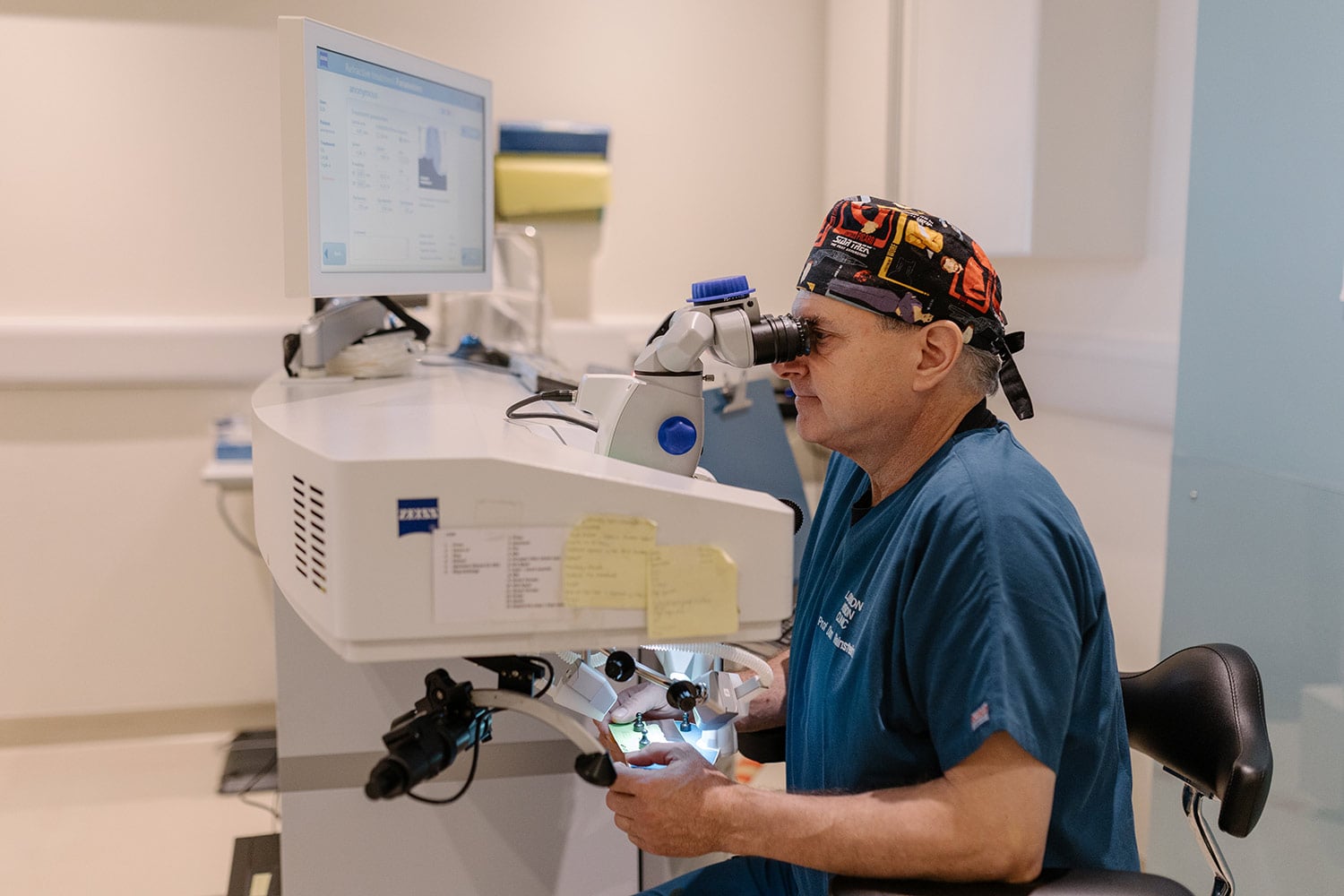
A successful plan also depends on detailed diagnostic testing, accurate measurements, careful patient selection, precise surgical technique and appropriate postoperative care.Performing a considerable number of procedures over many years gives a clinical organisation practical experience across a wide variety of eyes. Patients can differ significantly in their prescription, corneal shape, retinal health, natural lens condition and expectations for near, intermediate and distance vision. This depth of experience can help surgeons recognise which patients are most likely to benefit from trifocal technology. Just as importantly, it can help identify when a different form of vision correction may provide a more appropriate balance of visual range, contrast and optical quality.
The Right Lens Is More Important Than a Particular Lens
The ZEISS recognition is an impressive achievement, but it does not mean that a trifocal lens should be recommended to every patient.
At London Vision Clinic, treatment begins with the patient rather than a particular technology. Our clinical team examines the health and optical performance of the complete visual system before making a recommendation.
Depending on your eyes and lifestyle, potential options may include:
- Trifocal or multifocal intraocular lenses
- Extended depth of focus lenses
- Monofocal or toric lenses
- Light Adjustable Lenses
- Implantable Collamer Lenses
- PRESBYOND® Laser Blended Vision
- Another personalised laser vision correction procedure
The aim is not to select the lens with the greatest number of focal points. It is to identify the treatment that offers the most suitable combination of visual quality, range of focus and long-term eye health for the individual patient.
Combining International Experience With Harley Street Care
London Vision Clinic has built its reputation by treating every eye as unique. Our diagnostic assessments examine far more than the basic glasses prescription, allowing the clinical team to understand how the cornea, natural lens, retina and visual system work together. Membership of the EuroEyes Group allows this personalised approach to be supported by extensive international lens-surgery experience.
Clinical teams can benefit from shared knowledge developed across a large and varied patient population, while each person attending London Vision Clinic continues to receive an individual assessment and treatment plan. This combination is particularly valuable in lens surgery, where seemingly similar patients may have very different visual priorities. One patient may place greater importance on reading and close-up detail, while another may prioritise night driving, screen use or distance clarity.
A Lasting Form of Vision Correction
Trifocal intraocular lenses are intended to remain permanently inside the eye. They are not normally visible or felt once positioned, and their optical power is not expected to weaken as the patient gets older. Because the natural lens has been removed, a cataract cannot subsequently form in the treated eye. However, other structures within the eye can still change over time, including the cornea, retina and optic nerve. Continuing routine eye examinations therefore remains important.
No intraocular lens can guarantee complete freedom from glasses in every situation. Some patients may still prefer additional spectacles for particularly detailed close work or challenging lighting conditions. A clear discussion of these benefits, compromises and realistic expectations is an essential part of the consultation process.
Ten Years of Learning, Not Simply Ten Awards
The greatest value of sustained surgical experience is the opportunity to keep learning.
Every procedure contributes to a deeper understanding of patient selection, lens calculation, visual adaptation and postoperative care. Over time, this knowledge helps clinical teams refine how treatments are planned and how patients are supported throughout recovery. The EuroEyes milestone represents ten consecutive years of maintaining a leading position in ZEISS trifocal lens implantation. Behind that achievement are surgeons, optometrists, nurses, technicians and patient-care teams working across an international organisation. It also represents the many patients who have trusted the Group with their vision and whose individual treatment journeys have contributed to this extensive body of experience.
What Patients Can Expect at London Vision Clinic
A lens-surgery journey at London Vision Clinic begins with a comprehensive consultation and diagnostic assessment at our Harley Street clinic. Your clinical team will examine your prescription, eye health, natural lens clarity and the way you use your vision throughout everyday life. Your surgeon will then explain which treatment options may be suitable, along with their potential benefits, limitations and recovery requirements.
If a trifocal lens is recommended, the decision will be based on your individual measurements and visual priorities rather than the popularity of the technology or the existence of an award.
You can learn more about the procedure on our trifocal lens surgery page.
Looking Beyond the Milestone
ZEISS recognising EuroEyes for ten consecutive years is an important moment for the entire Group. For London Vision Clinic, it also represents a foundation for continued collaboration and clinical development.
Diagnostic systems, lens designs and surgical planning methods continue to advance. By combining international experience with the research-led and highly personalised approach established at London Vision Clinic, our aim is to ensure that patients can access the most appropriate modern vision correction for their eyes.
The award celebrates a decade of leadership. Its real value lies in how that accumulated knowledge can be used to support each new patient who walks through the doors of our Harley Street clinic.
Could Trifocal Lens Surgery Be Right for You?
A comprehensive consultation at London Vision Clinic can determine whether a ZEISS trifocal lens or another vision correction option is better suited to your eyes, lifestyle and long-term visual goals.
All surgical procedures carry potential risks and limitations. Treatment suitability, recovery and likely visual outcomes vary between patients and can only be assessed following a comprehensive clinical examination.