Your Journey To Life Without Glasses Or Contact Lenses
Laser eye surgery can feel daunting before you understand what is involved. At London Vision Clinic, the process is designed to be clear, careful and reassuring from the very first conversation. Every patient journey is slightly different, but the aim is always the same: to understand your eyes in exceptional detail and recommend the safest, most suitable treatment for your vision.
From your initial enquiry to your final aftercare appointment, our surgeons, optometrists and Patient Care Coordinators guide you through each stage with time, precision and personal attention. Nothing is rushed, and no treatment is recommended until we are confident it is right for you.
The London Vision Clinic Patient Journey
The steps below explain what usually happens when you begin exploring laser eye surgery with London Vision Clinic. They also show why the quality of the assessment, planning and aftercare matters just as much as the procedure itself.
Initial Conversation
Speak with one of our Patient Care Coordinators, ask questions and find out whether vision correction may be right for you.
Suitability Screening
Advanced diagnostic testing helps us understand your eyes in detail and decide which treatment may offer the best outcome.
Ophthalmic Examination
One of our experienced optometrists performs a detailed eye examination to assess eye health, visual quality and suitability.
Surgeon Planning
Your surgeon reviews every measurement and creates a personalised treatment plan based on your eyes and visual goals.
Treatment & Aftercare
From surgery day through to recovery, our team provides structured aftercare and ongoing support.
Step One: A Simple Conversation
The first step is simply to speak with us. You can call 0207 224 1005 and one of our Patient Care Coordinators will help answer your questions, explain the process and discuss any concerns you may have. There is no obligation, even if you decide to book an initial assessment.
For many patients, this first conversation is where the process begins to feel less overwhelming. You can talk openly about your prescription, lifestyle, expectations and what you would like to achieve from treatment.
Step Two: Finding Out If You Are Suitable
Before any treatment is considered, we need to understand whether you are suitable for laser eye surgery. Around 95% of people may be suitable, although some patients require a different type of procedure or further investigation before a recommendation can be made.
Your screening appointment is designed to gather detailed information about your eyes. Our clinical team measures your prescription, corneal shape, corneal thickness, pupil size and the way your eyes focus light. These measurements help us assess suitability, reduce risk and identify the treatment most likely to provide a stable, high-quality visual result.
Step Three: Ophthalmic Examination
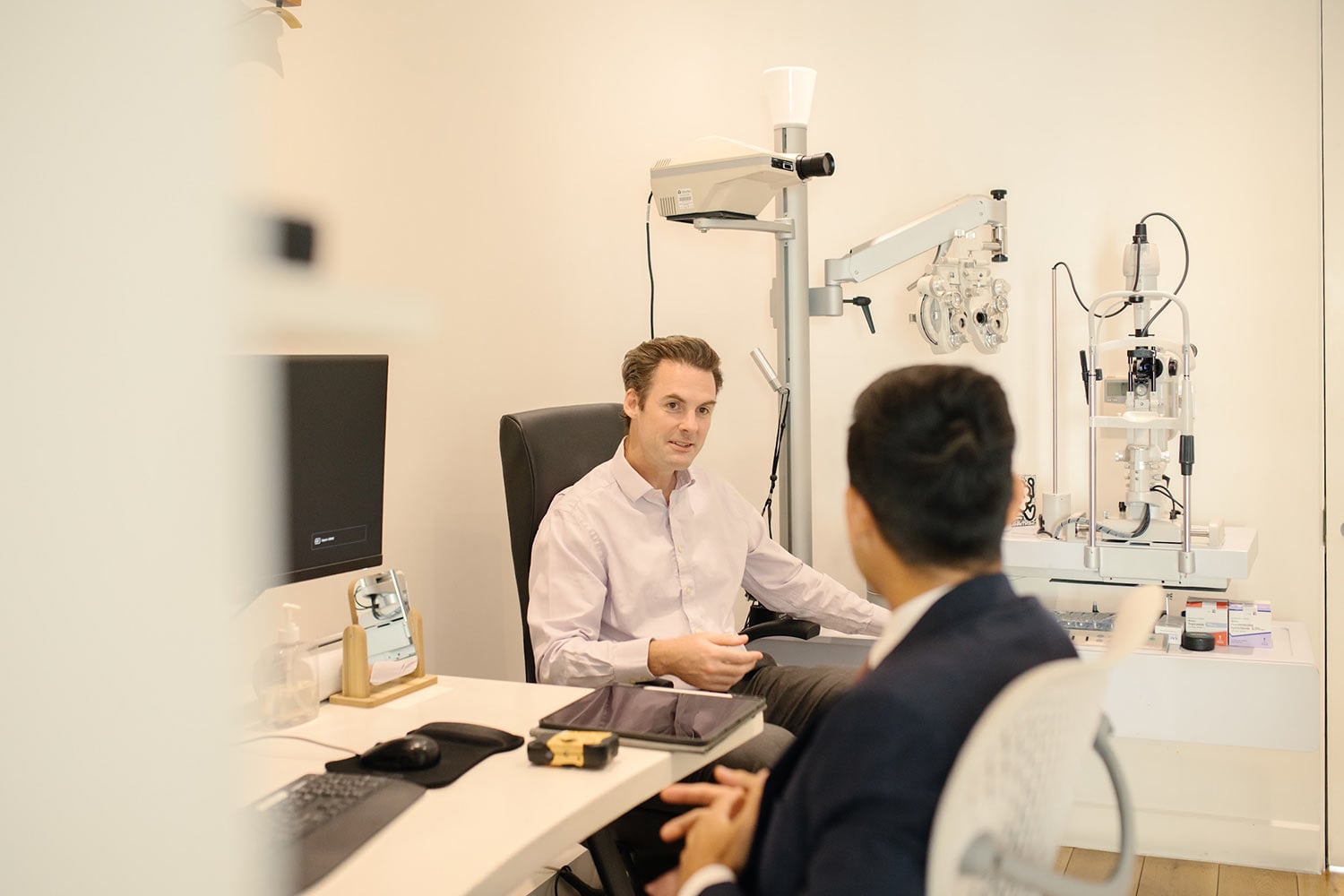
If your initial measurements suggest that treatment may be suitable, one of our expert optometrists will carry out a full ophthalmic examination. This appointment looks in greater detail at the health of your eyes, your tear film, your focusing ability and the quality of your vision in different conditions.
We may also dilate your pupils using eye drops, which allows us to examine the inside of your eyes more thoroughly. Your vision may feel slightly blurred and more sensitive to light for a few hours afterwards, so we will explain what to expect before the examination begins.
Lucy reflects on her reasons for choosing London Vision Clinic and shares her experience as she prepares for laser eye surgery.
Advanced Scans And Detailed Measurements
London Vision Clinic is known for taking exceptional care during the diagnostic stage. We measure the exact geometry of the cornea, including its curvature and thickness, because laser eye surgery involves reshaping this part of the eye. The more precisely we understand your cornea, the more accurately your treatment can be planned.
We also assess the tiny optical imperfections that can affect the way light travels through your eyes. This helps us understand visual quality beyond a standard glasses prescription, including how your eyes may perform in low light or at night.
In some cases, we may recommend an Artemis Insight 100™ scan. Co-invented by Professor Dan Reinstein, this ultrasound technology creates a highly detailed three-dimensional map of the individual layers of the cornea. It can be especially valuable for patients with thinner corneas, astigmatism or more complex prescriptions.
“The whole process is unbelievable. To be able to see perfectly after wearing glasses since childhood is a wonderful feeling.”
Eleanor
Step Four: Personalised Surgeon Planning
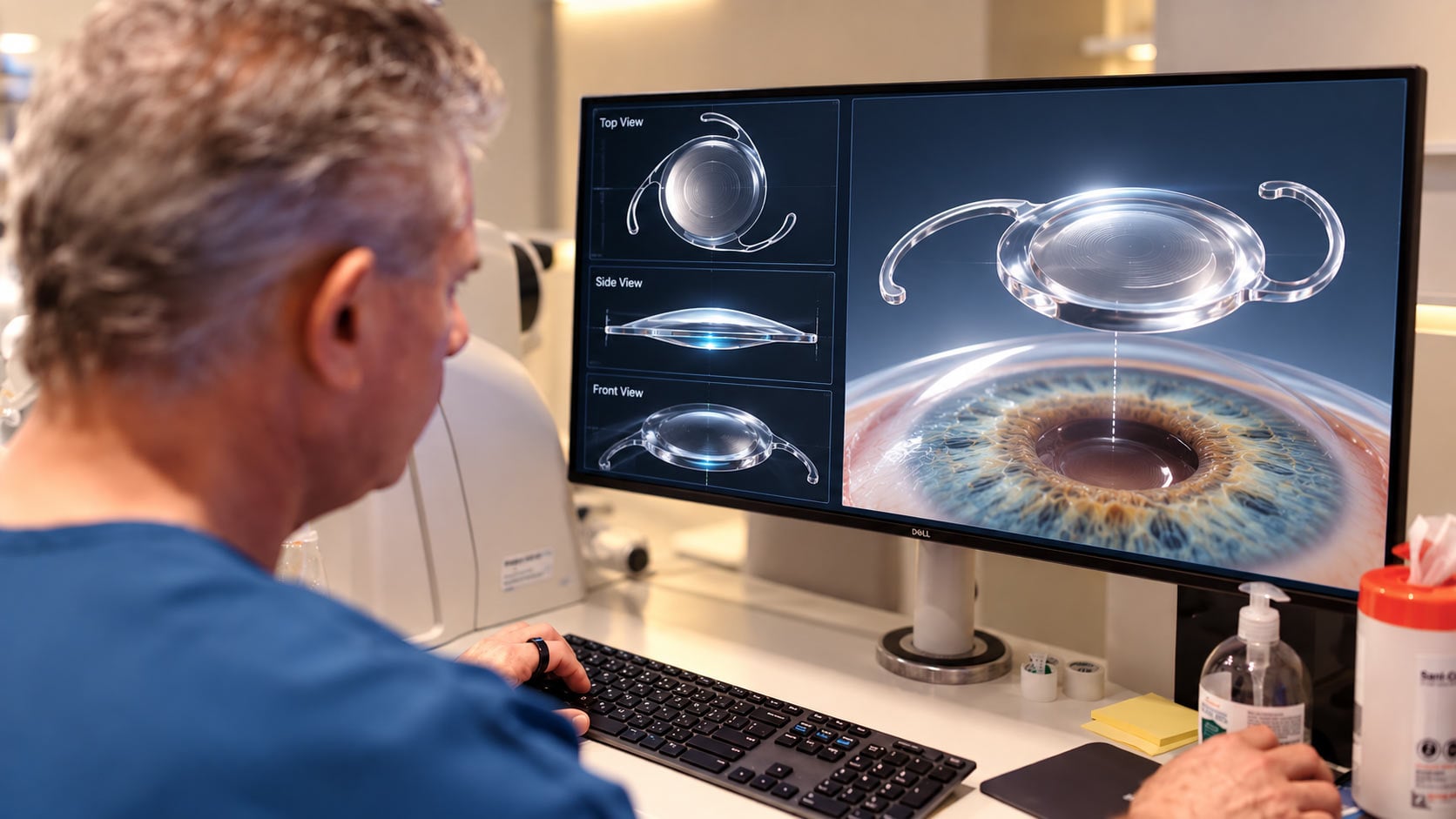
Once your scans and examination results have been reviewed, your surgeon will confirm whether treatment is suitable and which procedure is most appropriate. For some patients this may be LASIK, while others may be better suited to SMILE Pro, PRK or LASEK, or PRESBYOND Laser Blended Vision.
This is where the detail matters. Your treatment plan is based on your eye anatomy, prescription, age, lifestyle and long-term visual needs. Rather than offering a standard pathway, London Vision Clinic uses detailed diagnostic information to create a plan designed specifically for your eyes.
Step Five: Treatment Day
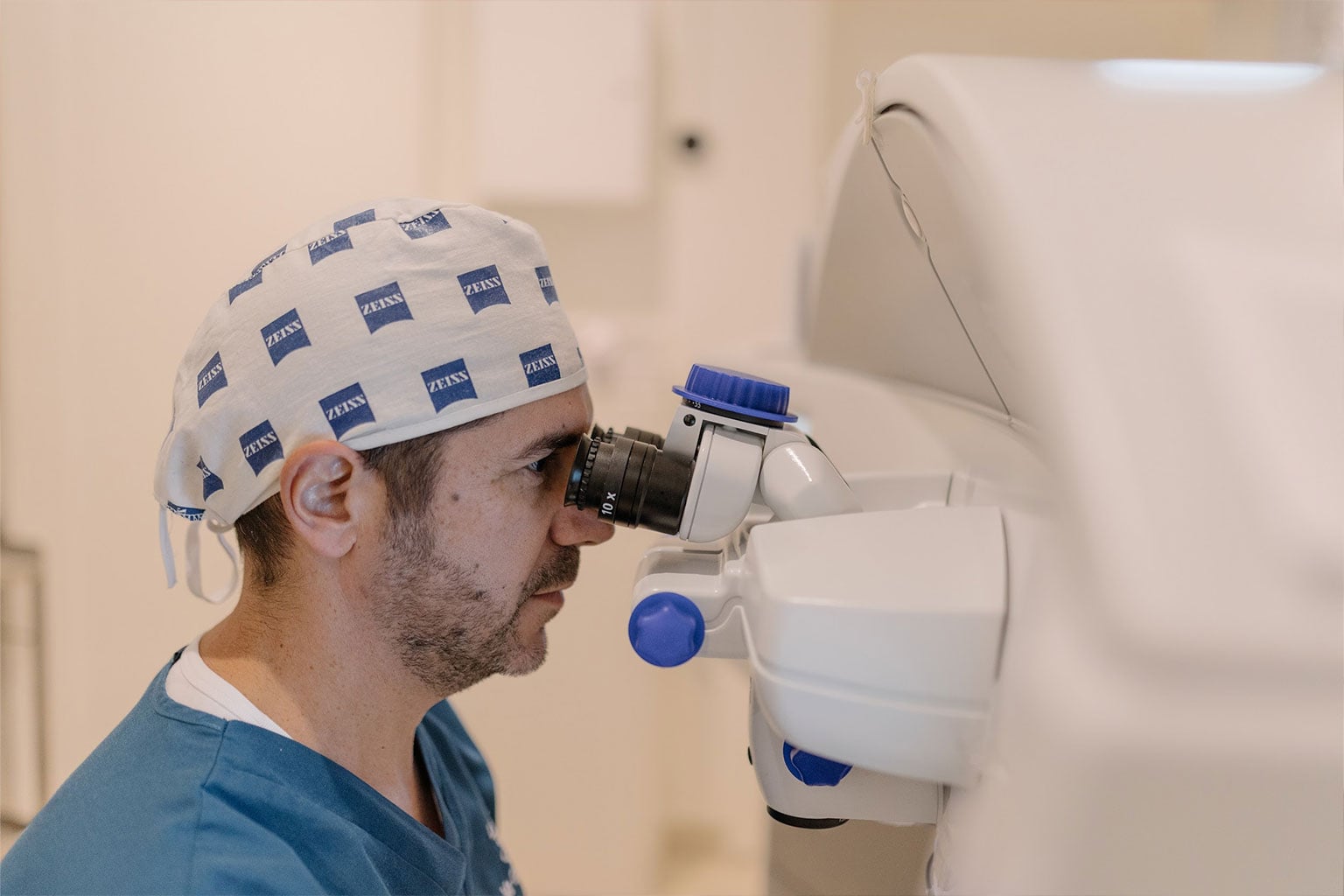
It is completely normal to feel nervous on the day of surgery. By this stage, however, your eyes have already been measured, examined and planned in exceptional detail. Before treatment begins, your surgeon carries out final checks and confirms the personalised settings created for each eye.
The treatment itself is usually very quick. Your surgeon will talk you through the process so you know what is happening at each stage. You may feel gentle pressure for a few moments, but the procedure should not be painful. Modern laser systems also track eye movements continuously, helping the laser remain accurately aligned throughout treatment.
Many patients notice an immediate difference when they sit up, although vision is often misty at first. Over the following hours and days, the eyes begin to settle and visual clarity continues to improve.
Recovery, Aftercare And Life After Glasses
After treatment, your recovery is supported by a structured aftercare programme. You will be given clear instructions, protective eye shields for sleeping and medicated eye drops to support healing and reduce the risk of infection.
Most LASIK patients experience a rapid visual recovery and many are able to return to everyday activities quickly, depending on their surgeon’s advice. Other procedures may require a longer healing period, which will be explained clearly before treatment.
As vision improves, patients often notice the small freedoms first: waking up and seeing clearly, exercising without glasses, swimming without contact lenses or simply moving through the day without constantly thinking about visual aids. London Vision Clinic remains available after treatment, giving patients ongoing reassurance and support whenever needed.
Take The First Step Towards Clearer Vision
Whether you are ready to book an assessment or simply want to ask a few questions, our Patient Care Coordinators are here to help you understand your options.
Or call 0207 224 1005 to speak with the team.