
FREE Consultation
Are you suitable for Laser Eye Surgery?
We are a world-renowned centre of excellence in laser refractive surgery. With state-of-the-art technology and highly accomplished surgeons, we can treat around 98% of those who contact us.
The chances are, you’re almost certainly a suitable candidate for laser eye surgery, even if another clinic has turned you down. But, the only sure way to know for sure if you are suitable for Laser Eye Surgery is to attend a consultation.
If you’re unsuitable, we’ll tell you
We’re always clear and up-front about what we can achieve and, if necessary, what we can’t. This isn’t just about your prescription. It’s about your lifestyle, and what you want to achieve with your correction. We give you all the information you need including alternatives to Laser Eye Surgery to make an informed decision.
Laser Eye Treatment Fees start from £2,950 per eye. Very complex treatments may cost more.
Interest-FREE finance available over THREE years, from £41 per month per eye, makes the best more flexible.
Treating Patients In Central London
At London Vision Clinic, we regularly treat patients with prescriptions that fall well outside the limits of standard laser centres. This includes very high levels of short- and long-sightedness (from around – 15.00 up to +7.25), as well as patients who also have existing ocular conditions such as amblyopia (lazy eye) or strabismus. These cases require far more than routine screening, which is why each treatment plan is built around detailed diagnostic imaging, visual performance testing and careful surgical planning.
For patients experiencing presbyopia; the natural, age-related reduction in near focusing ability, we offer advanced solutions such as PRESBYOND® Laser Blended Vision. This approach is designed to restore functional near and intermediate vision while preserving comfortable distance vision, allowing many patients to reduce their reliance on reading glasses without compromising overall visual quality.
We also treat patients who may previously have been told they are unsuitable for laser eye surgery, including those with drier eyes or thinner corneas. In carefully selected cases, keyhole SMILE Pro can be used to correct vision through a much smaller corneal incision, helping to preserve corneal strength and minimise disruption to the ocular surface. In addition, we routinely correct astigmatism, a condition where the cornea is shaped more like a rugby ball than a smooth sphere, allowing light to focus accurately and restoring sharper, more stable vision.
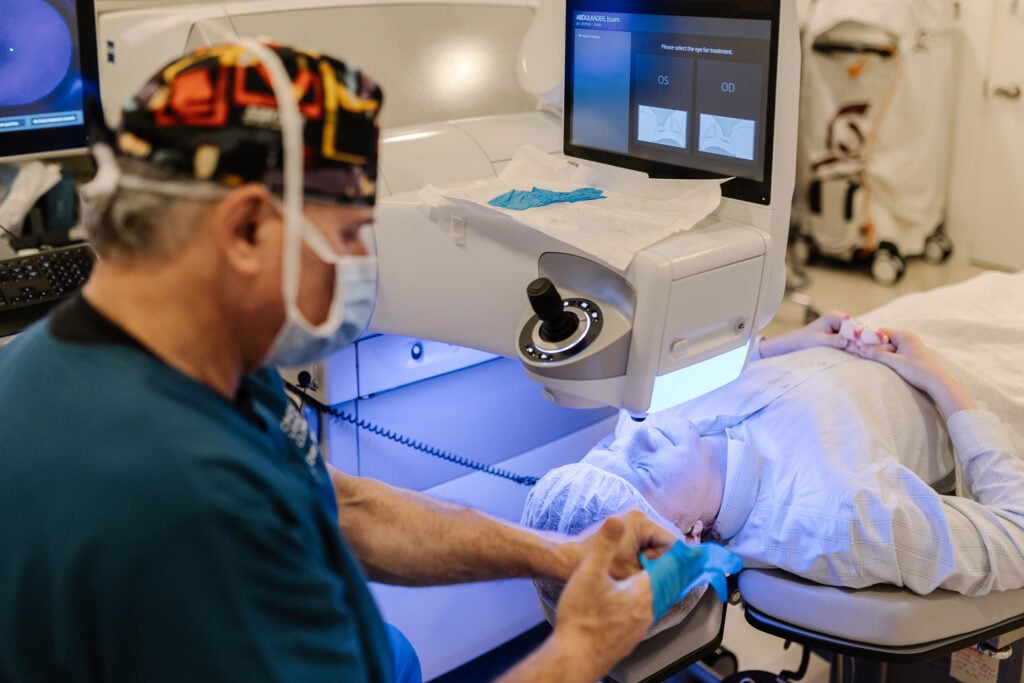
Laser
Laser eye surgery uses advanced corneal reshaping technology to correct vision and reduce dependence on glasses.
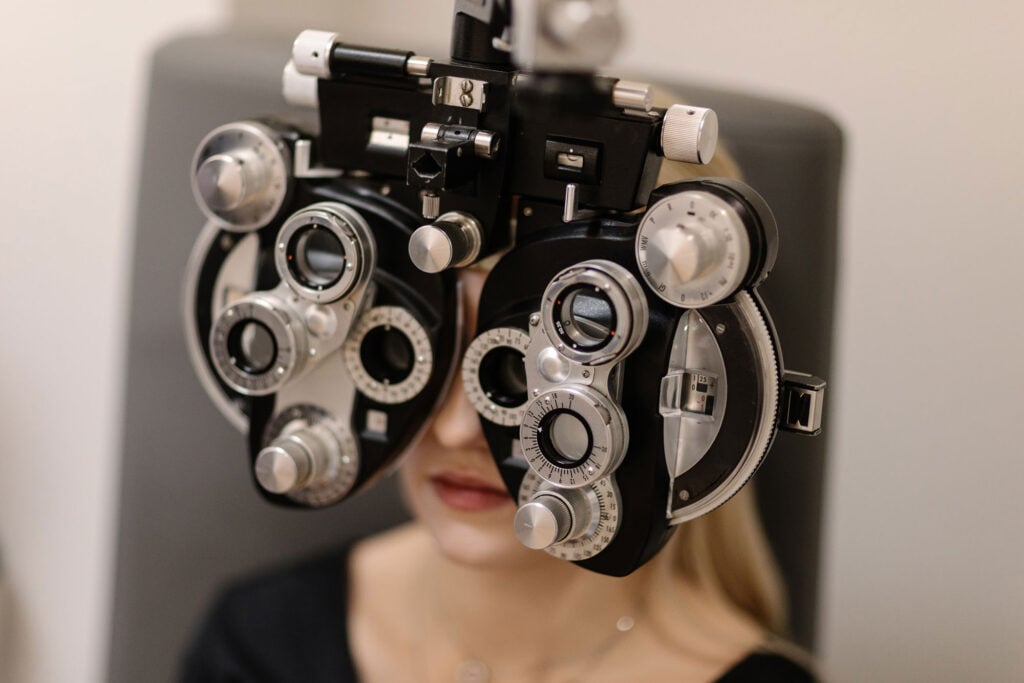
Lenses
Lens-based vision correction replaces or supplements the eye’s natural lens to restore clear vision at multiple distances.
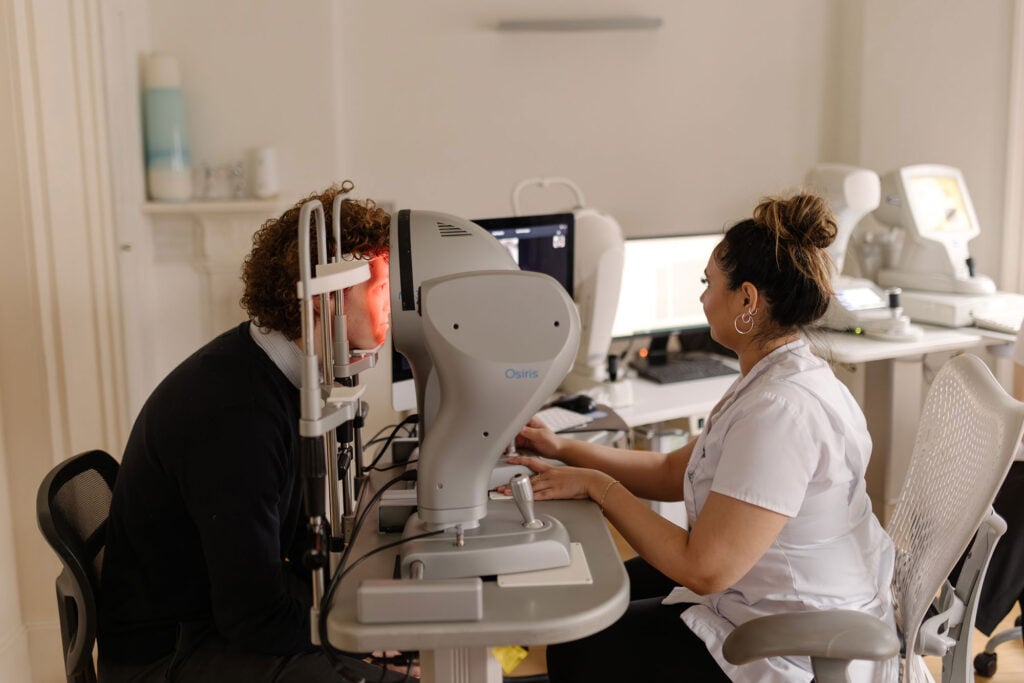
By Condition
Condition-led vision treatment targets myopia, hyperopia, astigmatism and presbyopia using modern solutions.

ICL - Implantable Contact Lenses
Implantable Contact Lenses are an advanced vision correction option that places a microscopic lens inside the eye to correct moderate to very high prescriptions without removing corneal tissue.
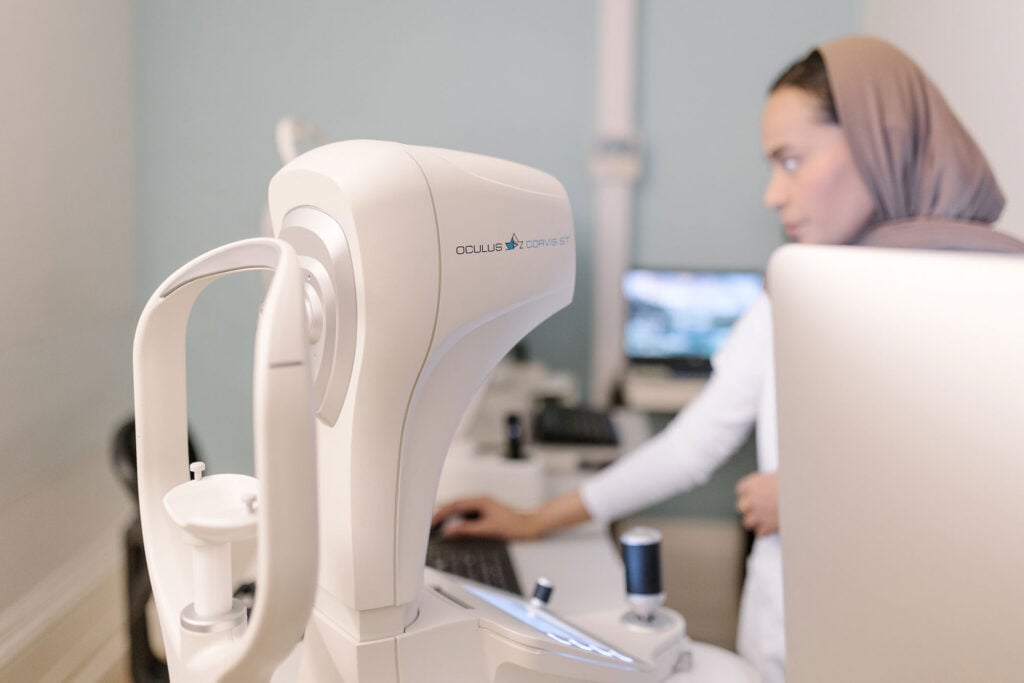
Cataracts
Cataract surgery restores clear sight by replacing the clouded natural lens with a high-precision artificial lens, improving vision, contrast and everyday visual comfort.
FAQs
Am I suitable for laser eye surgery if I’ve previously been told I’m not?
Many patients who are declined elsewhere are not unsuitable for vision correction, they are simply unsuitable for a single technique. At London Vision Clinic, suitability is assessed across multiple laser and lens-based options, using detailed corneal, biomechanical and optical profiling. This allows alternative approaches to be considered for higher prescriptions, thinner corneas or more complex visual needs.
How commoDoes being based in Central London change how suitability is assessed? is Presbyopia, and what age should you start being aware of it?
Central London patients often have higher daily visual demands; prolonged screen use, night driving, mixed-distance work and fast-paced environments. Your suitability assessment takes these lifestyle pressures into account, not just clinical measurements. Treatment planning focuses on how your vision must perform in real working and commuting conditions, not only on achieving a basic refractive correction.
Is there an ideal age range for laser eye surgery?
There is no single “best” age. Younger patients are assessed primarily for prescription stability and corneal structure, while patients in their forties and beyond are evaluated for early lens changes and presbyopia. Suitability depends far more on eye health, long-term visual planning and future needs than on age alone.
Will laser eye surgery last, or will my vision change again later?
Laser correction permanently reshapes the cornea and does not wear off. However, natural age-related changes inside the eye; particularly presbyopia and later cataract development, can still occur over time. A proper suitability assessment includes planning for these future changes, so your treatment is designed to remain compatible with any vision correction you may need later in life.