Over the last few decades, Laser Eye Surgery has become one of the most widely performed elective procedures in the world. Its growth has been driven by a combination of clinical precision, technological advancement, and the relative simplicity of the treatment experience.
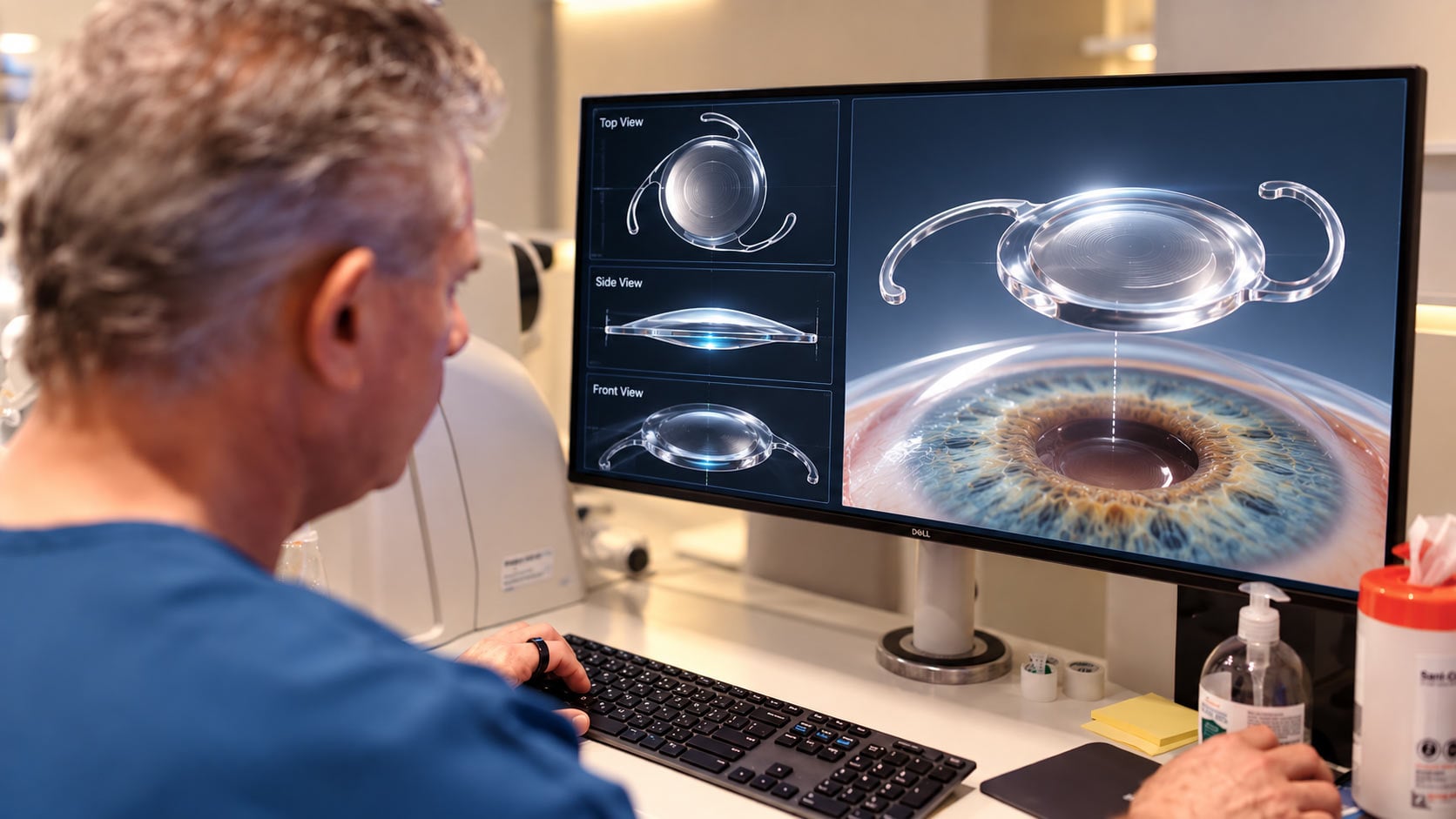
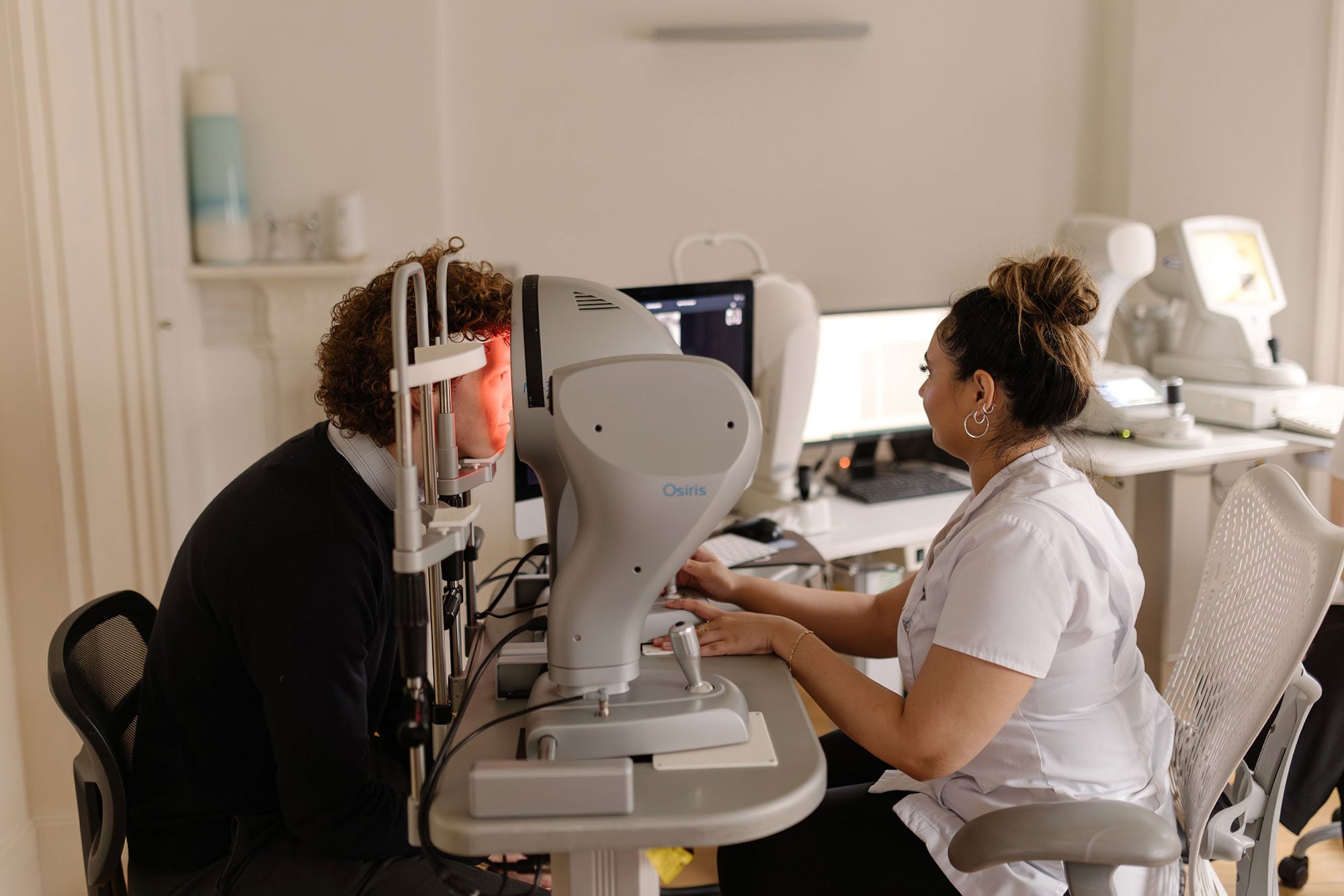
As with any well-designed medical procedure, highly complex tools and expertise come together to create something that feels straightforward for the patient. Behind the scenes, advanced laser systems and detailed eye mapping technology work together to deliver accurate, predictable results.
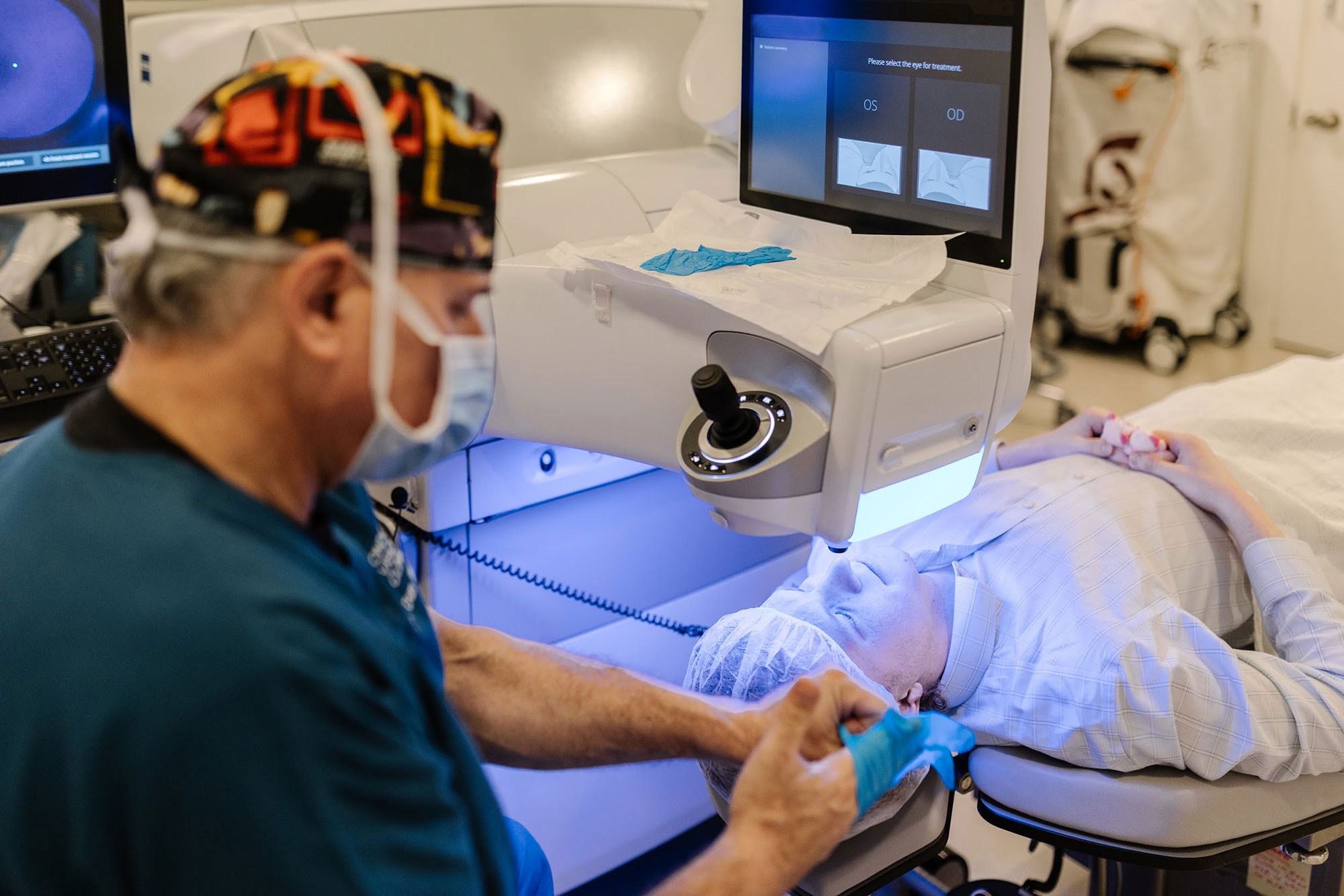
From the early days of PRK and LASEK, modern techniques have evolved significantly. Today, procedures such as LASIK and SMILE Pro offer faster treatment times, improved comfort, and quicker visual recovery. What once required longer healing periods can now, in many cases, be completed within minutes, with patients returning home shortly after.
Most patients are in and out of the clinic within a short period of time, and the procedure itself typically takes only minutes. In many cases, visual improvement begins within hours.
Despite these advances, the body’s natural healing process still plays an important role. While technology continues to improve outcomes, recovery remains a biological process that follows its own timeline.
When both eyes are treated, it is common for patients to wonder whether they will heal at the same rate. Although treated during the same session, each eye heals independently, and it is normal to notice slight differences in recovery speed or visual clarity during the first few days.
The eye’s natural healing process after Laser Eye Surgery
Following Laser Eye Surgery, the eye begins a natural healing response almost immediately. The reshaping of the cornea triggers a controlled inflammatory process, which is a normal and necessary part of recovery.
This can lead to temporary swelling and mild side effects such as light sensitivity, fluctuating vision, halos, starbursts, and dryness. These symptoms are typically short-lived and form part of the eye’s adjustment as it adapts to its new optical shape.
One of the key advantages of the cornea is its ability to heal quickly. In procedures such as LASIK, the corneal surface begins to stabilise almost immediately after treatment. In surface-based treatments like PRK or LASEK, healing may take slightly longer, but outcomes remain highly effective.
For most patients, vision improves rapidly within the first few days, with continued refinement over the following weeks as the eye fully settles.
Advances in screening and surgical planning now allow surgeons to anticipate how the eye will respond, reducing the likelihood of complications and supporting a smoother recovery journey.
Supporting a smooth and predictable recovery
While healing is largely guided by the body, there are several factors that can influence how quickly and comfortably your eyes recover.
- Individual healing response: Every patient heals differently. Age, general health, and lifestyle can all influence recovery speed. While most patients follow a similar timeline, small variations are completely normal.
- Protecting the eyes: Avoid rubbing your eyes and follow all aftercare advice carefully. Protective eyewear may be recommended in certain environments, and lubricating eye drops will help maintain comfort and support healing.
- Temporary visual fluctuations: It is common to notice slight changes in vision during the early stages of recovery. This can include brief periods where vision feels less sharp before stabilising again. This is a normal part of the healing process.
In addition to these factors, attending follow-up appointments is essential. These checks allow your surgeon to monitor healing closely and ensure your eyes are responding as expected.
Laser Eye Surgery Recovery Timeline
| Timeframe | What You May Experience | What It Means |
|---|---|---|
| First 24 Hours | Light sensitivity, watery eyes, mild discomfort | Initial healing response begins, vision may already improve |
| 2–3 Days | Vision sharpening, possible fluctuations | Cornea stabilising, brain adapting to new vision |
| 1 Week | Clearer vision, reduced irritation | Most patients return to normal daily activities |
| 2–4 Weeks | Occasional dryness or night glare | Fine visual adjustments continue |
| 1–3 Months | Stable, consistent vision | Full healing and optimal visual outcome achieved |
If you would like personalised advice about Laser Eye Surgery recovery, you can book a consultation at London Vision Clinic or speak directly with our team.
This guide has been updated to reflect modern Laser Eye Surgery techniques and recovery expectations.