For many people, the word “surgery” still brings to mind hospital wards, uncomfortable gowns, long recovery periods and an overnight stay. Modern Laser Eye Surgery, however, offers a very different experience.
Most surgery is associated with treating illness or repairing an injury, so choosing an elective procedure when you are otherwise healthy can initially feel like a significant decision. Yet millions of people around the world have chosen Laser Eye Surgery because glasses and contact lenses affect their work, sport, confidence or everyday freedom. The aim is not simply to change a prescription. It is to make daily life easier, whether that means seeing the alarm clock clearly, exercising without contact lenses or travelling without worrying about glasses.
Laser Eye Surgery has been evolving since the earliest surface treatments were introduced in the 1980s. PRK was followed by LASIK, which offered faster early visual recovery through the creation of a corneal flap. The next major development was SMILE, a small-incision procedure that reshaped the cornea without creating a flap. In 2026, the latest generation of this approach is known as SMILE Pro, combining established surgical principles with faster laser technology, highly detailed diagnostics and increasingly personalised treatment planning.
A New Era of Laser Eye Surgery
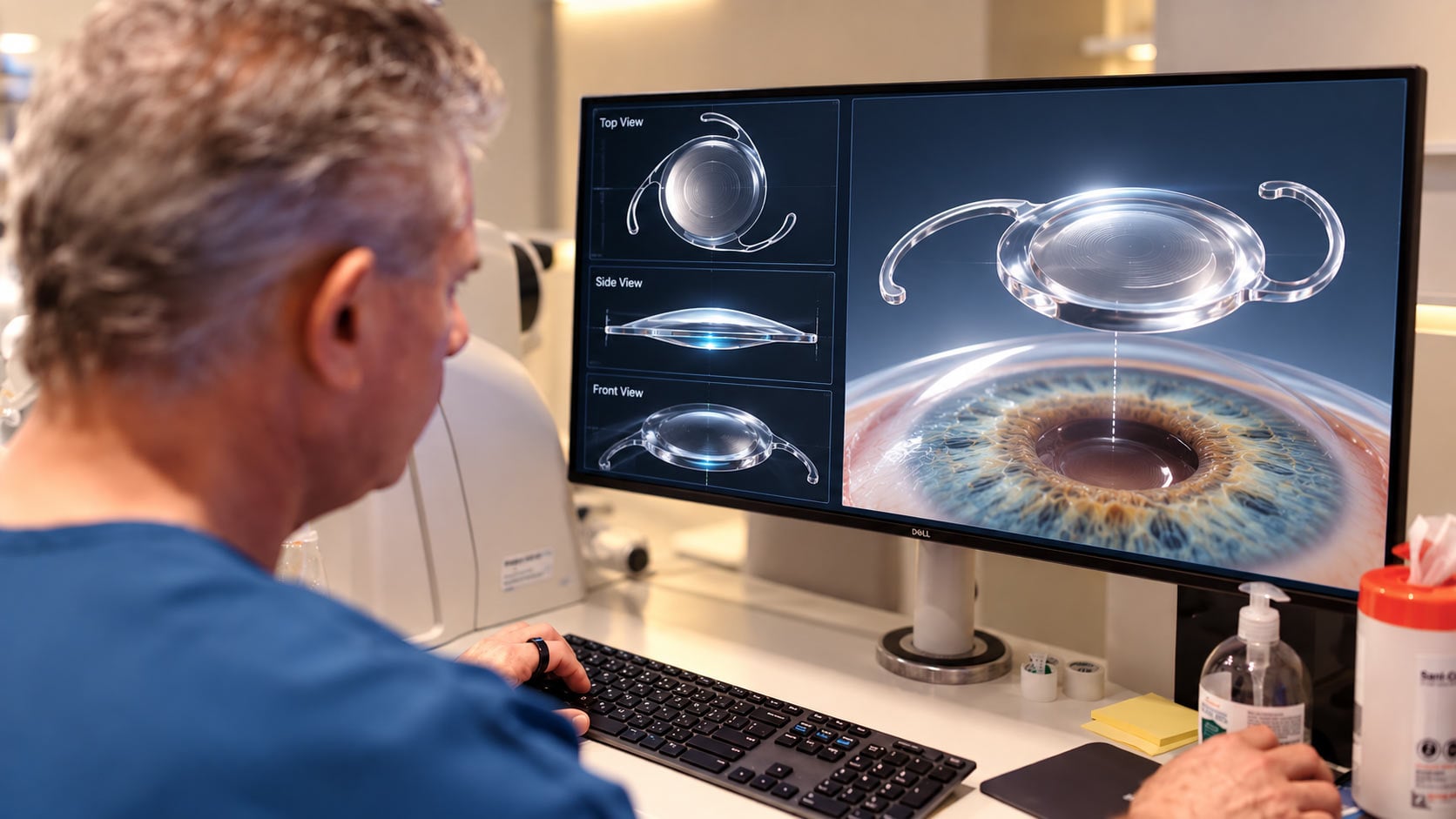
Traditional surface laser procedures such as PRK and LASEK require the outer epithelial layer of the cornea to heal after treatment. LASIK takes a different approach by creating a thin corneal flap, allowing the laser to reshape the tissue beneath it. SMILE Pro works differently from both. Instead of treating the exposed surface or creating a flap, the laser forms a precisely shaped piece of tissue, called a lenticule, within the cornea. The surgeon then removes the lenticule through a small incision, changing the curvature and focusing power of the eye.
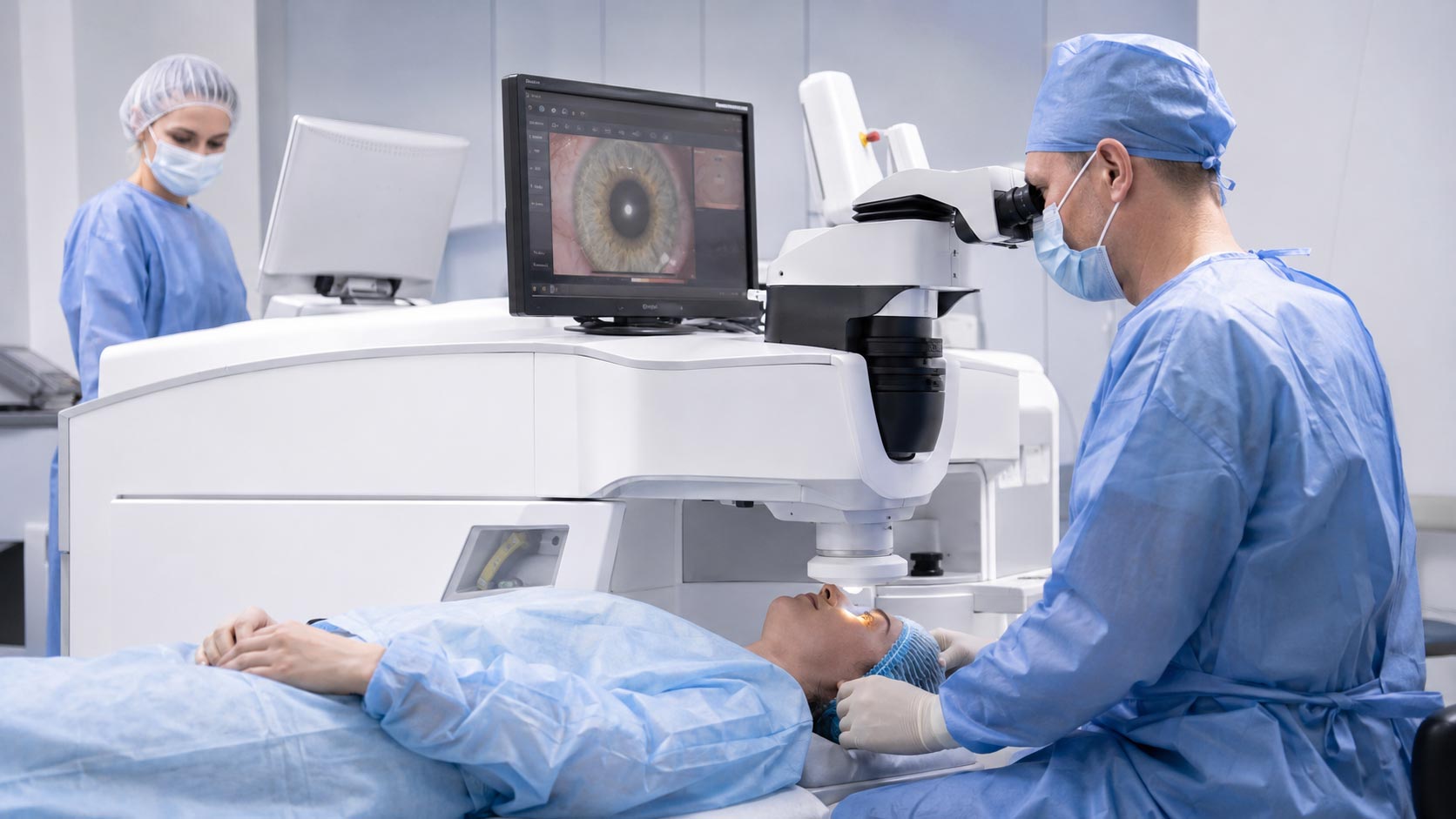
The name SMILE stands for Small Incision Lenticule Extraction. The procedure was previously widely known as ReLEx SMILE, but the latest treatment generation is now commonly called SMILE Pro. At London Vision Clinic, SMILE Pro Laser Eye Surgery in London is performed using the ZEISS VISUMAX 800 femtosecond laser. Its rapid laser application and advanced guidance features support an efficient treatment while allowing the surgeon to retain control over the most important stages of the procedure.
SMILE Pro in simple terms
The laser creates the correction inside the cornea. The surgeon removes the resulting lenticule through a small incision, reshaping the eye without creating a LASIK flap.
What Happens During SMILE Pro?
After anaesthetic eye drops have been applied, the patient looks towards a fixation light while the eye is positioned beneath the laser. The femtosecond laser delivers a carefully planned pattern of pulses within the cornea, creating the lenticule and small access incision. The surgeon then separates and removes the lenticule through that opening. The laser application itself is brief, although the complete appointment includes preparation, checks and time immediately after treatment.
No stitches are required, and the incision is designed to heal naturally. Most patients describe pressure, movement or unusual sensations rather than pain during the procedure. Vision is usually misty immediately afterwards and then improves as the cornea begins to settle. The exact speed of recovery differs between patients, which is why individual guidance and follow-up examinations remain important even when the initial improvement is rapid.
Why the Technology Matters
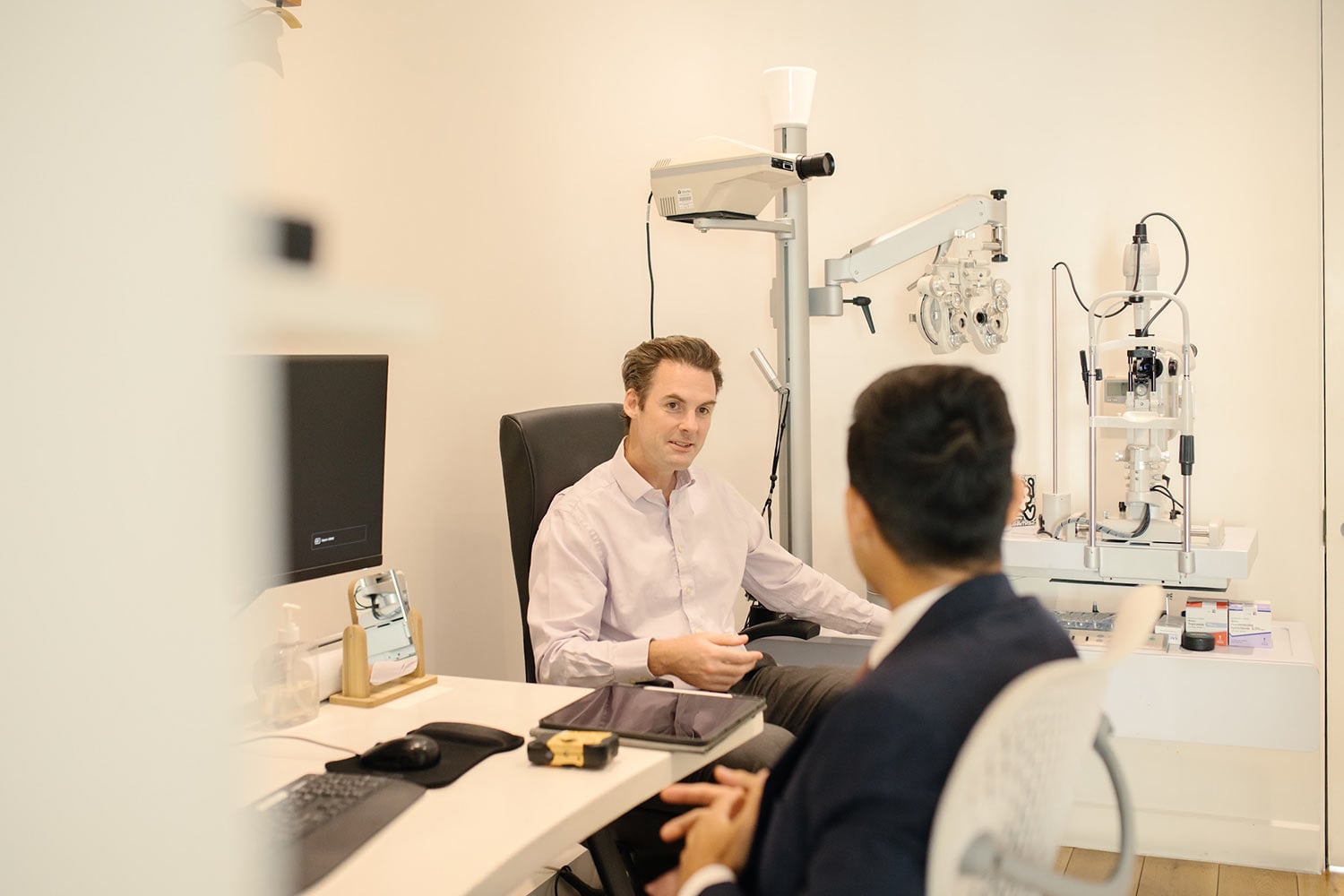
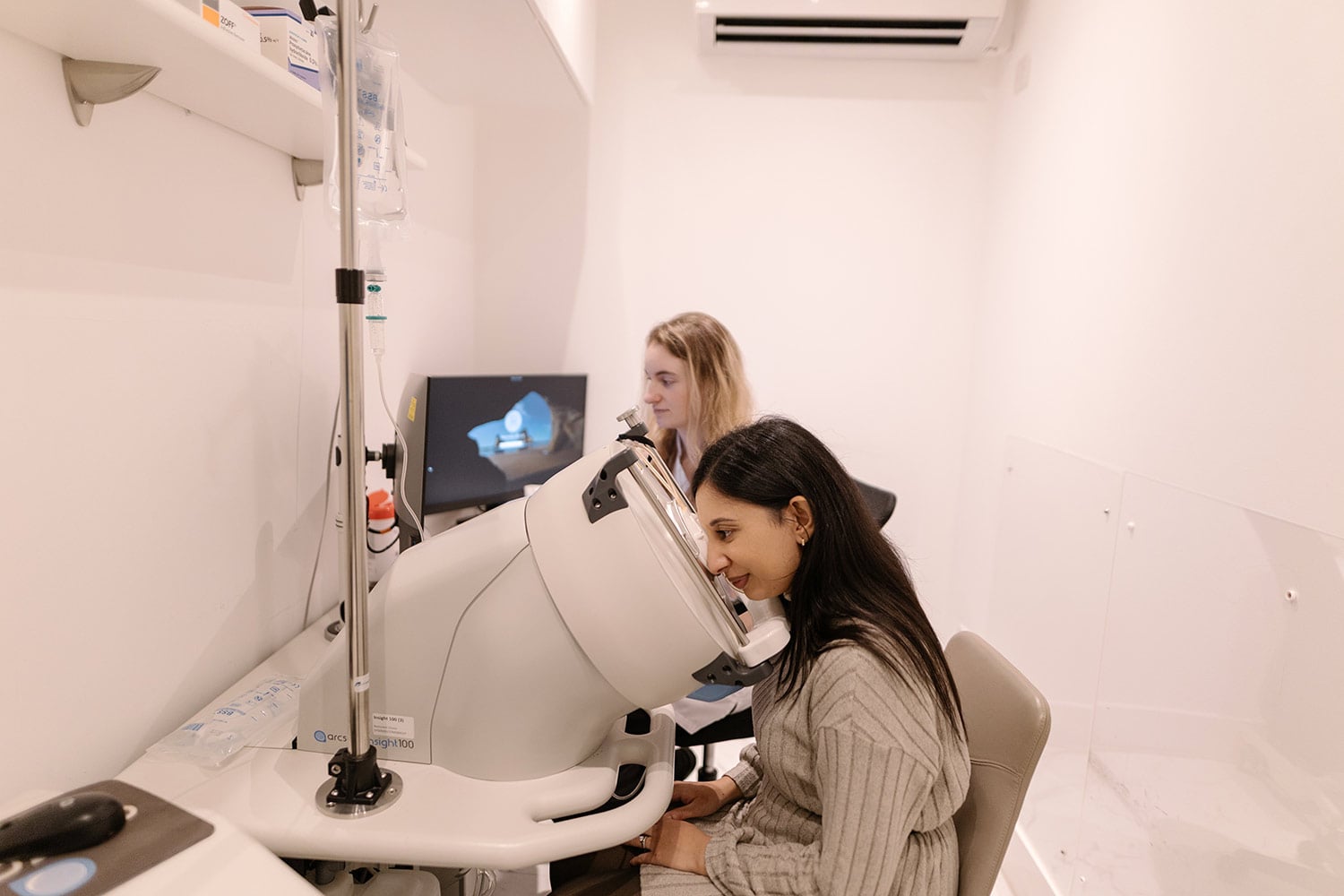
The laser is only one part of successful vision correction. Before a patient reaches the treatment room, the clinic must understand the shape, thickness, strength and optical characteristics of the cornea in considerable detail. Modern diagnostic instruments can map the front and back surfaces of the cornea, measure ocular aberrations, evaluate tear-film quality and examine how the eye performs in different lighting conditions. These findings allow the surgical team to establish whether SMILE Pro is suitable and whether another procedure may offer a safer or more appropriate result.
London Vision Clinic’s approach brings together detailed diagnostics, surgical planning and advanced laser platforms rather than relying on a single machine or headline feature. You can explore the clinic’s Laser Eye Surgery technology and see how different instruments contribute to screening, treatment and follow-up care.
The Surgeon Remains at the Centre of Treatment
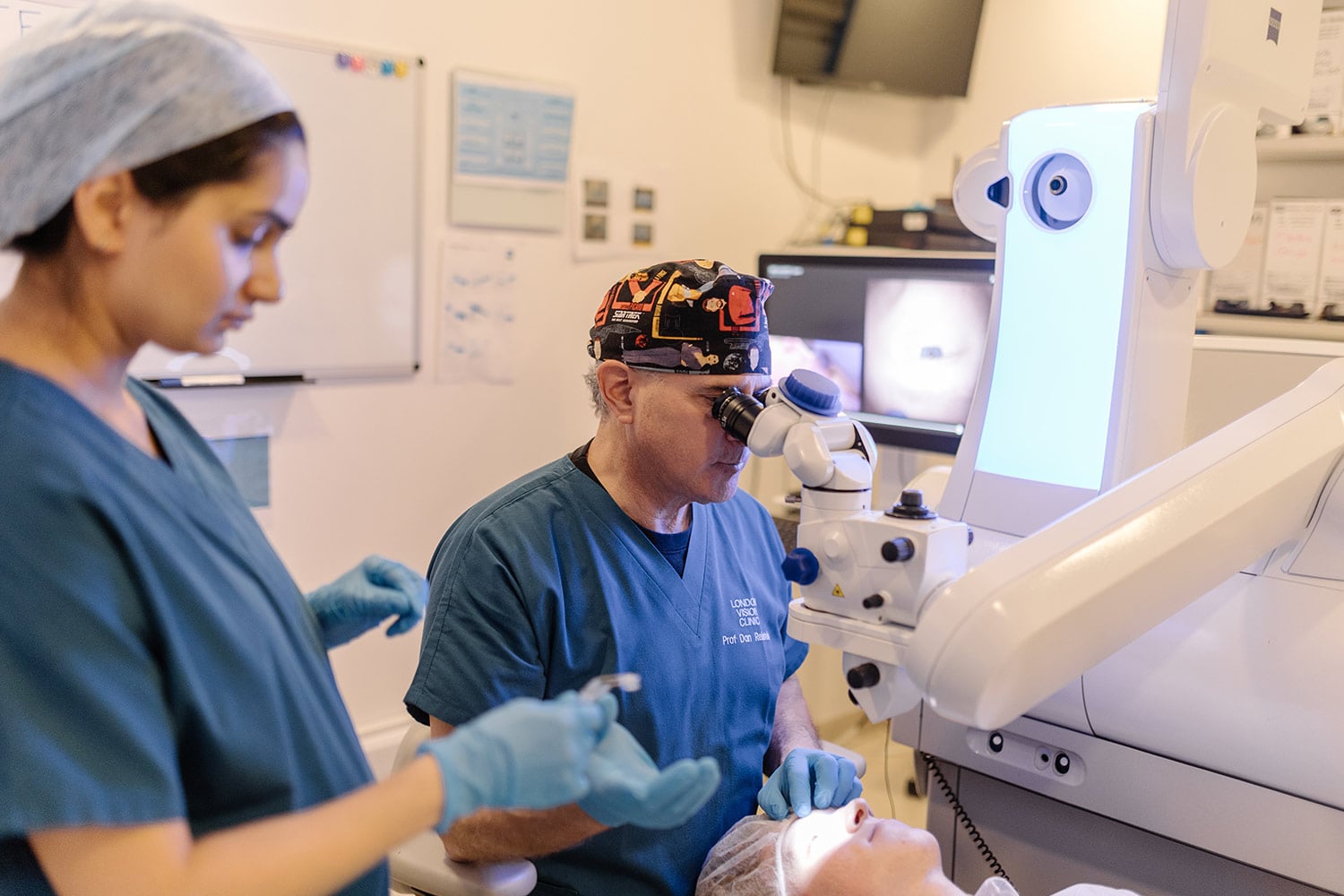
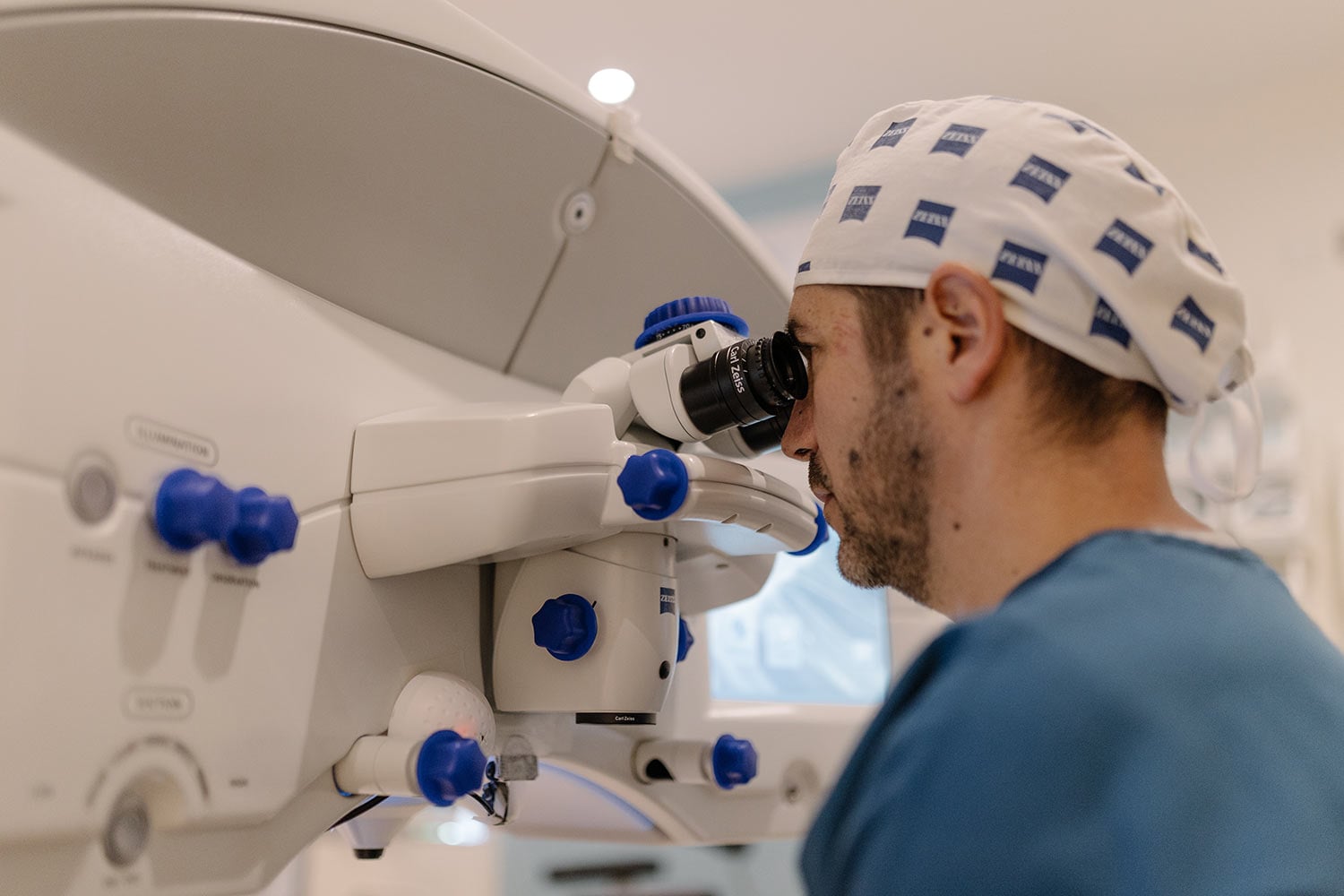
Faster technology does not remove the need for surgical judgement. The equipment can capture measurements and deliver a precisely programmed laser pattern, but an experienced refractive surgeon must interpret those results, identify subtle risk factors and decide whether treatment should proceed. The surgeon also performs the delicate manual stage of removing the lenticule and must understand how the patient’s prescription, corneal anatomy, age and lifestyle influence the treatment plan.
London Vision Clinic’s work in SMILE has been shaped by Professor Dan Reinstein, an internationally recognised refractive surgeon whose research, teaching and clinical experience have contributed to the development and refinement of small-incision lenticule extraction. He works alongside an experienced surgical and clinical team, including Dr Glenn Carp and Dr Fadi Kherdaji. This collective expertise supports careful case selection, personalised planning and access to more than one treatment approach when SMILE Pro is not the best match for a particular patient. Learn more about the clinic’s world-class expertise and surgical team.
The Benefits of a Small-Incision Approach
No Corneal Flap
SMILE Pro does not require the creation of a LASIK flap. This may be appealing to people with active occupations or sporting lifestyles where direct impact to the eye is a realistic concern. It also means there are no flap-related considerations during long-term healing. However, “flap-free” does not mean risk-free, and the procedure must still be recommended on the basis of detailed clinical measurements.
Rapid Early Visual Recovery
Many patients experience useful vision relatively soon after SMILE Pro and return to everyday activities within a short period, subject to their surgeon’s advice. Vision may continue to fluctuate or sharpen as the cornea settles, so patients should not judge the final result by the first few hours or days. Driving, work, swimming, exercise and contact sports should only be resumed according to the personalised recovery guidance provided by the clinic.
Comfort and the Ocular Surface
Because SMILE Pro uses a small incision rather than a larger corneal flap, it may disturb fewer of the corneal nerves involved in tear-film regulation. This can be beneficial for some suitable patients, particularly when compared with a flap-based procedure. Dryness can still occur after treatment, however, and existing dry eye must be identified and managed before surgery. No responsible clinic should promise that a particular technique completely removes the possibility of dry-eye symptoms.
Corneal Structure
The small-incision technique leaves much of the front of the cornea undisturbed. This structural characteristic may influence the surgeon’s recommendation for certain patients, but suitability cannot be decided from a single measurement such as corneal thickness. The complete corneal shape, prescription, tissue requirements and evidence of irregularity must all be reviewed together.
Who May Be Suitable for SMILE Pro?
SMILE Pro is principally used to correct short-sightedness, with or without astigmatism. Patients generally need to be adults with a sufficiently stable prescription and healthy eyes. Corneal shape and thickness must fall within appropriate parameters, while the ocular surface should be healthy enough to support comfortable healing and reliable measurements.
It is important to correct one of the most common misconceptions surrounding the procedure: being unsuitable for LASIK does not automatically make someone suitable for SMILE Pro. A patient may be unable to undergo LASIK because of a factor that also affects the safety of SMILE, such as an irregular or structurally vulnerable cornea. Other patients may be better suited to PRK, LASEK, an Implantable Collamer Lens or a lens-based procedure. The purpose of screening is to identify the safest appropriate option, not to make every patient fit a predetermined treatment.
What About Higher Prescriptions and Contact Lens Intolerance?
SMILE Pro can treat a range of short-sighted prescriptions and may be considered for some patients with higher levels of myopia. The exact treatment range depends on the individual eye, the laser platform and the amount of corneal tissue required to achieve the correction. Patients who are intolerant of contact lenses may also explore SMILE Pro, but the cause of that intolerance matters. If symptoms are related to significant dry eye or another ocular-surface condition, this must be investigated and treated before refractive surgery is considered.
For prescriptions outside a safe corneal laser range, an Implantable Collamer Lens may offer an alternative without removing corneal tissue. This is why access to several treatment methods is valuable: the recommendation can be based on the patient’s anatomy and visual needs rather than the limitations of a single procedure.
Illustrative prescription guide
Where Does SMILE Pro Fit?
SMILE Pro can correct a range of short-sighted prescriptions, but prescription strength is only one part of the decision. Corneal measurements, eye health and visual priorities must also be considered.
−3.00 D
−6.00 D
−10.00 D
−14.00 D
Moderate
Higher
Very high
Lower Prescriptions
SMILE Pro, LASIK or surface laser treatment may be explored after detailed testing.
SMILE Pro Sweet Spot
A broad range of short-sighted patients may be considered when the cornea is healthy and suitable.
Higher Prescriptions
The surgeon may compare SMILE Pro with an Implantable Collamer Lens before recommending treatment.
Very High Prescriptions
An ICL may avoid removing the amount of corneal tissue required for laser correction.
Prescription strength is only the starting point
Corneal shape
Tissue thickness
Tear-film health
Astigmatism
Prescription stability
Lifestyle
Important: The prescription ranges shown are illustrative rather than fixed treatment limits. Suitability and available correction ranges depend on the individual eye, the laser platform and the clinical judgement of the treating surgeon.
Aftercare Is Part of the Procedure
The result of Laser Eye Surgery is not determined only on the day of treatment. Aftercare allows the clinical team to monitor healing, check the ocular surface, measure vision and respond to any symptoms or concerns. Patients are normally provided with medicated eye drops and clear instructions explaining how to protect their eyes during the early recovery period. Follow-up appointments then allow progress to be assessed against the expected healing pathway.
London Vision Clinic places time and continuity of care around the procedure, from the initial diagnostic assessment through to post-operative reviews. Patients should understand who will be available if they have a concern, which appointments are included and how long the clinic will continue to monitor their outcome. The experiences shared in the clinic’s patient reviews provide further insight into the consultation, treatment and aftercare journey.
Measure and Plan
Detailed diagnostics establish suitability and guide an individual treatment plan.
Treat and Protect
The lenticule is created by the laser and carefully removed through a small incision.
Review and Support
Follow-up examinations monitor healing, visual progress and long-term stability.
SMILE Pro Beyond the Treatment Room
The flap-free nature of SMILE has made it a popular subject among people with active and highly visible lifestyles. Patients have included sportspeople such as skydiver Jakob and public-facing professionals such as fashion and lifestyle creator Sophie Milner. Their reasons may differ, but the shared motivation is often practical: greater freedom from glasses and contact lenses during everyday life.
Individual stories can help explain the patient experience, but they should not be treated as a prediction of another person’s result. Every prescription, cornea and recovery is different. The most meaningful indication of what SMILE Pro may achieve for you comes from your diagnostic results and a realistic discussion with your surgeon.
Is SMILE Pro the Best Laser Eye Surgery?
SMILE Pro is one of the most significant innovations in modern Laser Eye Surgery, but no procedure is universally best. LASIK remains an excellent option for many short-sighted, long-sighted and astigmatic patients, particularly where rapid visual recovery and a broader correction range are priorities. PRK and LASEK continue to be valuable when a surface-based approach is preferred, while implantable lenses may be more appropriate for prescriptions or eyes that fall outside safe laser-treatment parameters.
The best treatment is the one that offers an appropriate balance of safety, visual quality, recovery and long-term stability for the individual patient. Technology enables greater precision, but the surgeon’s interpretation of the measurements, experience with different techniques and willingness to recommend no surgery when necessary remain just as important.
Laser Eye Surgery in 2026
After more than four decades of development, Laser Eye Surgery bears little resemblance to the traditional idea of a hospital operation. Treatment is typically performed as a day procedure using anaesthetic eye drops, sophisticated diagnostic planning and highly controlled laser technology. SMILE Pro has advanced that journey further by allowing suitable prescriptions to be corrected through a small incision without creating a flap.
Its development is not simply a story about making surgery faster. The more meaningful progress lies in how technology, research, surgeon experience and structured aftercare work together. For patients considering treatment in 2026, the question should not only be “Which laser is used?” It should also be “How thoroughly will my eyes be assessed, who will plan and perform my treatment, and who will care for me afterwards?”
Could SMILE Pro Be Right for You?
A comprehensive consultation can determine whether SMILE Pro, LASIK, surface laser treatment or a non-laser alternative is best suited to your prescription, corneal health and lifestyle.
Please note: Laser Eye Surgery is a medical procedure. Suitability, recovery and results vary between patients, and the information above should not replace a personalised consultation with a qualified eye surgeon.