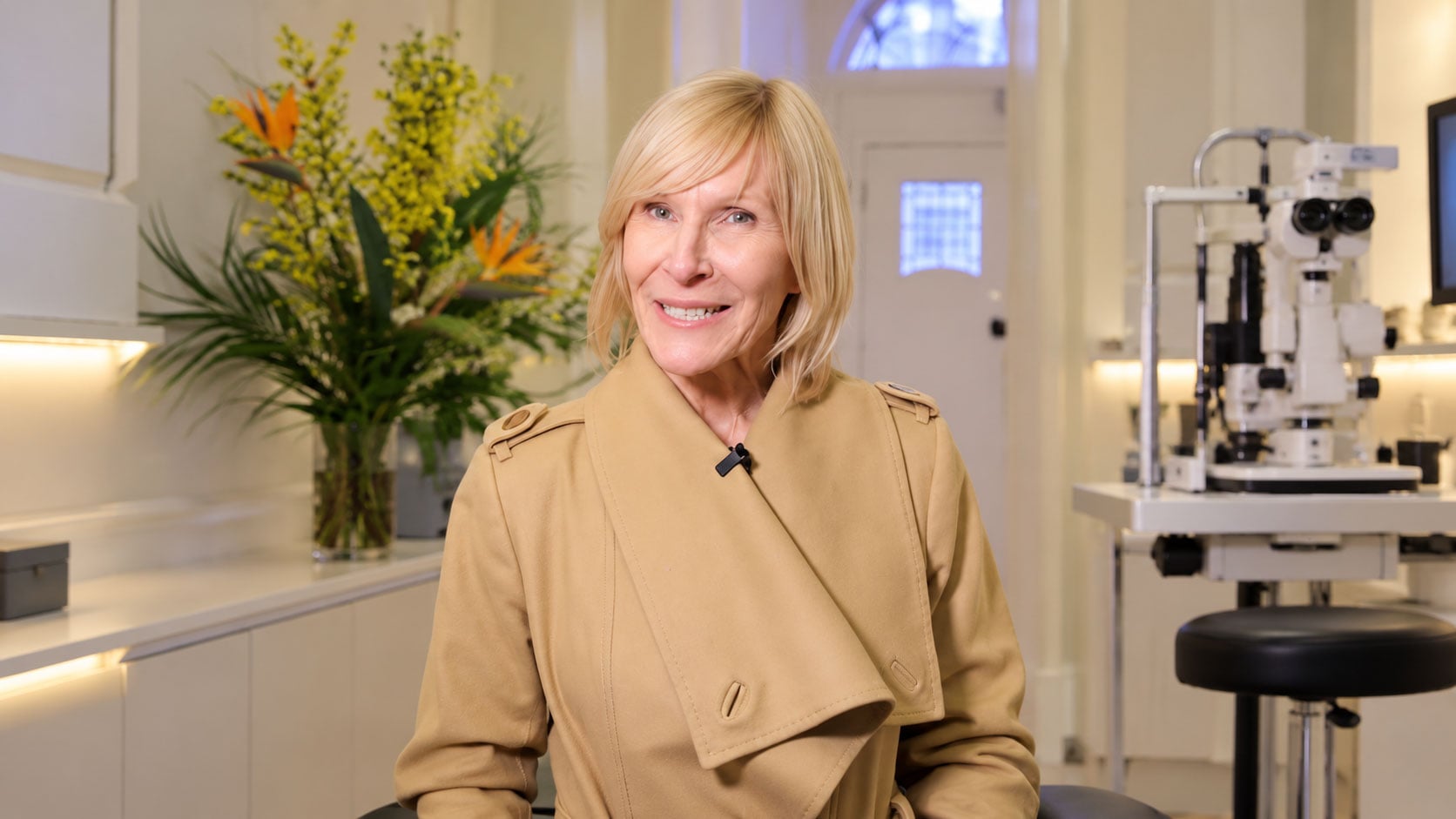
Watch Dr Yijun Cai Explain How He Protects His Eyes
In this video, Dr Yijun Cai shares the habits he follows to maintain his own eye health, drawing on his experience as an ophthalmic surgeon at London Vision Clinic. From preservative-free lubricating drops and eyelid hygiene to sunglasses, contact lens care and screen breaks, his advice offers a practical perspective on protecting our vision in everyday life. Whether you wear contact lenses, spend long hours working at a computer or are considering laser eye surgery, it’s a useful reminder that healthy eyes deserve attention long before problems develop.
Interested in learning more about your eye health or suitability for laser eye surgery? London Vision Clinic’s experienced clinical team can assess your vision, discuss your individual needs and help you understand the treatment options available.
We spend much of our lives looking after our health, yet our eyes rarely receive the same attention. We exercise, watch what we eat and try to get enough sleep, but how often do we stop to consider the small habits that might be affecting our vision? For Dr Yijun Cai, a surgeon at London Vision Clinic, looking after his eyes is part of everyday life. As someone who performs laser eye surgery and understands the delicate structures responsible for our sight, he knows that good eye health isn’t simply about having a clear prescription. It’s also about protecting the surface of the eye, maintaining healthy eyelids and recognising how our daily routines influence visual comfort.
In our latest video, Dr Cai shares the practical steps he takes to care for his own eyes. His approach is refreshingly straightforward, and much of his advice can be incorporated into everyday life.
Keeping Eyes Comfortable with Preservative-Free Lubricating Drops
Dry eyes are a familiar problem, particularly for people who spend long hours working on computers, travelling or spending time in air-conditioned environments. The discomfort can be subtle at first, perhaps a little irritation towards the end of the day or a feeling that your contact lenses aren’t quite as comfortable as they were in the morning. Dr Cai explains that he uses preservative-free lubricating eye drops when needed to help maintain comfort and moisture on the surface of his eyes.
Our tears do considerably more than make our eyes feel comfortable. They create a protective film across the cornea, helping maintain a smooth optical surface while washing away small particles and supporting the health of the eye. When the tear film becomes unstable, vision can fluctuate, and the eyes may feel gritty, tired or irritated. Lubricating drops can help relieve these symptoms, although persistent dryness should be assessed to identify the underlying cause. Preservative-free formulations can be particularly useful for people who require frequent lubrication or are sensitive to certain preservatives, but not all drops are suitable for use with contact lenses.
Why Healthy Eyelids Matter More Than You Might Think
One of the more interesting parts of Dr Cai’s daily routine is his attention to eyelid hygiene. Along the edges of our eyelids are tiny glands known as the meibomian glands. They produce oils that form an important part of the tear film, helping prevent tears from evaporating too quickly. When these glands become blocked or their secretions change, the tear film may become less stable, contributing to dry eye symptoms and irritation. Dr Cai explains that he maintains regular eyelid hygiene to help keep the eyelid margins clean and support healthy gland function.
It’s an area of eye care that many people overlook. We wash our faces every day, yet rarely think about the delicate structures around our eyelashes or the role they play in maintaining comfortable vision. For some patients, a clinician may recommend gentle eyelid cleansing, warm compresses or other treatments to help manage meibomian gland dysfunction. The most appropriate approach depends on the condition of the eyelids and the symptoms involved, and it’s important not to squeeze the glands aggressively or use unsuitable cleaning products around the eyes.
Sunglasses Aren’t Just About Comfort
There’s something reassuringly simple about Dr Cai’s next habit. When the sunlight becomes particularly bright, he reaches for his sunglasses. Most of us associate sunglasses with summer holidays or driving on sunny afternoons, but suitable sunglasses also provide protection against ultraviolet radiation, which can contribute to certain eye conditions over time. Prolonged UV exposure is associated with an increased risk of cataracts and other changes affecting the eyes and surrounding tissues.
Choosing sunglasses that provide UV400 protection or block 99–100% of UVA and UVB radiation is more important than how dark the lenses appear. A darker tint doesn’t necessarily mean better UV protection. For Dr Cai, wearing sunglasses is a straightforward way to make eye protection part of his everyday routine, particularly during bright outdoor conditions.
Contact Lenses Need a Routine Too
Contact lenses offer enormous convenience, particularly for people who enjoy sport, travelling or simply prefer not to wear glasses. However, wearing them safely requires a little discipline. Dr Cai discusses his use of daily disposable contact lenses and the importance of removing them at night. Daily disposable lenses are designed to be worn once and discarded, rather than cleaned and reused. Sleeping in contact lenses increases the risk of serious eye infections, including microbial keratitis, which can threaten sight.
It’s easy to become complacent when lenses feel comfortable, particularly after years of wearing them. Yet even experienced contact lens users need to follow the recommended wearing schedule, practise good hand hygiene and avoid exposing lenses to water. Dr Cai’s approach is a useful reminder that convenience should never come at the expense of eye health.
Giving Your Eyes a Break from Screens
Modern life places extraordinary demands on our near vision. Between computers, smartphones, tablets and televisions, it’s entirely possible to spend most of the working day concentrating on something only a short distance from our faces. Dr Cai recommends taking regular breaks when working on screens. When we’re concentrating, we tend to blink less frequently and may not close our eyelids completely with every blink, increasing tear evaporation and leaving the eyes feeling dry or uncomfortable.
Prolonged screen use can also contribute to digital eye strain, with symptoms including tired eyes, headaches and temporary difficulty maintaining comfortable focus. One practical approach is the 20-20-20 rule: every 20 minutes, look at something approximately 20 feet away for at least 20 seconds. Although evidence for this exact timing is limited, taking regular breaks and changing your viewing distance can help reduce visual fatigue. Small adjustments, such as blinking fully, positioning the screen comfortably and stepping away from your desk periodically, can make screen use more manageable.
What Does an Eye Surgeon’s Routine Tell Us About Good Eye Health?
Perhaps the most valuable lesson from Dr Cai’s video is that caring for your eyes doesn’t need to involve an elaborate routine. His approach centres on a handful of practical habits: keeping the eyes comfortable, maintaining clean and healthy eyelids, protecting against bright sunlight, using contact lenses responsibly and allowing the eyes regular breaks from prolonged screen use. These measures cannot prevent every eye condition, and they don’t replace regular eye examinations, but they demonstrate how everyday decisions can contribute to ocular comfort and help reduce avoidable risks.
For patients considering laser eye surgery, the message is particularly relevant. Understanding the health of the ocular surface and tear film is an important part of assessing suitability for treatment. Dry eye symptoms, eyelid inflammation and contact lens habits may all need to be considered before surgery. At London Vision Clinic, comprehensive diagnostic assessments help our clinical team understand each patient’s individual eye health and determine which vision correction options may be appropriate.