Trifocal Lens Exchange Surgery in London! Say Farewell to Glasses
Reading menus at arm’s length? Struggling with your phone screen? Constantly switching between reading glasses, varifocals and distance glasses? You are not alone.
For many people, vision changes begin gradually. At first, it is simply holding your phone a little further away or increasing the brightness on your screen. Then suddenly reading glasses become part of everyday life.
For patients who already wear glasses for distance vision, things can become even more frustrating. One pair for driving. Another for reading. Perhaps varifocals that never quite feel perfect.
But modern lens surgery has changed dramatically.
One Procedure. Multiple Distances.
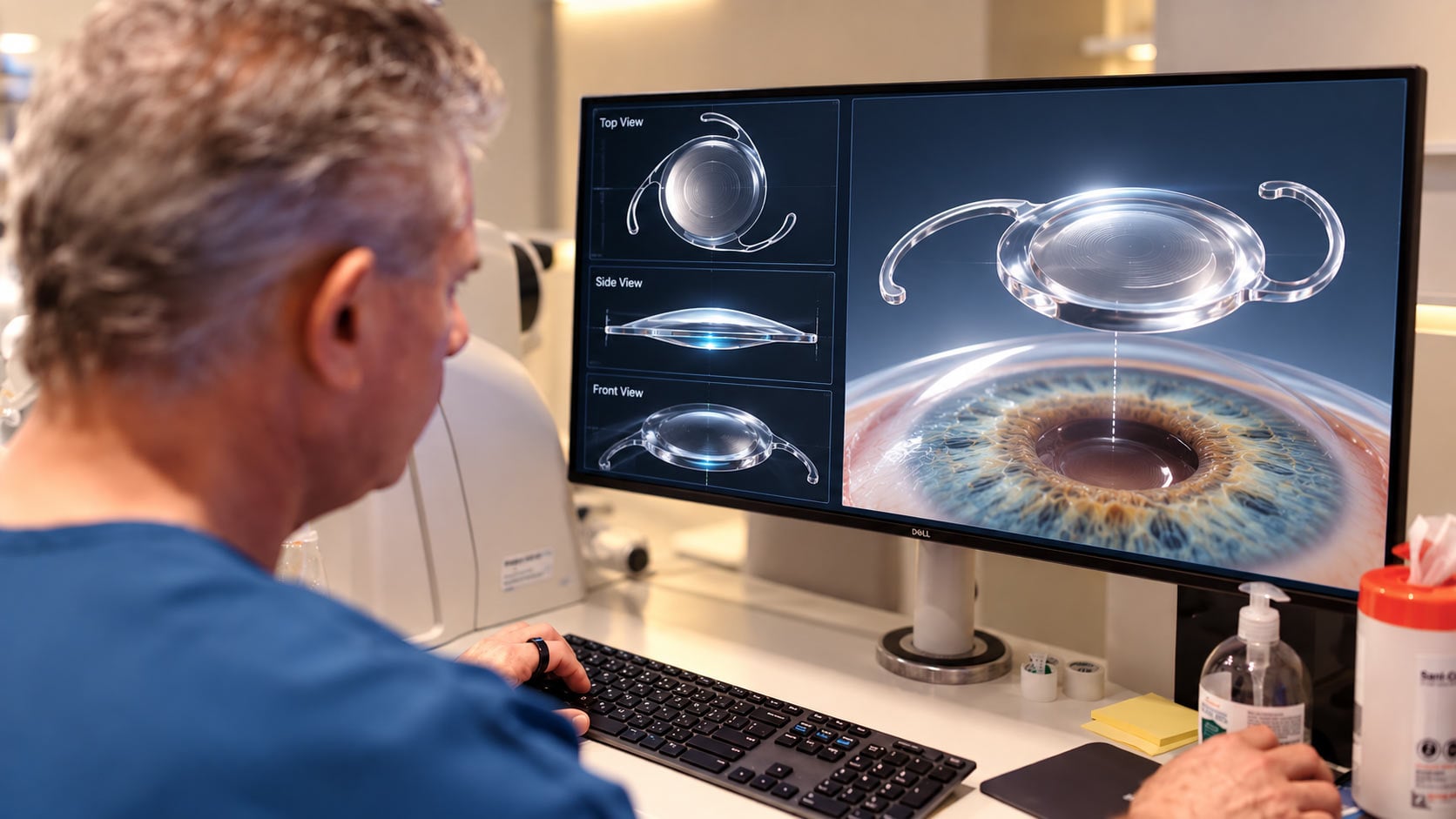
Trifocal Lens Exchange Surgery replaces the eye’s natural lens with an advanced trifocal lens designed to help patients see clearly at near, intermediate and distance ranges, often with far less dependence on glasses or contact lenses.
Trifocal Lens Exchange Surgery, also known as refractive lens exchange (RLE), is an advanced vision correction procedure designed for patients experiencing presbyopia, age-related lens changes, cataracts or higher refractive errors.
The treatment replaces the eye’s natural lens with a premium trifocal intraocular lens (IOL), allowing many patients to achieve clearer vision across multiple distances while reducing or eliminating dependence on external visual aids.
What Are Trifocal Lenses?
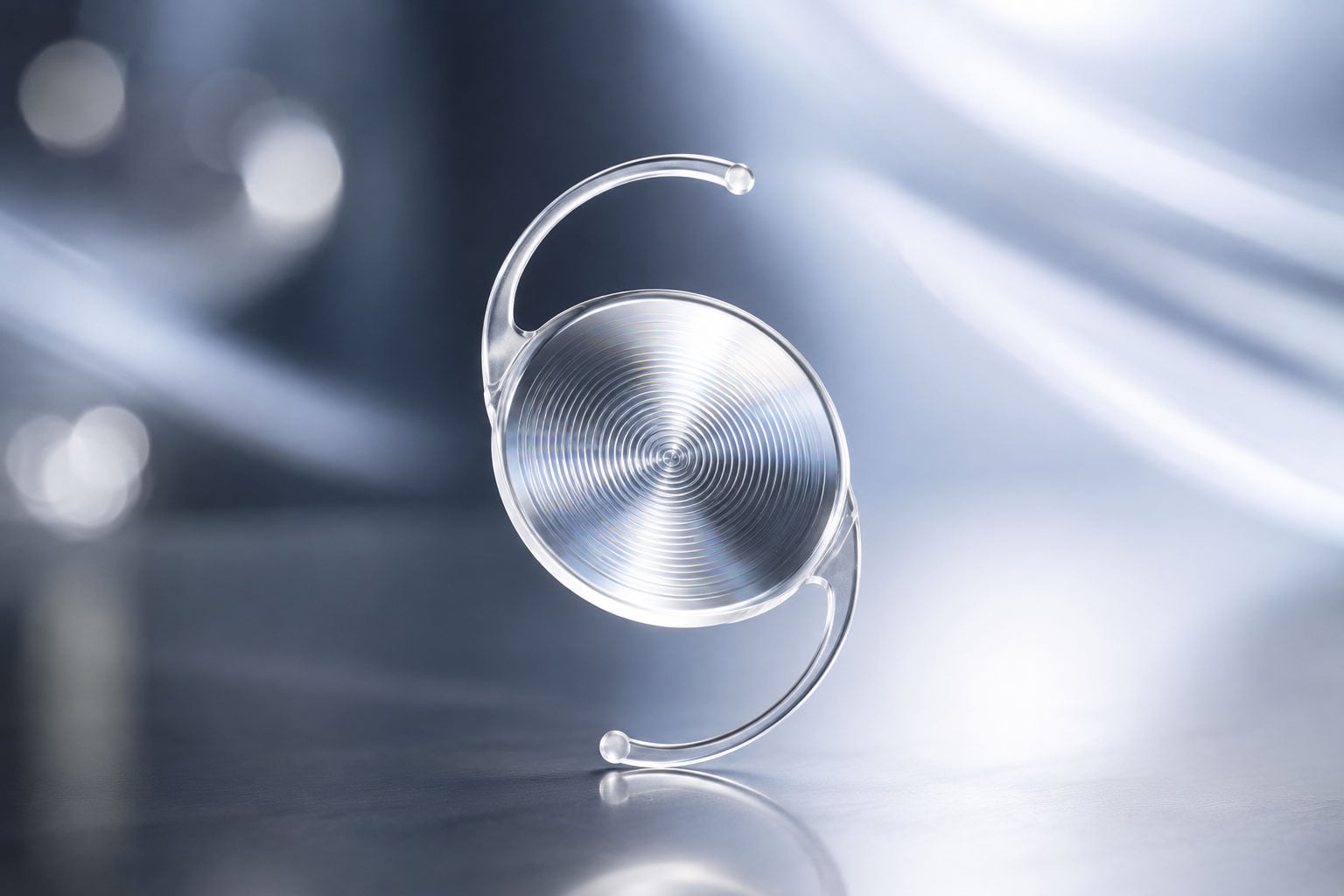
Trifocal lenses are advanced artificial lenses designed to provide vision at three focal ranges:
Near Vision
Reading, menus, books, medication labels and phone screens.
Intermediate Vision
Computer work, dashboards, kitchen tasks and office environments.
Distance Vision
Driving, television, travel and everyday distance clarity.
Unlike traditional monofocal lenses, which correct only one focal point, trifocal lenses are designed to create a smoother range of functional vision throughout daily life.
Modern trifocal optics split incoming light across multiple focal ranges, allowing the brain to adapt and combine visual information more naturally. For many patients, this creates a level of visual freedom that would previously have required multiple pairs of glasses.
Who Is Trifocal Lens Exchange Designed For?
Trifocal lens exchange is commonly recommended for patients experiencing:
- presbyopia (ageing eyes)
- early cataract changes
- dependence on reading glasses or varifocals
- high refractive errors
- contact lens intolerance
- frustration with constantly changing prescriptions
It can be especially appealing for patients in their 40s, 50s and 60s who want a more permanent vision correction solution without relying heavily on glasses.
A Long-Term Vision Correction Solution
Because the natural lens is replaced during surgery, patients who undergo trifocal lens exchange will not later develop cataracts in the treated eye.
For many patients, this makes refractive lens exchange both a vision correction procedure and a long-term investment in future visual quality.
The Trifocal Lens Exchange Procedure
Trifocal lens exchange is performed under local anaesthetic and is typically a quick outpatient procedure.
Although every patient is different, the overall treatment journey usually follows several key stages:
1. Advanced Preoperative Assessment
Before treatment, our surgical team performs a detailed analysis of your eyes using advanced diagnostic imaging and measurements.
This includes:
- corneal mapping
- pupil measurements
- eye length measurements
- tear film analysis
- retinal examination
- lifestyle and visual-needs assessment
This process helps determine which trifocal lens technology may be most suitable for your eyes and lifestyle.
2. Lens Removal
A tiny incision is made at the edge of the cornea. The natural lens is then gently broken into microscopic fragments using ultrasound technology, a process known as phacoemulsification.
The fragmented lens material is carefully removed from the eye.
3. Lens Implantation
The trifocal lens is folded and inserted through the same small incision. Once inside the eye, it unfolds naturally and is positioned securely into place.
The procedure itself usually takes around 15–30 minutes per eye, with most patients having each eye treated separately within a short timeframe.
Benefits of Trifocal Lens Exchange
Greater Visual Freedom
Many patients significantly reduce or eliminate their dependence on glasses.
Multiple Vision Ranges
Designed for near, intermediate and distance tasks throughout everyday life.
Future Cataract Prevention
Because the natural lens is replaced, cataracts cannot later develop in that eye.
Rapid Recovery
Most patients return to many normal activities within several days.
Potential Side Effects and Adaptation
Like all surgery, trifocal lens exchange carries potential risks and side effects, although serious complications are uncommon when treatment is performed by experienced surgeons.
During the early healing phase, some patients notice:
- halos around lights
- glare at night
- temporary fluctuations in vision
- dryness or mild irritation
For most patients, these effects improve as the eyes heal and the brain adapts to the new optics.
Your surgical team will discuss all risks, benefits and expectations carefully during your consultation process.
What’s the Next Step?
The best way to determine whether trifocal lens exchange is suitable for your eyes is through a detailed consultation and screening process.
At London Vision Clinic, every treatment recommendation is based on advanced diagnostics, lifestyle analysis and personalised surgical planning.
Ready to Explore Life Beyond Glasses?
Whether you are frustrated by reading glasses, tired of varifocals or exploring long-term vision correction options, our experienced team would be happy to guide you through your options.
Book your no-obligation consultation today or speak with one of our friendly clinic coordinators to learn more about trifocal lens exchange surgery.