What Are Your Implantable Contact Lens Options?
Having a high prescription can make everyday life particularly dependent on glasses or contact lenses. For some people, thick spectacle lenses, visual distortion or difficulties wearing contact lenses become increasingly frustrating. Others may have explored laser eye surgery only to be told that their prescription is too strong or their corneas are unsuitable for treatment. Fortunately, a high prescription does not automatically rule out surgical vision correction. Advances in laser technology, diagnostic imaging and implantable lens surgery mean that more complex prescriptions can now be assessed using a range of treatment approaches. At London Vision Clinic, the emphasis is on understanding the individual eye before determining which procedure, if any, offers the most appropriate balance of visual improvement and safety.
What Is Considered a High Eye Prescription?
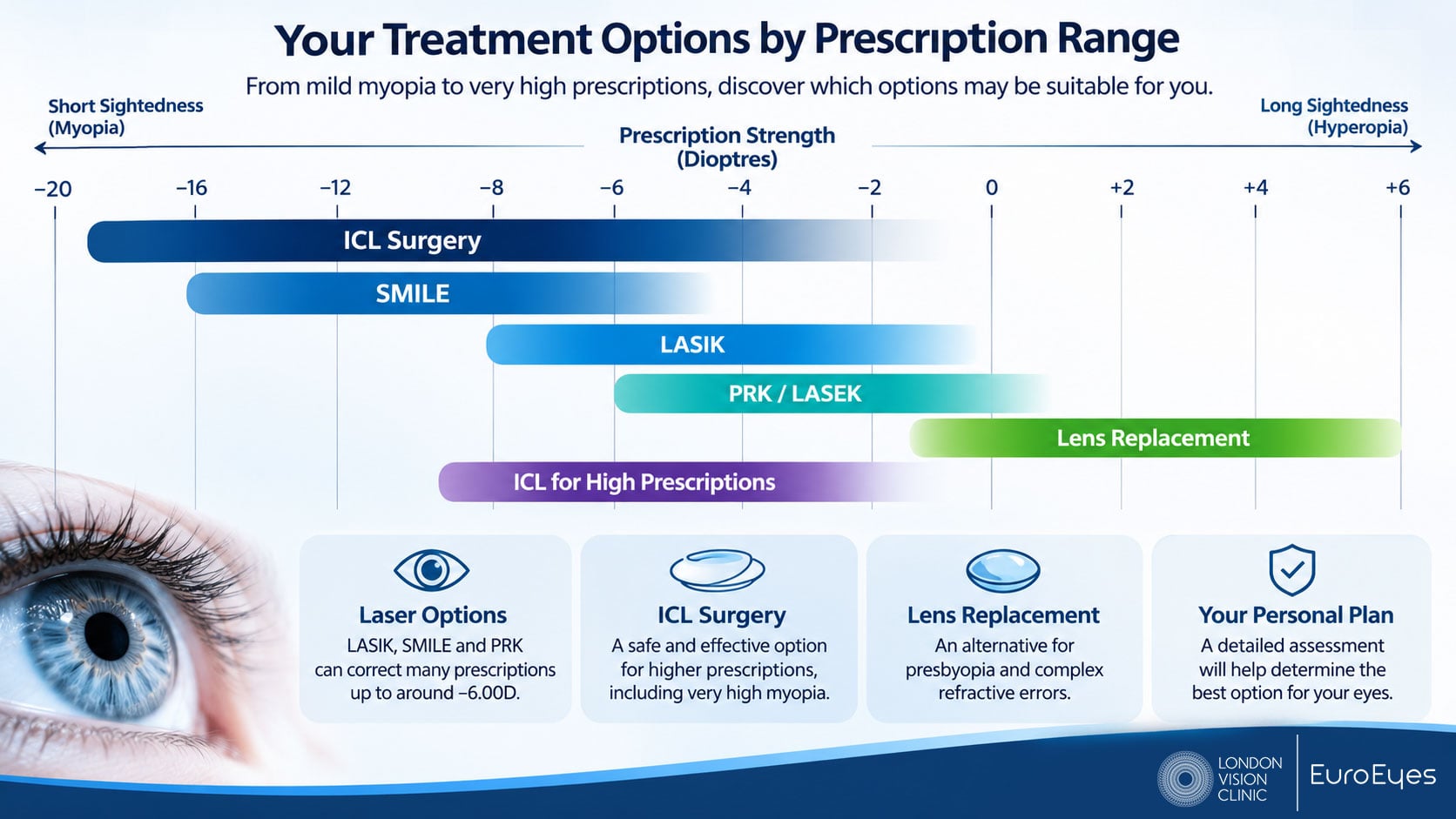
Eye prescriptions are measured in dioptres (D), which describe the optical power needed to bring vision into focus. A negative number indicates short-sightedness (myopia), while a positive number indicates long-sightedness (hyperopia). Astigmatism is recorded separately and describes an additional focusing error caused by differences in the curvature or optical power of the eye. Generally, short-sightedness of −6.00D or greater is classified as high myopia. However, this does not mean that every patient above this level requires implantable lens surgery. The suitability of laser eye surgery depends on several factors, including corneal thickness, corneal shape, prescription stability, age and the amount of tissue that would need to be reshaped.
Eye Prescription Guide
Where Do You Sit?
The following table provides a general overview of short-sighted prescriptions and the types of surgical correction that may be considered. These are illustrative prescription bands rather than fixed treatment limits. Patients with similar prescriptions may receive different recommendations following a comprehensive assessment.
| Prescription | Category | Potential Options | Considerations |
|---|---|---|---|
| −0.50 to −3.00D | Low myopia | LASIK, SMILE, PRK/LASEK | Laser treatment may be suitable if screening is satisfactory. |
| Above −3.00 to −6.00D | Moderate myopia | LASIK, SMILE, PRK/LASEK, ICL | Corneal measurements and individual visual requirements influence the choice. |
| Above −6.00 to −8.00D | High myopia | LASIK, SMILE, PRK/LASEK or ICL | Higher laser corrections require careful evaluation of corneal tissue and stability. |
| Above −8.00 to −12.00D | Very high myopia | ICL or selected specialist laser procedures | ICL becomes an important option because it does not require corneal tissue removal. |
| Above −12.00 to −20.00D | Extremely high myopia | ICL, occasionally combined procedures | Specialist assessment is essential. Lens power and anatomical suitability must be confirmed. |
| Beyond −20.00D | Exceptional prescriptions | Individualised or combined approaches | Full correction may not be possible. Highly specialised planning is required. |
Important: Prescription ranges are approximate and do not establish treatment eligibility. The availability and approved indications of individual ICL models vary. A complete eye examination is required to determine whether laser surgery, lens implantation or another approach is appropriate. The table primarily describes the spherical component of a myopic prescription; astigmatism can alter the overall correction required.
Why Can High Prescriptions Make Laser Eye Surgery More Complex?
Laser eye surgery corrects vision by reshaping the cornea, the transparent surface at the front of the eye. The greater the correction required, the more corneal tissue may need to be removed, although the exact amount depends on the treatment technique and optical treatment plan. Every cornea must retain sufficient structural strength after surgery, making detailed measurements particularly important for patients with high prescriptions. A patient with -9.00D of short-sightedness and a relatively thick, healthy cornea may have different treatment options from someone with −5.00D and an unusually thin or irregular cornea. Prescription strength is therefore only one part of the assessment. Advanced corneal imaging, optical measurements and careful surgical planning help establish whether laser treatment can be performed safely.
What Is ICL Surgery and How Does It Help?
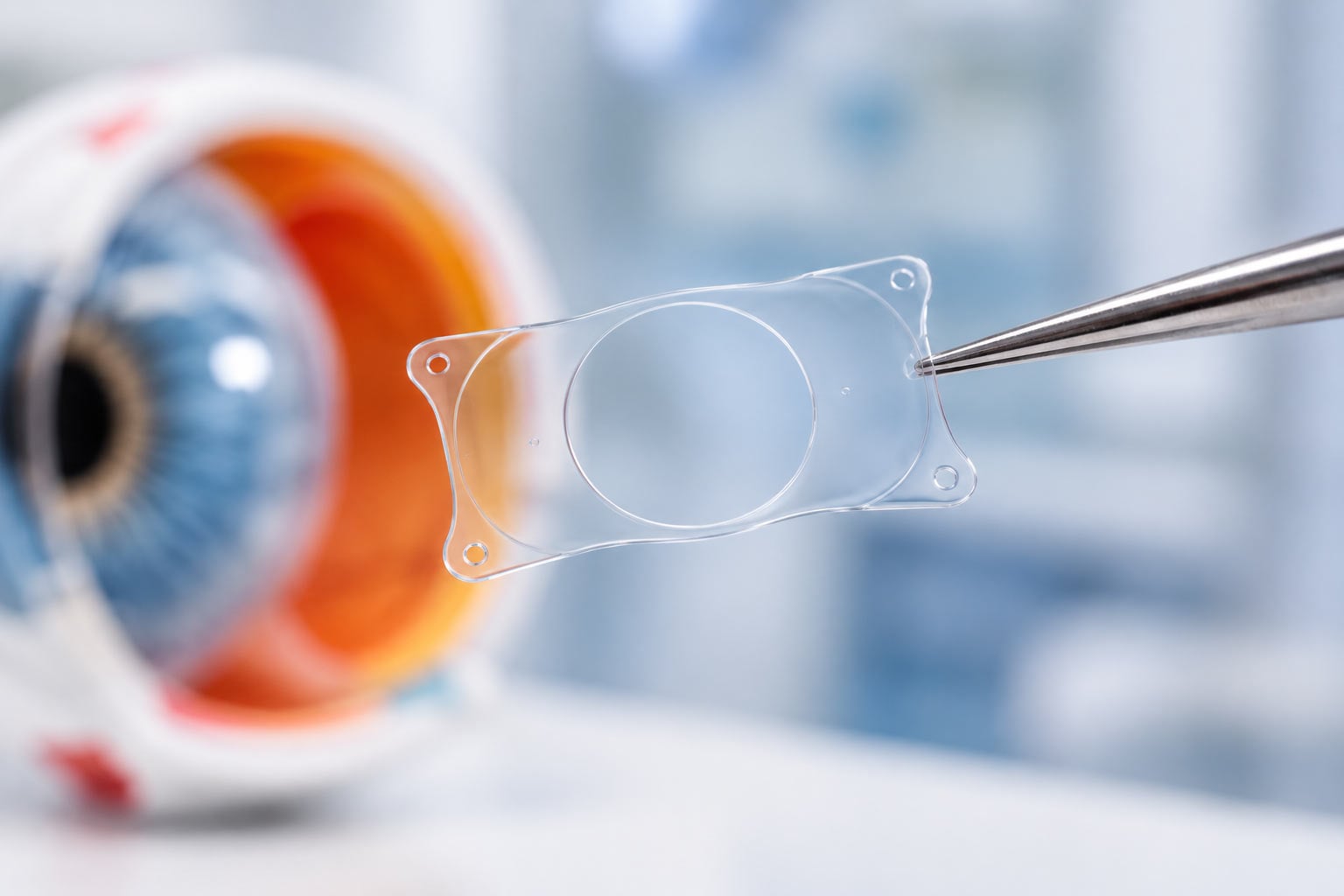
Implantable Collamer Lens surgery is a form of vision correction in which a specially designed lens is placed inside the eye, behind the iris and in front of the natural crystalline lens. Unlike LASIK, SMILE or PRK, the procedure does not rely on removing corneal tissue to correct the prescription. The implanted lens works with the eye’s existing optical system to improve the way light focuses on the retina. This makes ICL particularly relevant for patients with moderate to very high short-sightedness, including some whose prescriptions or corneal characteristics make laser surgery less suitable. Toric ICL models can also correct astigmatism. The natural lens remains in place, although the implanted lens may need to be removed or replaced in the future, and the procedure carries the risks associated with intraocular surgery.
Why ICL May Be Considered for High Prescriptions
ICL surgery can offer substantial correction of high myopia without removing corneal tissue. It may also be considered for selected patients with thinner corneas or significant astigmatism. However, suitability depends on sufficient space inside the eye, healthy internal structures, stable refraction and a detailed assessment of the retina and other ocular structures.
What About Long-Sightedness and Astigmatism?
Complex prescriptions are not limited to short-sightedness. Patients with high hyperopia, significant astigmatism or a combination of refractive errors may also require specialist assessment. The most appropriate treatment depends on the nature of the prescription, the shape of the cornea, the patient’s age and the availability of suitable lens technology.
| Vision Condition | Potential Treatment Options | Key Consideration |
|---|---|---|
| High short-sightedness | ICL or selected laser procedures | Corneal tissue, lens power and internal eye anatomy |
| High long-sightedness | Specialist laser surgery or selected lens-based procedures | Age, anterior chamber anatomy and lens availability |
| High astigmatism | Laser correction or toric lens options | Astigmatism magnitude, regularity and corneal health |
| Thin or irregular corneas | ICL in selected suitable eyes, or non-surgical management | Underlying corneal disease must be investigated |
Some lens models can address particular combinations of prescription and astigmatism, but not every model is appropriate for every eye. For patients with irregular corneas or suspected keratoconus, identifying and managing the underlying condition takes priority over elective refractive correction.
Can ICL Surgery Help if You Have Been Rejected for LASIK?
Being declined for LASIK does not necessarily mean that every form of vision correction is unsuitable. Some patients are rejected because their corneas are too thin for the amount of laser correction required, while others have prescriptions outside the treatment range routinely offered by a particular provider. In these circumstances, ICL surgery or another specialist approach may be worth investigating. However, some findings that make laser surgery unsuitable may also raise concerns about lens implantation. Conditions affecting the retina, internal eye anatomy, eye pressure or overall ocular health can influence the safety of surgery. A second opinion should therefore focus on identifying a genuinely appropriate treatment rather than simply finding an alternative procedure.
How Does London Vision Clinic Assess Complex Prescriptions?
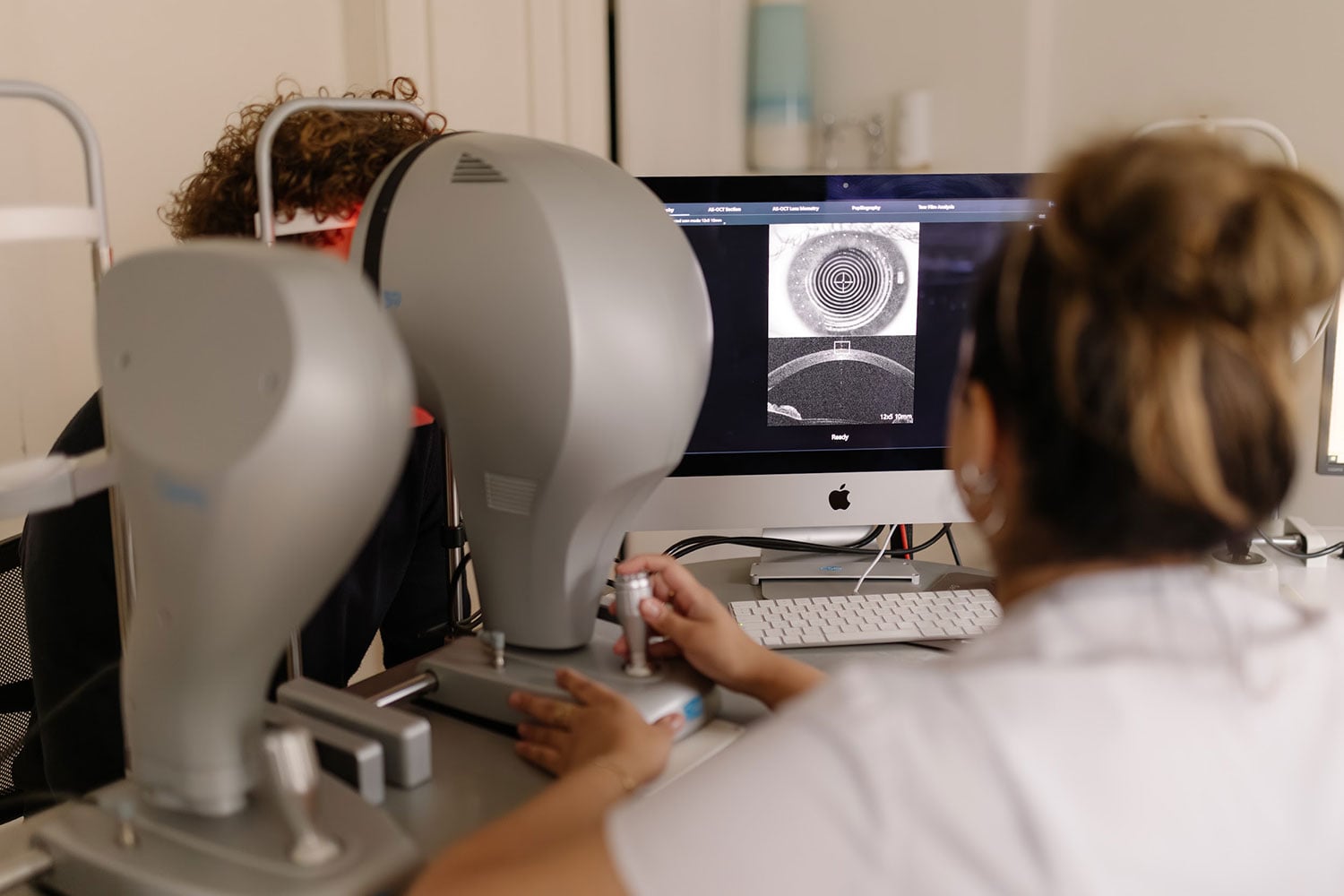
London Vision Clinic combines detailed diagnostic imaging with individualised treatment planning to assess patients with unusually high or complex prescriptions. Alongside conventional measurements, the clinic uses advanced imaging technology to examine corneal structure and the internal dimensions of the eye. These measurements help surgeons understand which treatment approaches may be possible and where additional precautions are required.
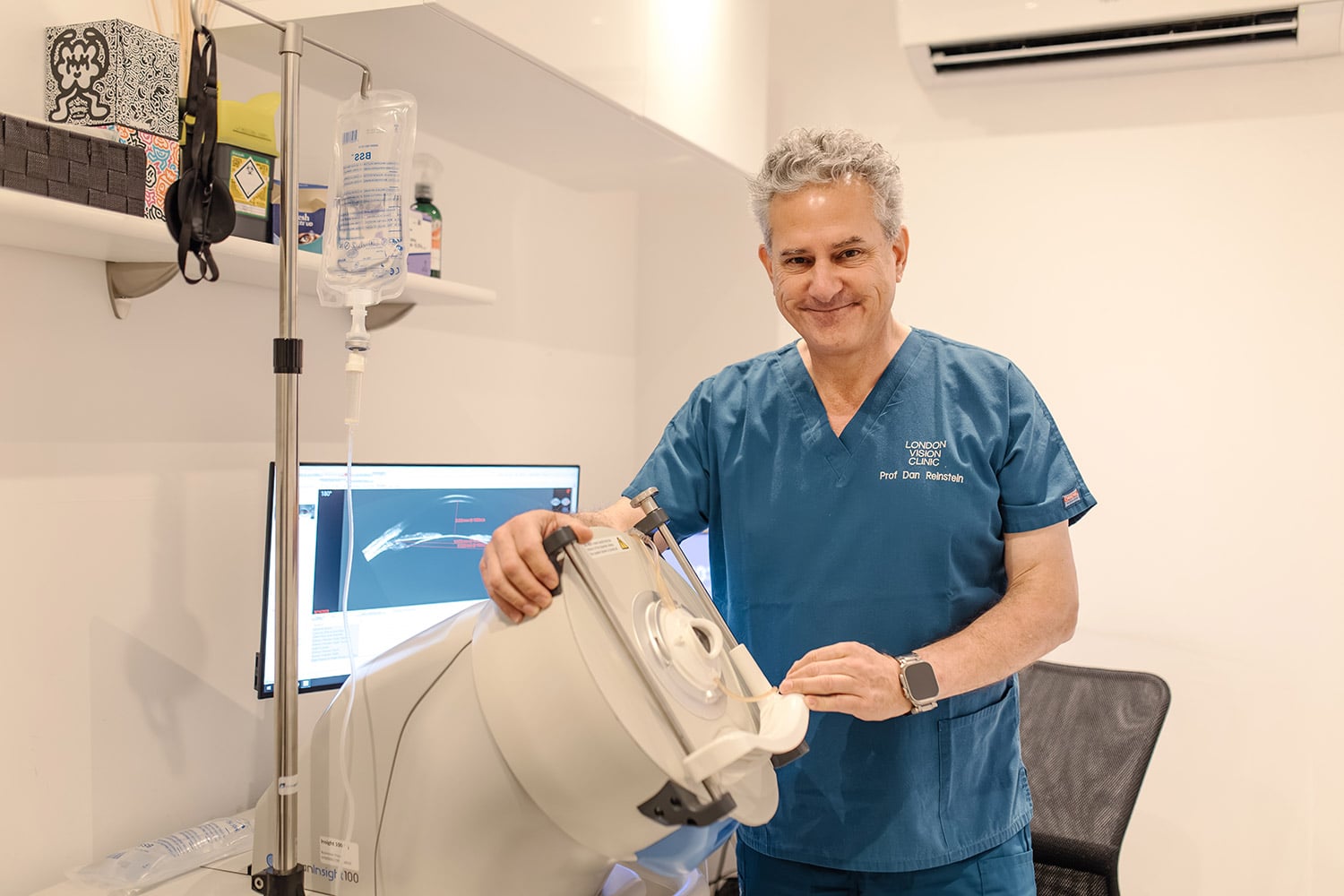
For ICL surgery, accurate lens sizing is particularly important. The implanted lens must sit in an appropriate position behind the iris, with sufficient separation from the natural crystalline lens. London Vision Clinic uses the Artemis Insight 100 VHF digital ultrasound scanner to measure internal eye structures and support the selection of an appropriate implant size. Professor Dan Reinstein and his research colleagues have contributed to the development of advanced ophthalmic imaging and refractive surgery techniques. This research-led approach is particularly relevant when conventional treatment planning may not adequately address an unusually high prescription or complex eye anatomy.
Can Laser Surgery and ICL Be Combined?
In selected cases, a surgeon may recommend a combined approach known as bioptics. This involves using an implanted lens to correct a substantial proportion of the prescription, followed by a carefully planned laser procedure to address any remaining refractive error. One particularly interesting example is London Vision Clinic’s published patient story involving an exceptionally high −33.00D prescription, where a combination of ICL implantation and specialised laser treatment was used. Such cases demonstrate what may be possible with individualised planning, although they should not be regarded as typical outcomes or evidence that every extreme prescription can be fully corrected.
London Vision Clinic has experience with complex prescriptions requiring individualised treatment strategies. However, not every prescription can be fully corrected, and the potential benefits of combining procedures must be balanced against the additional surgical risks. Some patients may achieve a worthwhile improvement while still needing glasses for particular activities.
Does a High Prescription Affect Long-Term Eye Health?
High myopia is more than a strong glasses prescription. In some patients, the eye is longer than average, which can increase the lifetime risk of conditions such as retinal detachment, myopic macular degeneration and other retinal changes. Correcting the focusing error with laser surgery or an implanted lens does not eliminate these underlying risks. Patients with high myopia therefore benefit from regular eye examinations, including appropriate retinal assessment, even after successful vision correction. New flashes, a sudden increase in floaters or a shadow across the field of vision require urgent medical attention.
Frequently Asked Questions
Is −10.00D too high for laser eye surgery?
Not necessarily. Some patients with prescriptions around −10.00D may be suitable for specialist laser treatment, while others may be better candidates for ICL surgery. The decision depends on corneal measurements, prescription stability, eye health and the proposed treatment plan.
Can ICL correct a −15.00D prescription?
ICL technology can correct or reduce very high levels of myopia, including prescriptions around −15.00D in appropriately selected patients. Whether full correction is possible depends on the lens model, the prescription’s spherical and astigmatic components, and the anatomy of the eye.
Can I have ICL surgery if my corneas are thin?
Potentially. Because ICL surgery does not remove corneal tissue, it may be considered when corneal thickness makes laser correction unsuitable. However, thin corneas can sometimes indicate an underlying condition that requires further investigation, and ICL suitability must be established independently.
Is ICL better than LASIK for high prescriptions?
Neither procedure is universally better. LASIK can provide excellent outcomes in appropriately selected patients, while ICL offers an alternative that preserves corneal tissue and can address higher prescriptions. ICL is an intraocular procedure and has different risks, including cataract formation, raised eye pressure, infection and possible additional surgery.
Can an ICL be removed later?
Yes. An implanted collamer lens can generally be surgically removed or exchanged if clinically necessary. However, removal requires another operation, carries its own risks and does not guarantee that every effect of the original surgery can be reversed.
Understanding Your Options Starts With Your Eyes
A complex prescription does not automatically prevent successful vision correction. Whether someone has −6.00D, −12.00D or an exceptionally high prescription, the most important question is not simply how strong their glasses are, but which treatment can safely address their individual visual needs.
At London Vision Clinic, advanced diagnostics and specialist surgical expertise help establish whether laser eye surgery, implantable lenses or a more individualised approach may be appropriate. Patients with complex prescriptions may also find reassurance in reading about the experiences of others, including Isabella’s journey through treatment for her high prescription. For patients who have previously been told their prescription is too high, a comprehensive assessment can provide a clearer understanding of the available options and their limitations.