Laser eye surgery is often described as a life-changing procedure, but at its core, it’s built on a simple idea, correcting vision by reshaping the surface of the eye itself.
The foundations of this concept date back to 1948, when Spanish ophthalmologist José Ignacio Barraquer began exploring ways to treat blurry vision without relying on glasses or contact lenses. Frustrated by the limitations of external correction, he developed an early surgical technique known as keratomileusis, which focused on altering the shape of the cornea to improve how light enters the eye.
This principle remains at the heart of modern laser eye surgery today.
Understanding Vision and the Cornea
To understand how laser eye surgery works, it helps to look at how the eye focuses light.
In a normal eye, light passes through the cornea; the clear, curved front surface, before being precisely focused onto the retina at the back of the eye. This creates a sharp image.
However, in conditions such as myopia (short-sightedness), hyperopia (long-sightedness) and astigmatism, the shape of the eye or cornea causes light to focus incorrectly, leading to blurred vision.
Laser eye surgery works by correcting this imbalance.
Reshaping the Eye with Laser Precision
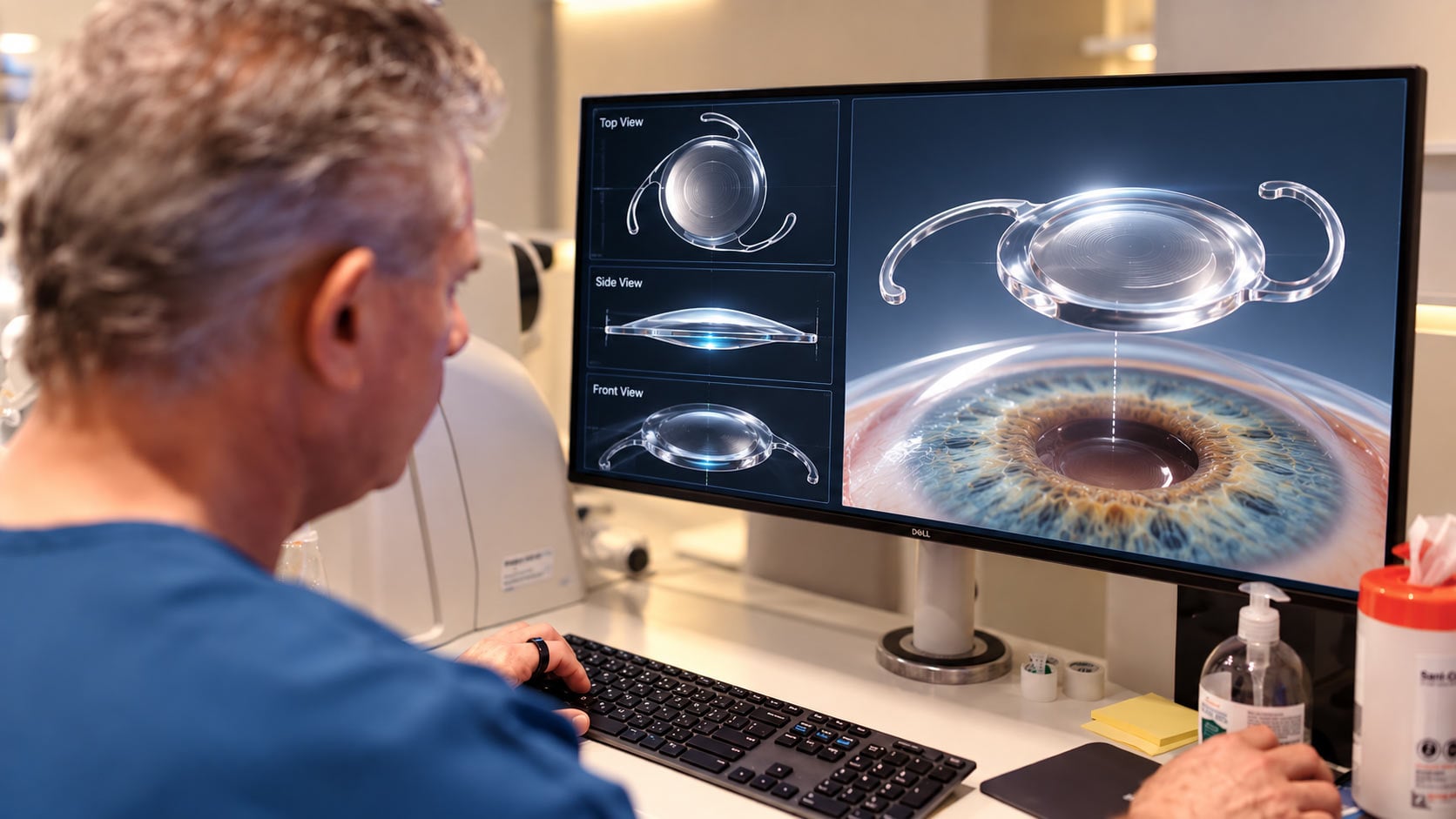
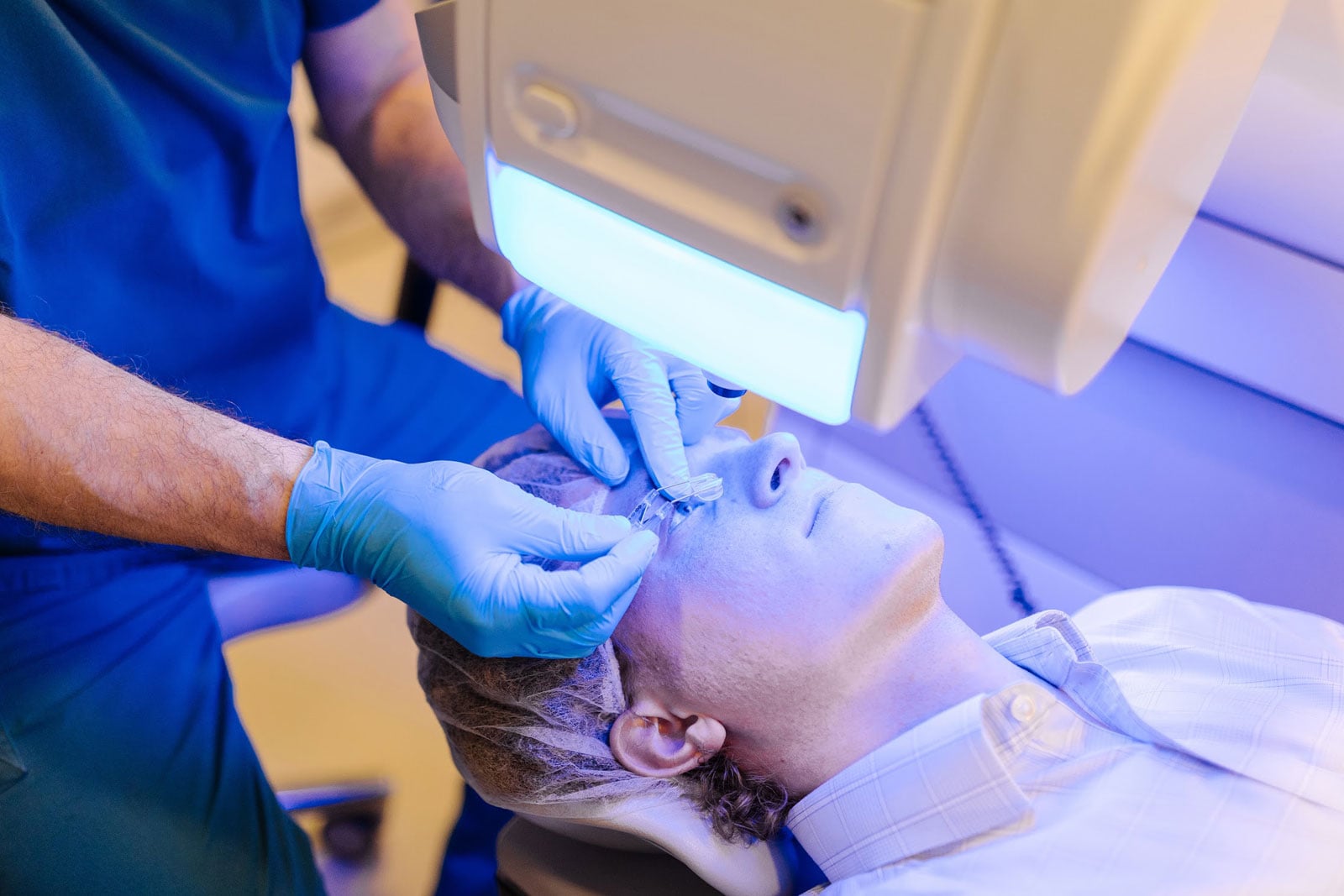
Procedures such as LASIK use highly advanced laser technology to reshape the cornea with microscopic precision. By removing tiny amounts of corneal tissue, the laser adjusts how light is bent as it enters the eye, allowing it to focus correctly onto the retina.
The procedure itself is quick, controlled and carefully planned using detailed measurements of the patient’s eye. Each treatment is personalised, ensuring the reshaping process matches the individual’s prescription and visual needs.
From Surgery to Everyday Life
While the science behind laser eye surgery is highly sophisticated, the real impact is often felt in everyday moments.
Patients frequently describe the freedom of being able to see clearly without relying on glasses — whether it’s reading small print, focusing on fine details, or simply going about daily life without constantly thinking about their vision.
As Professor Dan Reinstein explains, many people quickly adapt to their new sight. Within weeks, the change becomes so natural that they often forget they ever needed visual aids at all.
A Modern Evolution of a Simple Idea
What began as an experimental concept in the mid-20th century has evolved into one of the most precise and widely performed procedures in modern medicine.
Today, laser eye surgery combines decades of research, advanced imaging technology and refined surgical techniques to deliver predictable, high-quality visual outcomes. Yet the core idea remains unchanged — reshaping the eye to restore clear, natural vision.