
FREE Consultation
What is Myopia?
Myopia Treatment From London Vision Clinic
What You Say About London Vision Clinic
Different Types Of Myopia
There are a number of forms of myopia, but the most common are physiological myopia, pathological myopia, and acquired myopia.
Physiological myopia is by far the most common form of short-sightedness. It is a simple mismatch between the length of the eyeball and the focusing power of the lens and cornea. Physiological myopia normally begins to develop in childhood between the ages of five and ten but continues to worsen until the eyes stop growing.
Pathological myopia is much less common. It starts out as physiological myopia but does not stabilise with age. In fact, in pathological myopia, the eye continues to enlarge at an abnormal rate. This form of myopia is a complex condition and, while Laser Eye Surgery may help, effective treatment may be more complicated.
Acquired myopia occurs after infancy. It is often linked to other conditions such as uncontrolled diabetes or certain forms of cataracts.
Laser Eye Surgery Treating Myopia
The general basis of Laser Eye Surgery is the process of changing the shape of the cornea in order to allow light to be refracted into the eye more efficiently. In the case of myopic, or short-sighted, patients, the shape of the cornea is corrected to ensure that light no longer focuses too short of the retina.
There are several types of Laser Eye Surgery that can be used to treat hyperopia: LASEK/PRK, LASIK, and SMILE Pro.
All of these procedures maintain the general basis of Laser Eye Surgery; however, they access the cornea in a different way. Nonetheless, in each procedure, the surgeon will use a high-precision laser to remove corneal tissue and draw it out of the eye.
Laser Eye Surgery is, therefore, able to treat myopic patients by removing the refractive error and improving their distance vision. In the vast majority of cases. However, some patients over a certain age may also have presbyopia to contend with. If this is the case, they may also benefit from PRESBYOND® Laser Blended Vision.
Recovery After Myopia Laser Eye Surgery
Distance vision can begin improving quickly, although recovery times depend on your prescription and the treatment recommended for your eyes.
0
24 HRS
WEEK
1–4
UP
Recovery times are an average guide and vary according to your prescription, eye health and type of treatment. Patients with higher levels of myopia may have different treatment and recovery considerations. You must meet the required vision standard and receive appropriate advice before driving.
Alternative Treatment Options for Myopia
Since its conception around four decades ago, Laser Eye Surgery has become a safe and effective procedure that is suitable for many people. But there are a number of factors that can affect a person’s suitability for treatment. For example, a person’s eye health, the thickness of their cornea, dry eyes, and the presence of other health conditions must all be considered before treatment. If a patient is found to be unsuitable for Laser Eye Surgery, however, alternative treatments may be considered.
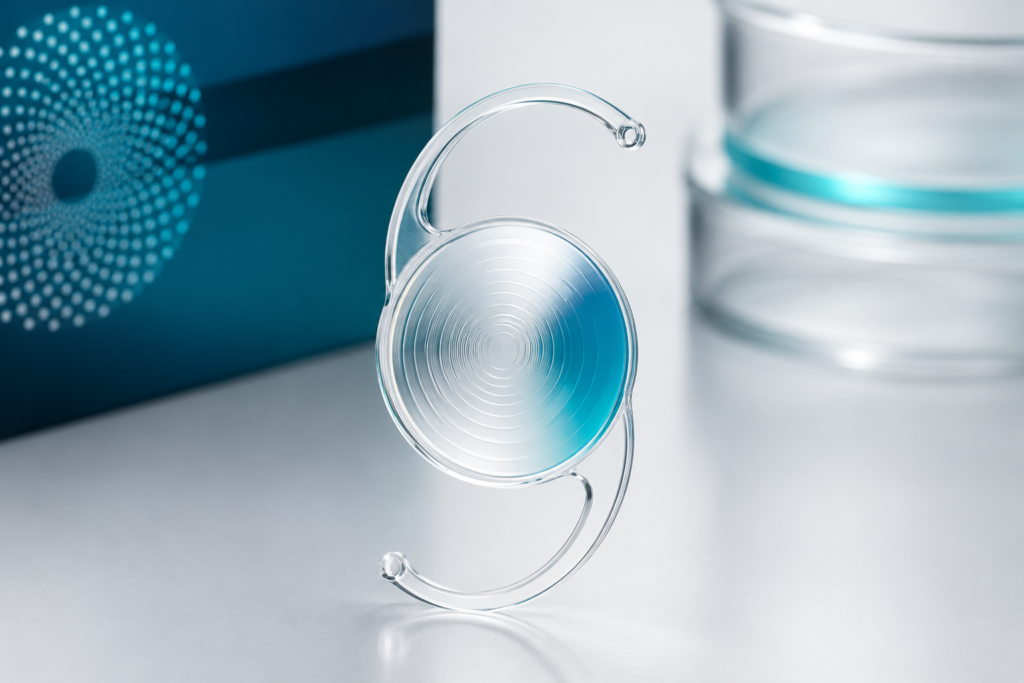
In most cases of myopia, ophthalmologists traditionally prescribe glasses and/or contact lenses. This means that Laser Eye Surgery is the ideal solution for many patients. However, in the case of extremely high prescriptions (those beyond -14 dioptres), we usually recommended intra-ocular lenses (IOLs). Intraocular lenses are artificial lenses that are implanted inside the eye, just behind the pupil. These lenses may be referred to based on the type of lens used. For example, IOLs, phakic IOLs, implantable lenses, clear lens extraction or exchange (CLE), intra-corneal lens implants, Artisan® lenses, Prelex® lenses, RLR or lens replacement surgery.
Where Are You on the Myopia Scale?
The larger the negative number, the stronger your short-sighted prescription.
Your prescription is only the starting point. Treatment suitability also depends on your age, prescription stability, corneal thickness, eye health and detailed diagnostic measurements. High myopia can also require ongoing monitoring of the retina and wider eye health.
Prescription ranges are provided as a general guide. Sources: RNIB and The Royal College of Ophthalmologists. Your surgeon will recommend the most appropriate option following a complete assessment.
FAQs
Can Laser Eye Surgery permanently correct myopia?
Laser Eye Surgery can provide long-lasting correction for myopia by precisely reshaping the cornea so that distant objects come into clearer focus. LASIK, LASEK or PRK, and SMILE may all be suitable options. Your eyes can still change naturally with age, so London Vision Clinic will assess your prescription history and confirm that your vision is sufficiently stable before recommending treatment.
What is the best treatment for myopia?
The right treatment depends on the strength of your prescription, corneal shape and thickness, age, eye health and lifestyle. Some patients are best suited to LASIK or SMILE, while those with thinner corneas may benefit from a surface laser treatment. For high myopia or patients unsuitable for corneal laser surgery, an implantable contact lens may provide an effective alternative. Detailed testing at London Vision Clinic determines which approach is safest for your individual eyes.
Can high myopia be treated at London Vision Clinic?
Many people with high myopia can still reduce their dependence on thick glasses or contact lenses. If the prescription falls outside the recommended range for Laser Eye Surgery, an implantable contact lens may be considered. This places a carefully selected lens inside the eye without removing its natural lens. Suitability can only be established following a comprehensive assessment of your prescription, corneas, eye pressure, retina and internal eye measurements.
How soon can I return to work and travel around London after treatment?
Many LASIK and SMILE patients return to office-based work and normal daily activities within a few days, although surface laser procedures generally require a longer initial recovery. You will not be able to drive home following treatment, so arrange to travel with a companion or use suitable transport. Your clinical team will provide personalised guidance about commuting, screen use, driving, exercise and returning to work.