Laser eye surgery is sometimes presented as a short procedure with a straightforward price attached. While the treatment itself may only take a matter of minutes, the quality of the outcome depends on everything that happens before, during and after those few minutes.
At London Vision Clinic, personalised vision correction begins with a detailed understanding of each individual eye. This requires time, advanced diagnostic technology and careful clinical interpretation. The information gathered during your assessment allows our team to determine whether treatment is appropriate, select the safest technique and develop a plan around your anatomy, prescription and visual needs.
This comprehensive approach contributes to the cost of treatment, but it also helps explain the difference between a standardised procedure and genuinely personalised laser eye surgery.

Why Does Personalised Laser Eye Surgery Cost More?
When comparing clinics, it can be tempting to focus solely on the advertised price. However, the procedure is only one part of the overall treatment.
The price may also reflect the depth of the diagnostic assessment, the technology used, the experience of the surgical and clinical team, the degree of personalised planning and the care provided throughout recovery.
At London Vision Clinic, treatment fees start from £2,950 per eye. Complex cases may cost more because they can require additional appointments, specialised planning or a combination of treatment techniques.
The important question is therefore not simply, “How much does laser eye surgery cost?” It is also, “What expertise, planning and long-term support are included?”
The Anatomy of Personalised Vision Correction
Personalisation is not a single scan or an optional upgrade. It is a connected clinical process in which the findings from one stage inform every decision that follows.
Listen Before Measuring
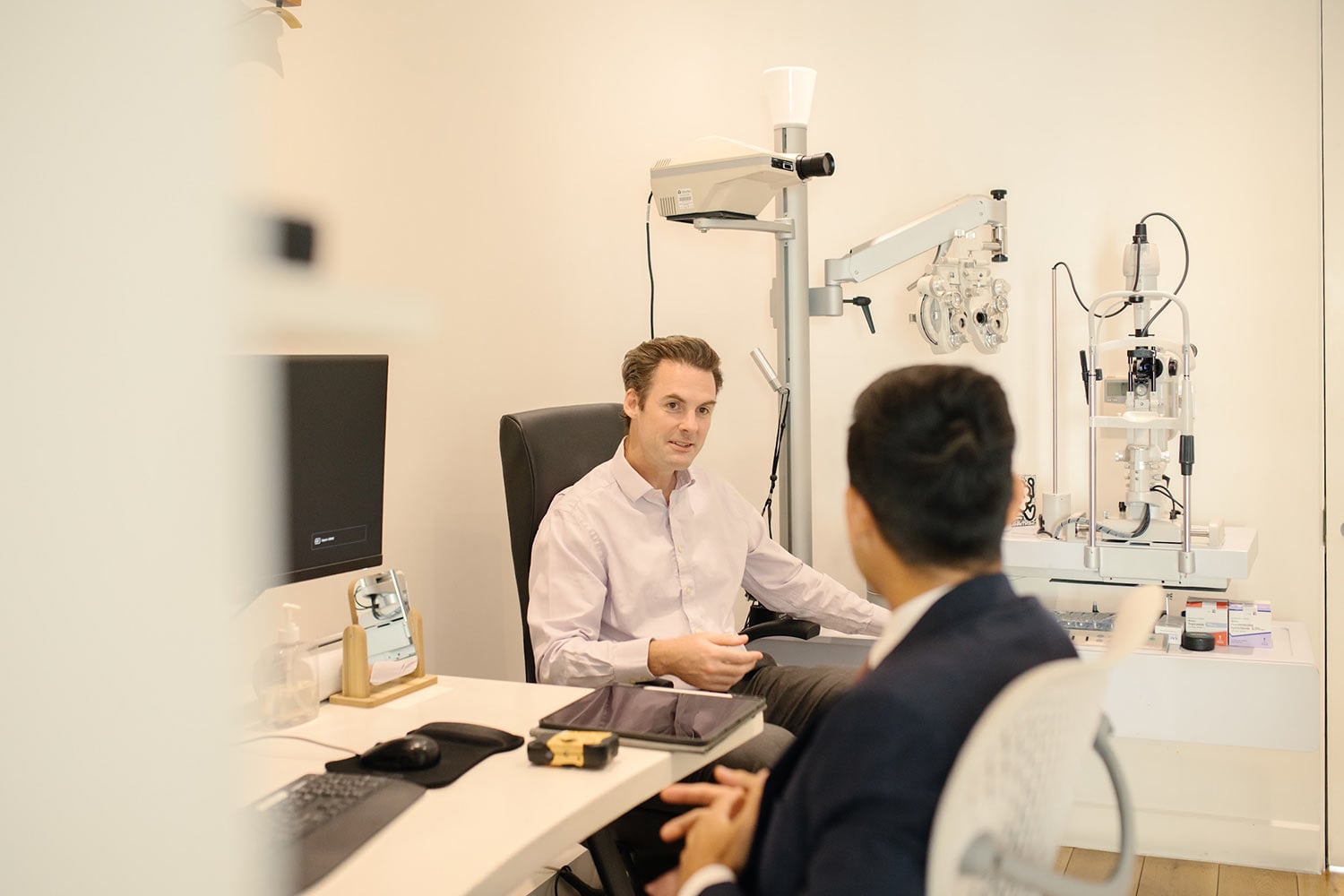
The process begins by understanding how you use your vision. Your work, hobbies, screen use, driving, sport and expectations can all influence which treatment would suit you.
Measure Beyond the Prescription
Advanced diagnostics examine the shape, thickness, symmetry and individual layers of the cornea, together with the tear film, pupil behaviour and wider health of the eye.
Interpret the Complete Picture
Measurements do not make clinical decisions on their own. Your surgeon interprets the results collectively, looking for relationships and subtle findings that could affect safety, treatment selection or the expected outcome.
Build the Treatment Around the Eye
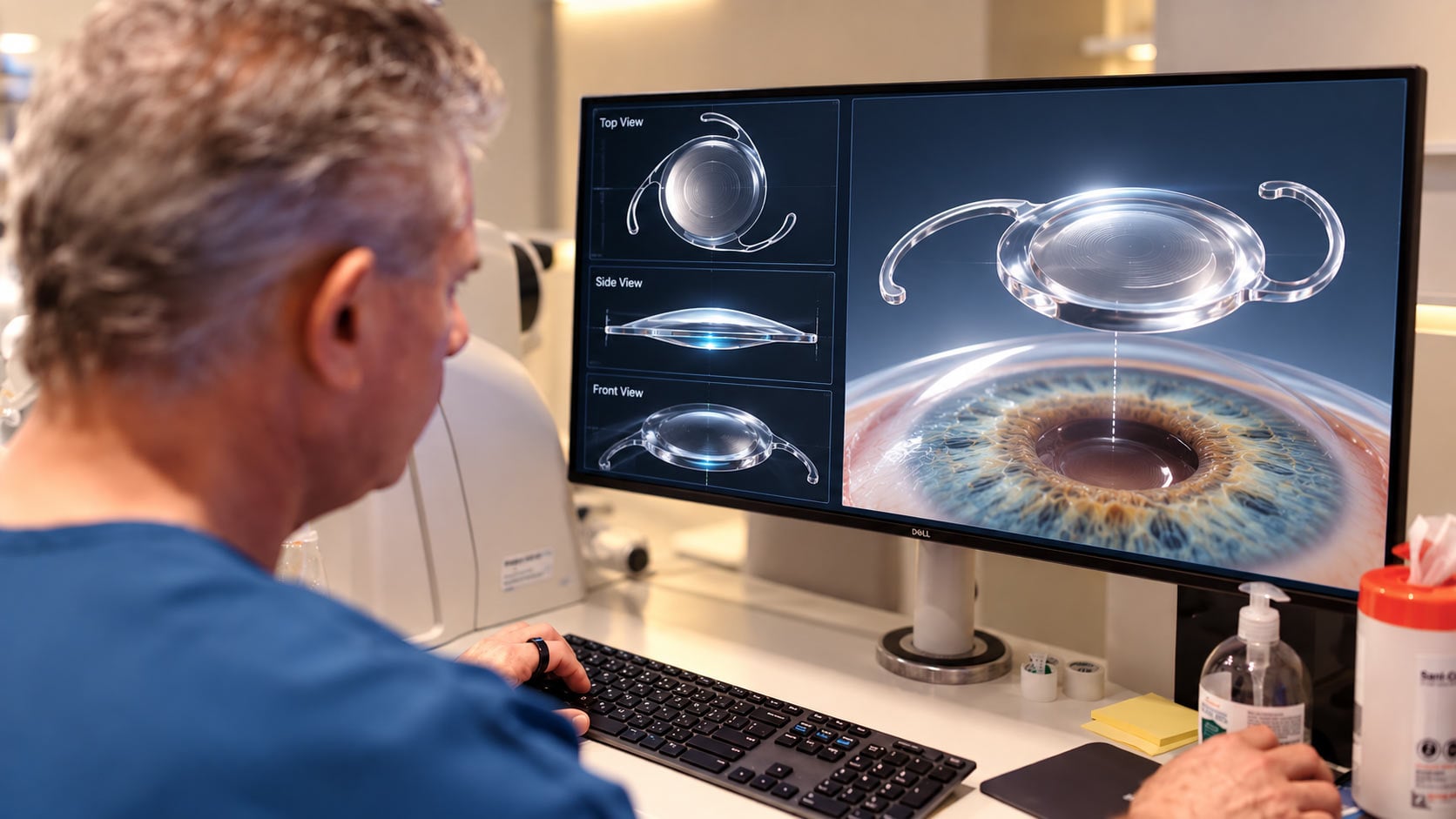
The procedure, optical correction and laser settings are selected and calibrated around the individual eye. There is no standard treatment profile applied to every patient with a similar prescription.
Follow the Result Over Time
Follow-up appointments allow the clinical team to monitor healing, confirm the visual result and provide support as the eyes settle. Outcomes can then contribute to the continued refinement of future treatment planning.
Why the Consultation Is So Important
A glasses prescription describes the optical correction needed to improve your vision, but it does not provide enough information to establish whether laser eye surgery is safe or which procedure would be most appropriate.
During your initial screening and clinical assessment, the team develops a much more complete picture of your eyes. This helps identify factors such as corneal irregularity, dry eye, early lens changes or other findings that may affect treatment.
A thorough assessment performs two equally important functions. It identifies patients who can be treated and protects those for whom surgery would not offer an appropriate balance of benefit and risk.
Advanced Technology Is Only Part of the Answer
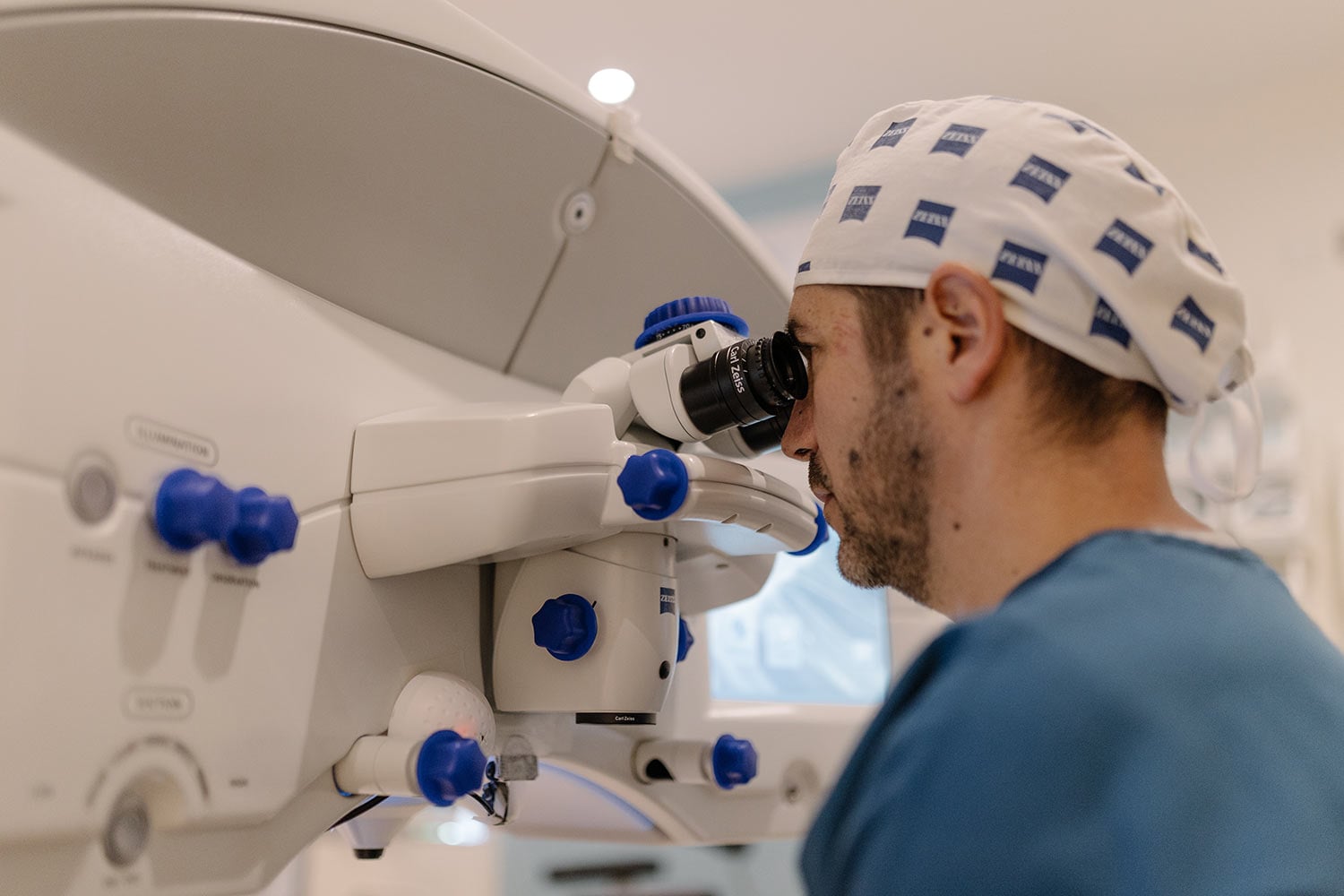
London Vision Clinic has access to specialist diagnostic and surgical systems, including the Artemis Insight 100™ very high-frequency ultrasound scanner. The Artemis can map the individual layers of the cornea with micron-level precision, providing information that cannot be obtained from a standard eye examination.
This degree of detail can be particularly valuable when assessing thinner corneas, previous surgery, unusual anatomy or higher prescriptions. You can explore the diagnostic and treatment systems used by the clinic on our laser eye surgery technology page.
However, technology does not make a treatment safe or personalised by itself. Its value depends on the experience required to interpret the data and understand how each measurement should influence the surgical plan.
The difference is not simply how much information is collected.
It is how that information changes the treatment decision.
A Treatment Plan Designed for Each Eye
Even the two eyes belonging to the same person are not necessarily identical. They can differ in prescription, corneal thickness, curvature, optical quality and visual dominance.
For this reason, the safest or most effective treatment may differ between patients who appear to have similar prescriptions. One person may be better suited to LASIK, while another may benefit from SMILE Pro, PRK/LASEK or a different vision correction approach.
The clinic’s complete range of laser eye surgery treatments allows the recommendation to begin with the patient rather than forcing every patient into a limited procedure offering.
Research That Feeds Back Into Patient Care
Personalisation also depends on understanding how treatments perform across many different prescriptions and types of eye.
London Vision Clinic maintains a dedicated research team that analyses clinical outcomes and publishes findings in peer-reviewed scientific literature. Reviewing results in this way helps the team identify patterns, refine treatment protocols and understand how small differences in anatomy or technique can affect an outcome.
This creates an important feedback loop: measurements inform treatment, outcomes are analysed, and those findings help improve future planning. Learn more about the clinic’s vision correction research.
Specialist Treatment for More Complex Prescriptions
Some patients are declined by clinics because their prescription falls outside that provider’s treatment range. This does not always mean that vision correction is impossible. It may mean that the case requires more specialised diagnostics, planning or surgical experience.
London Vision Clinic has developed specialist approaches for assessing and treating unusually high prescriptions. These cases are never treated simply because it is technically possible. The potential visual benefit must still justify the risks, and the anatomy of the eye must support a safe treatment plan.
The clinic explains its approach to complex prescriptions in its guide to High-Profile treatment.
Personalised Treatment for Reading Vision
Personalisation becomes particularly important when treating presbyopia, the age-related reduction in the eye’s ability to focus at close distances.
Instead of creating a simple distance eye and reading eye, PRESBYOND® Laser Blended Vision uses a carefully calculated blend of focus between the eyes. The treatment is adjusted according to factors including prescription, age, visual dominance and tolerance of the intended correction.
This allows the brain to combine the vision from both eyes across near, intermediate and distance ranges. However, suitability and expected outcomes must be established individually. Read more about PRESBYOND® Laser Blended Vision.
Care Does Not End on the Day of Surgery
Laser eye surgery recovery develops over time. Although many patients notice a significant improvement quickly, the ocular surface, corneal tissue and quality of vision continue to settle after treatment.
Planned follow-up care allows the clinical team to monitor healing, answer questions and respond if recovery does not progress as expected. The cost of treatment at London Vision Clinic includes the required follow-up appointments and clinical support rather than treating surgery as an isolated transaction.
Further information is available in our guide to long-term vision correction aftercare.
Experience Across the Entire Clinical Team
A successful patient journey involves much more than the surgeon performing the procedure. Optometrists, ophthalmic technicians, nurses, researchers and Patient Care Coordinators all contribute information and expertise at different stages.
The surgeon remains responsible for the clinical decision and treatment plan, but the quality of the wider team influences the accuracy, continuity and personal nature of the care you receive. Meet the London Vision Clinic surgical team.
Is London Vision Clinic Worth the Additional Cost?
That is ultimately a personal decision, but it should be based on more than a comparison of headline prices.
The value of treatment lies in the full clinical pathway: detailed screening, specialist technology, experienced interpretation, personalised surgical planning, research-led protocols and continuing care after the procedure.
London Vision Clinic deliberately allows the time required to investigate each eye properly and explain the available options. Not every patient will be advised to proceed, and not every patient will receive the same treatment recommendation.
Precision takes time. Personalisation takes expertise.
When the treatment concerns your eyesight, both are an important part of the investment.
To discuss your vision and the treatment options available, contact one of our Patient Care Coordinators. Alternatively, book a consultation at our Harley Street clinic.